
Distance matters more than decibels
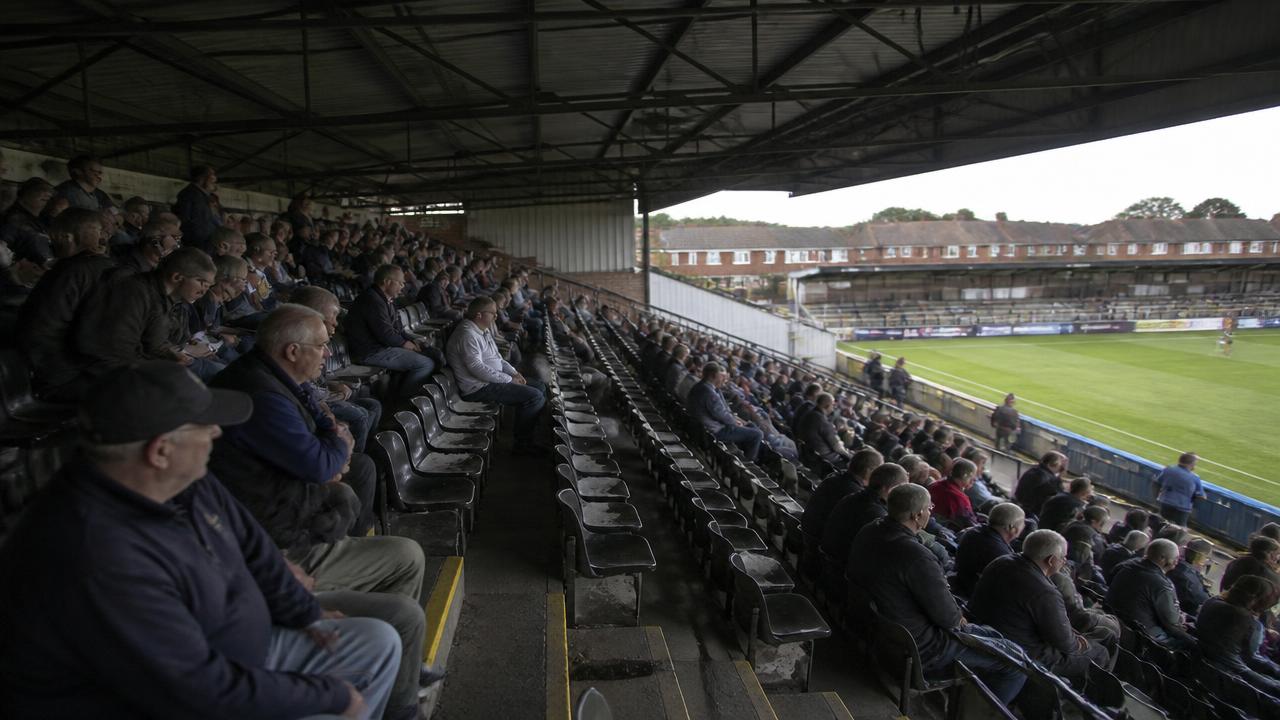
A common observation among players who move between clubs is that a smaller, tighter ground can feel more intimidating than a much larger one, even when the larger stadium technically holds more supporters. The explanation is mostly architectural: stands built close to the touchline trap and reflect sound back onto the pitch, while stands set further back, often to accommodate running tracks or wider concourses, let noise dissipate upward and outward before it reaches the players.
This is why some of English football's most famous atmospheres come from grounds that are, by modern standards, relatively modest in capacity. The steepness of a stand and its closeness to the pitch do more to shape perceived intensity than sheer crowd size, which is part of why redevelopment plans that increase capacity are so often accompanied by anxious debate about whether the new stadium will feel the same.
The trade-offs of modernisation
Expanding a stadium usually means building further back and higher, both for structural reasons and for sightlines, but that same expansion tends to work against the acoustic qualities that made the original ground distinctive. Clubs undertaking redevelopment are increasingly aware of this trade-off and have begun designing stands with steeper rakes and roof structures specifically intended to reflect sound downward, treating acoustics as a deliberate design goal rather than an accidental by-product of an older, cheaper style of construction.
Even with those design choices, there is a widely shared sense among supporters that atmosphere is not purely an engineering problem. A stand can be acoustically ideal and still feel flat if the crowd inside it is not engaged, and some of the loudest nights in English football have come from grounds with unremarkable acoustics but crowds whose intensity overwhelmed any structural limitation.
Why players notice the difference
Players consistently describe certain away grounds as uniquely difficult to perform in, not because of the level of opposition but because of how the noise seems to arrive from every direction at once in a tightly enclosed bowl. That sensory pressure is a real competitive factor, distinct from crowd size or reputation, and it is one reason clubs value a strong home atmosphere as more than simple entertainment for supporters.
It also explains why some newly built stadiums, despite superior facilities in almost every measurable way, take time to earn the same reputation as the grounds they replaced. Atmosphere is partly architecture and partly accumulated history, and while the first can be designed for immediately, the second only develops through years of matches that supporters remember.