
Fixtures that organise the calendar
In leagues dominated by a small number of clubs, the meetings between them become the structural events of the season. Coverage builds for days, squads are rotated with those dates in mind, and results elsewhere are discussed in terms of what they mean for the next big fixture. Whether that is healthy is debatable; that it happens is not.
For a newcomer this is useful. If you want to see Portuguese football at its most intense, you do not need to study the table, only the calendar.
The displays are part of the contest
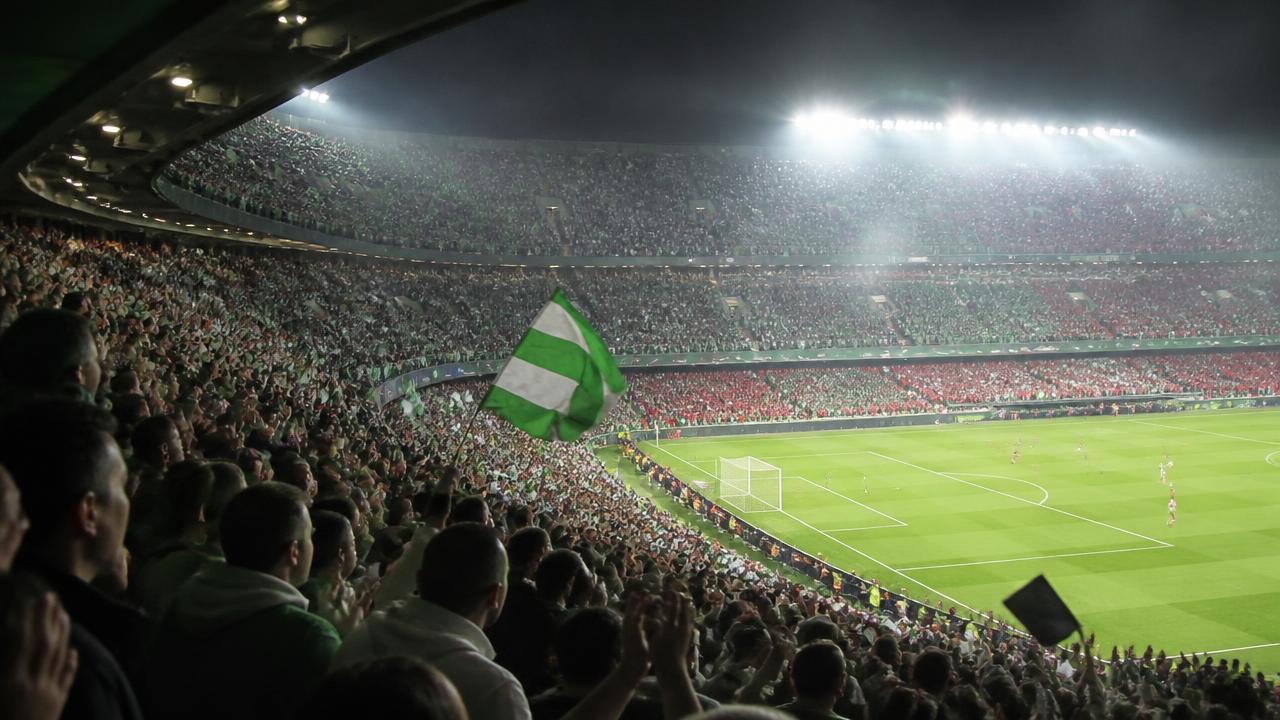
Organised supporter sections prepare for these matches the way squads do. Coordinated displays, banners aimed squarely at the opposition and choreography that begins before kick-off are all part of a competition that runs alongside the football, and the winner of that contest is argued about afterwards almost as seriously as the result.
There is a harder edge to some of it, and Portuguese football has had its share of incidents that clubs and authorities have had to answer for. Describing the spectacle honestly means acknowledging that as well.
Everyone else's season
For clubs outside that group, these dates are both an opportunity and a nuisance: full stadiums and a national audience, against opponents whose squads are deeper. A well-run smaller club treats those fixtures as a chance to show players to a wider market rather than as the season's measure.
That is where the more interesting football often is. The tactical ideas that travel out of Portugal frequently come from coaches who spent years working out how to trouble the biggest three with a fraction of the budget.
Why the fixture travels so well
A Portuguese derby is one of the few club occasions that needs no translation. The choreography in the stands, the whistling that starts before kick-off and the long build-up in the city during the day all communicate stakes to someone who has never followed the league, which is a large part of why these matches are the entry point for most foreign viewers.
That accessibility has a cost worth naming. Because the derbies dominate attention, the rest of a competitive Portuguese season is under-watched, and clubs outside the biggest three are judged almost entirely on how they perform in two or three fixtures a year rather than on the football they play in the other thirty.