
The story everyone tells
Write about Portuguese football and the conversation goes straight to sales: players arrive young, leave expensive, and the clubs balance their books. That is real, and it is also the least interesting part, because plenty of leagues sell players and very few produce a steady stream of coaches whose ideas end up being copied elsewhere.
The export of methods is harder to see because it does not appear in a fee, but it shows up whenever a squad in another country starts defending in a shape that was being taught in Portugal five years earlier.
Why the coaching culture is different
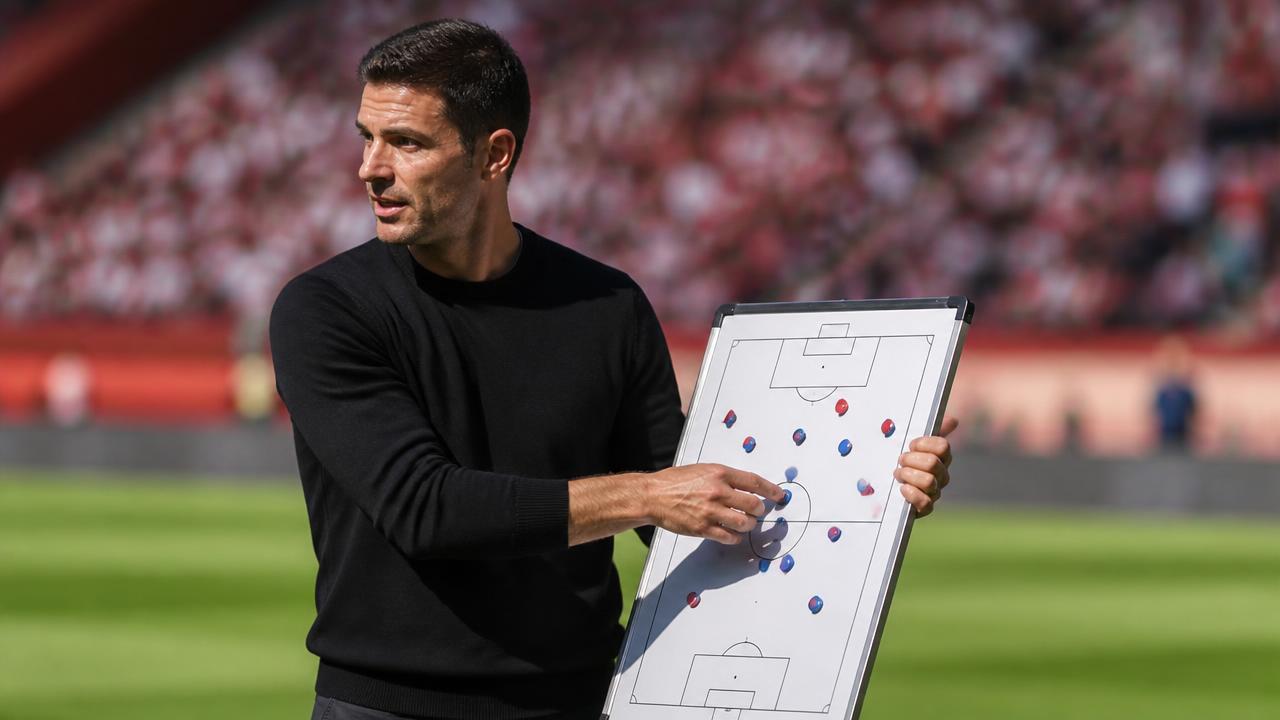
Coach education in Portugal has long treated tactics as a subject to be studied and argued about rather than absorbed by osmosis, and the debate is public: analysis is detailed, disagreement is technical, and a young coach is expected to be able to explain his ideas. Clubs then hire on that basis, which means a coach can get a serious job in his thirties on the strength of how he works rather than how long he played.
The result is a league where the interesting questions on a given weekend are frequently about method: how a side is defending its box, how it presses a goal kick, whether a back three is being used to attack or to hide.
What follows from that
If you accept that framing, the way to watch Portuguese football changes. You stop tracking which teenager will be sold next and start watching how a mid-table side sets up against the biggest clubs, because that is where the ideas are being tested under pressure.
It also suggests the league is underrated rather than merely useful. A division that keeps producing coaches is producing something that cannot be bought in a transfer window.