
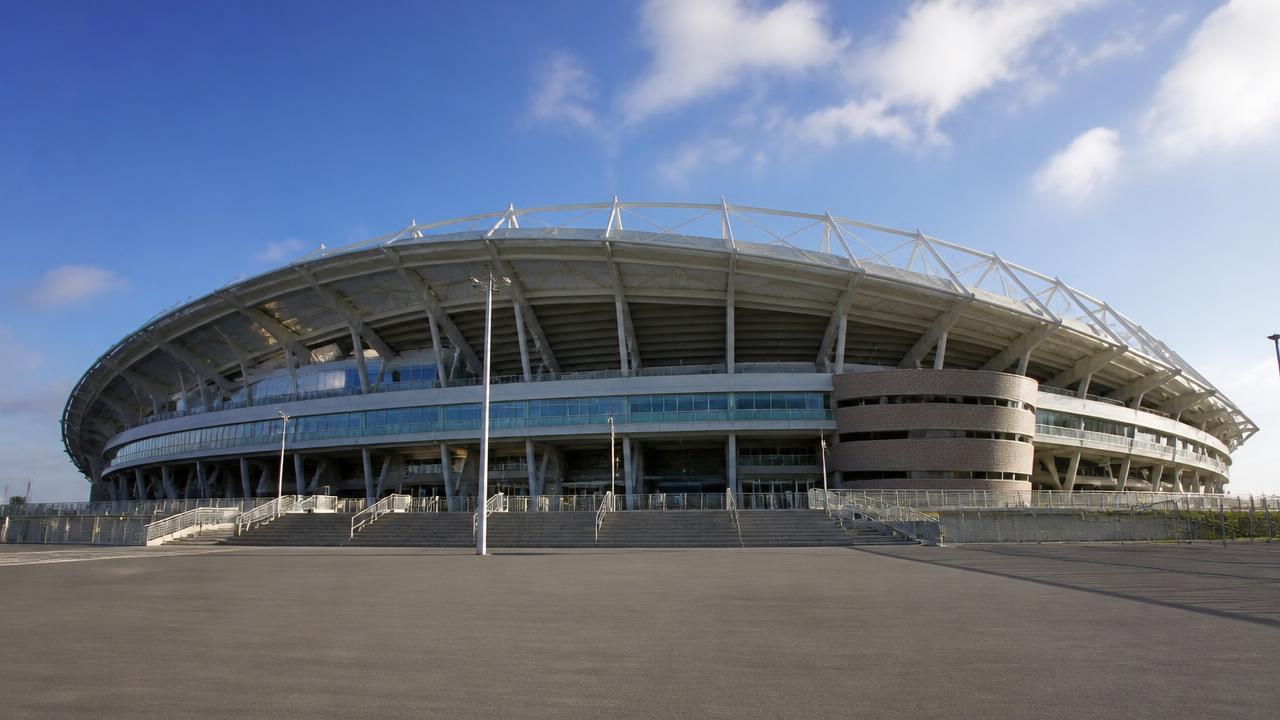
A different starting point to stadium ownership
Many of Italy's most storied football stadiums were originally built as municipal civic assets, sometimes constructed for entirely different purposes such as hosting an Olympic Games or a World Cup, and only later adapted for a resident football club's regular use. This origin shapes an ongoing relationship between many clubs and their host cities that differs meaningfully from a model where a club has always owned its own purpose-built ground outright, since the stadium in these cases legally belongs to the municipality rather than the football club that plays inside it.
This arrangement has practical consequences well beyond symbolism. A club renting a municipal stadium typically has limited control over renovation decisions, restricted ability to develop the surrounding site commercially, and a share of certain revenues that a club owning its own stadium outright would retain entirely for itself.
What ownership actually unlocks
Clubs that do own their stadiums gain access to revenue streams that extend well beyond the days football is actually played there. A club-owned venue can host concerts, conferences, museum tours and hospitality events throughout the year, generating income that a club renting a municipal ground for matchdays alone simply cannot access in the same way. This difference in revenue potential has become an increasingly significant factor in a football economy where matchday income alone is no longer sufficient to compete at the highest financial level.
Beyond direct revenue, stadium ownership also grants a club much greater control over the surrounding fan experience, allowing redevelopment of concourses, hospitality areas and transport links in ways tailored specifically to football supporters rather than the broader civic uses a municipal stadium must also accommodate.
Why redevelopment remains genuinely complicated
Despite the clear financial logic in favour of stadium ownership, redevelopment or relocation projects in Italy have often faced considerable civic, bureaucratic and logistical complexity, given that many existing stadiums sit on historically significant municipal land with multiple stakeholders beyond the football club itself holding a legitimate interest in any changes. Negotiating that complexity can take years, and plans are frequently delayed or substantially altered from their original conception.
This slow pace should not be mistaken for a lack of ambition on the part of clubs pursuing these projects. It reflects a genuinely more complicated starting position than clubs in footballing cultures where private stadium ownership has historically been more straightforward to establish, and it is one of the more significant structural factors shaping the competitive and financial landscape of Italian football over the coming years.