Motorsport
NASCAR history
How the competition came to look the way it does.
Ovals, road courses, a points playoff
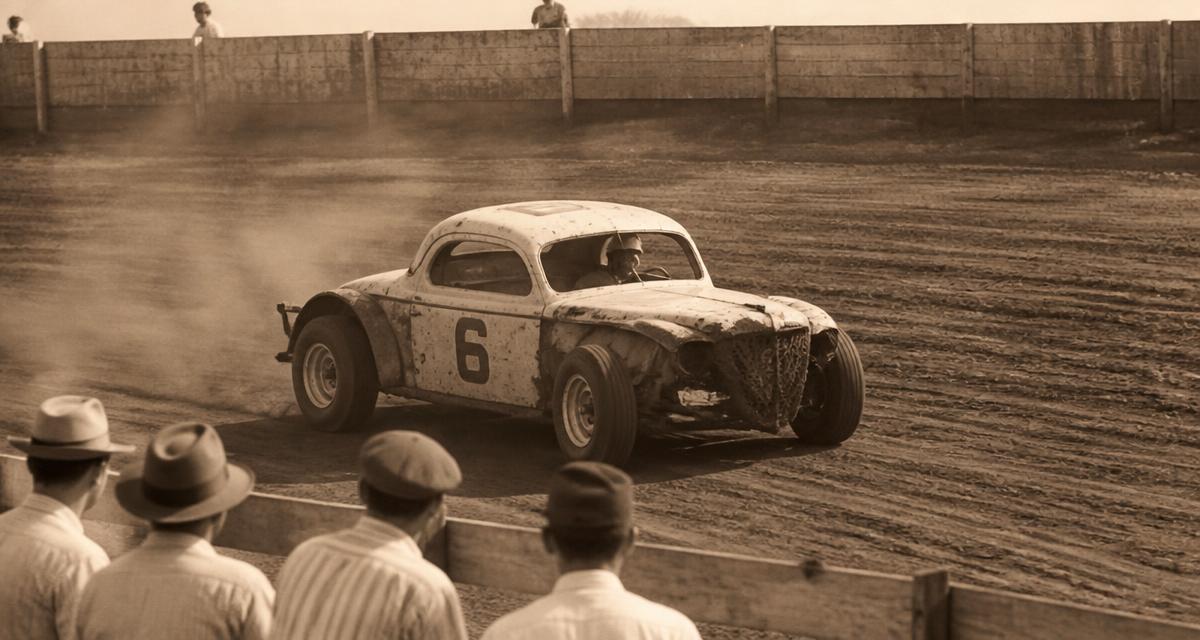
Stock car racing grew out of ordinary road cars raced on dirt ovals and beach courses in the American south east, where the appeal was that the machinery looked like something a spectator could own.
Organising that scrappy scene into one championship meant standardising rules, sanctioning tracks and paying declared prize money, which is what turned a circuit of local events into a professional sport.
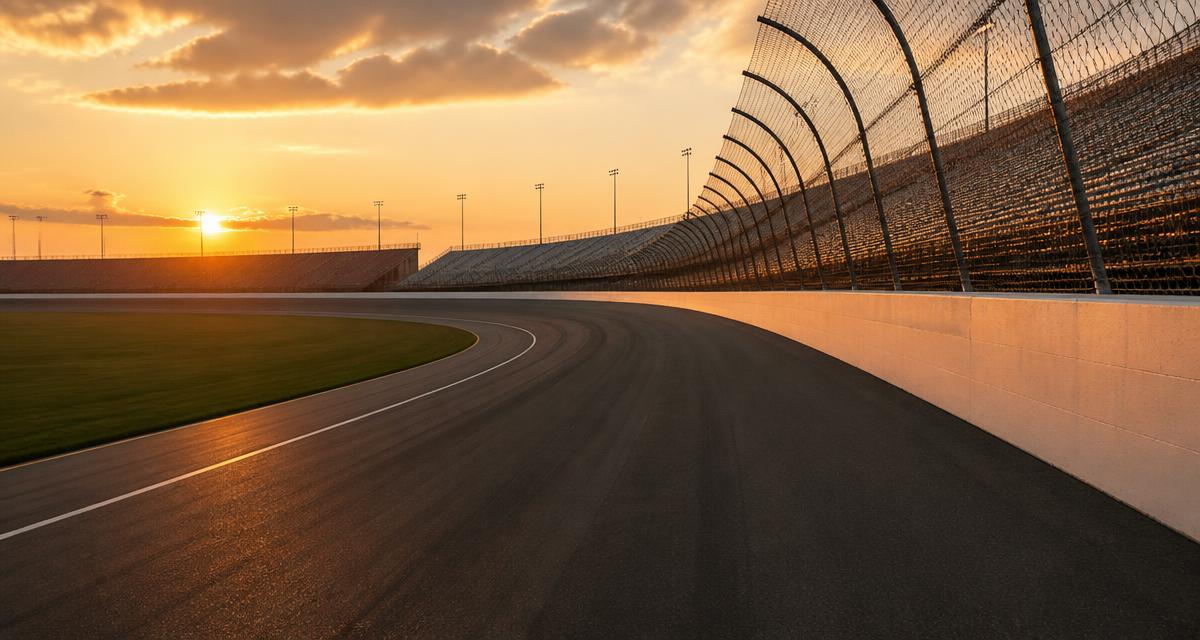
Purpose-built superspeedways changed the racing entirely. Sustained high speed made the air the dominant force, and the pack racing that spectators associate with the sport is a direct consequence of that.
National television coverage expanded the audience far beyond its regional base, and sponsorship reshaped the cars into the moving billboards they remain.
Serious crashes forced a safety reckoning. Energy-absorbing barriers, stronger cockpits, head and neck restraints and later a new car built around driver protection came out of that period, and it is the clearest measurable progress the sport has made.
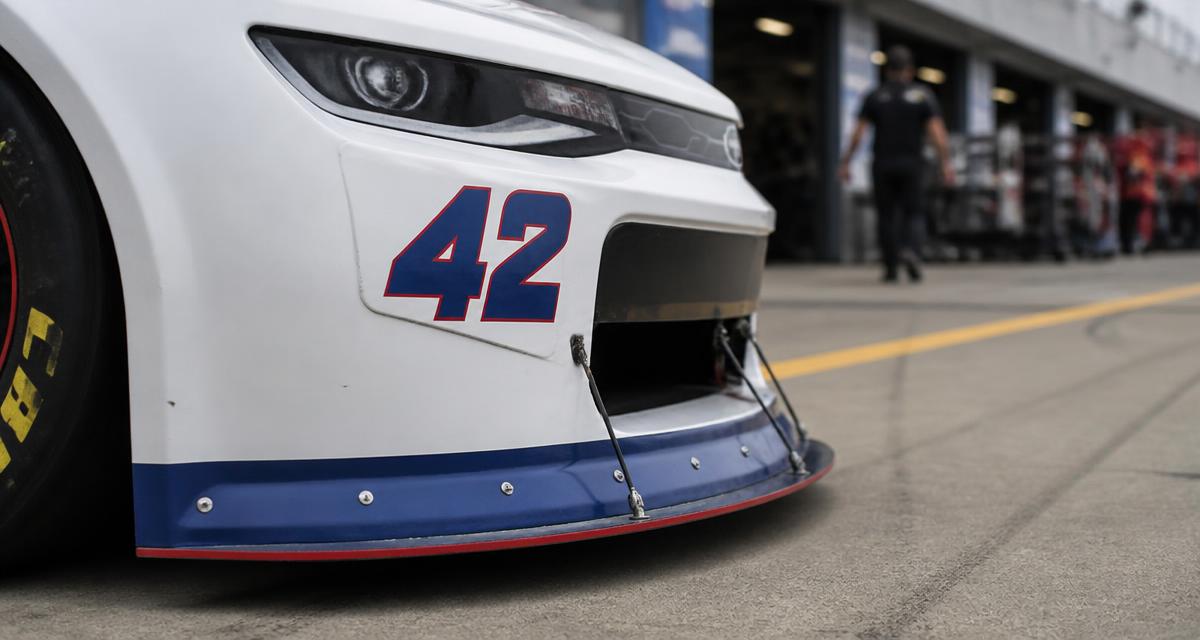
The competitive formula tightened over time. With cars built to a close specification, the differentiating work moved to setup, pit execution and strategy rather than radically different machinery.
The championship format has been revised repeatedly, moving away from a season-long points total towards stage scoring and an elimination playoff that guarantees a close finish while giving the regular season less weight.
Season-by-season champions, records and historical tables need a licensed historical data source. Until we have one, this page carries written history only.