Perfection was never on the table
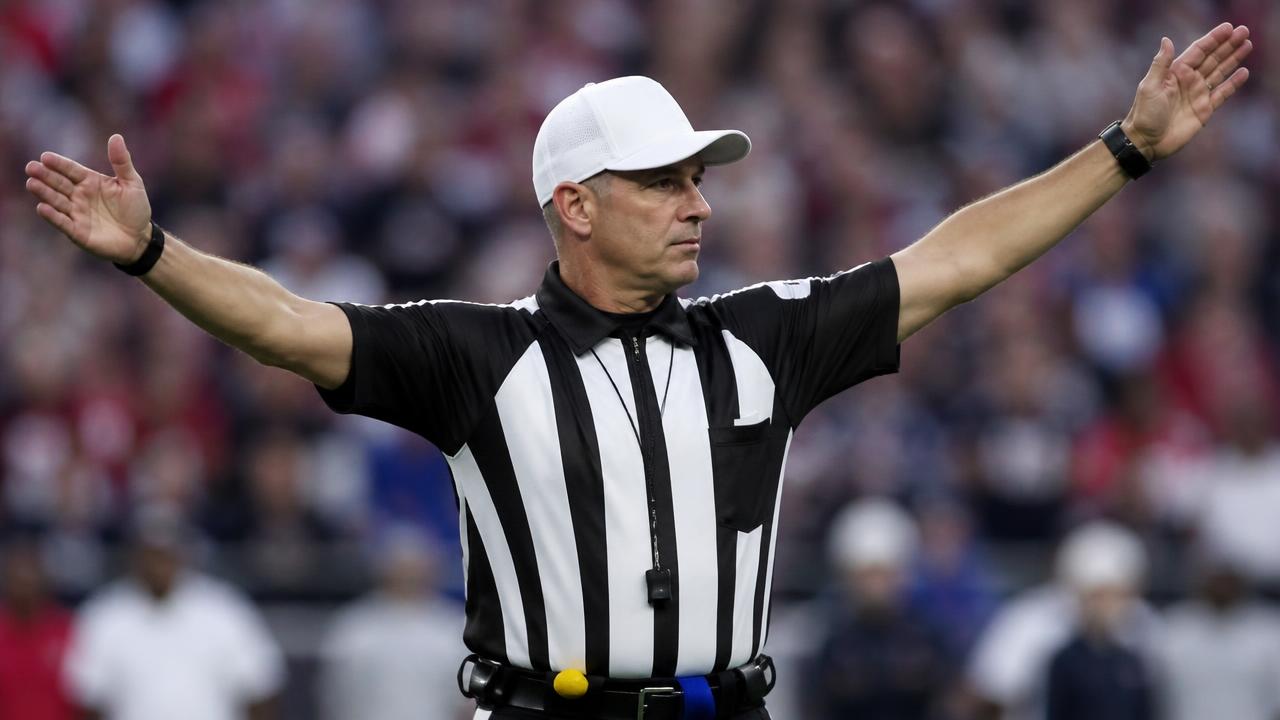
Judging contact between large, fast-moving players in real time, from a single angle, at full speed, is a task with an error rate built in no matter how experienced the official. Demanding zero mistakes sets a standard that has never been met by any officiating crew in any sport, and holding a single game to it says more about frustration than about a realistic fix.
What is achievable, and what actually matters competitively, is applying the same standard to both teams throughout the same game. A holding call that would be flagged in the first quarter and ignored in the fourth is a bigger problem than a single correct-but-borderline call, because it removes the ability of either team to adjust.
Consistency is what teams can plan around
Coaches do not expect officials to see everything; they expect a threshold that holds steady, so that a physical style of play that draws flags in the first half draws the same flags in the second. When that threshold shifts mid-game, both sidelines lose the ability to make an informed adjustment, which is a more corrosive outcome than any individual missed call.
This is also why post-game complaints about officiating are often aimed at the wrong target. A single close call rarely decides a result on its own; a standard that moved over four quarters can genuinely shape one, and the two get treated as interchangeable in the moment far too often.
What review can and cannot fix
Instant replay narrows the error rate on a specific, limited category of calls where video evidence is decisive, which is valuable and worth the pause it costs. It does not and cannot resolve judgement calls like pass interference or holding, where reasonable observers can watch the same replay and disagree, because the rule itself requires a judgement rather than a fact.
Understanding that distinction is the difference between a fair complaint and an unfair one. Arena's NFL rules guide sets out exactly which calls are reviewable and why the line is drawn where it is.