Some flags are a calculated cost
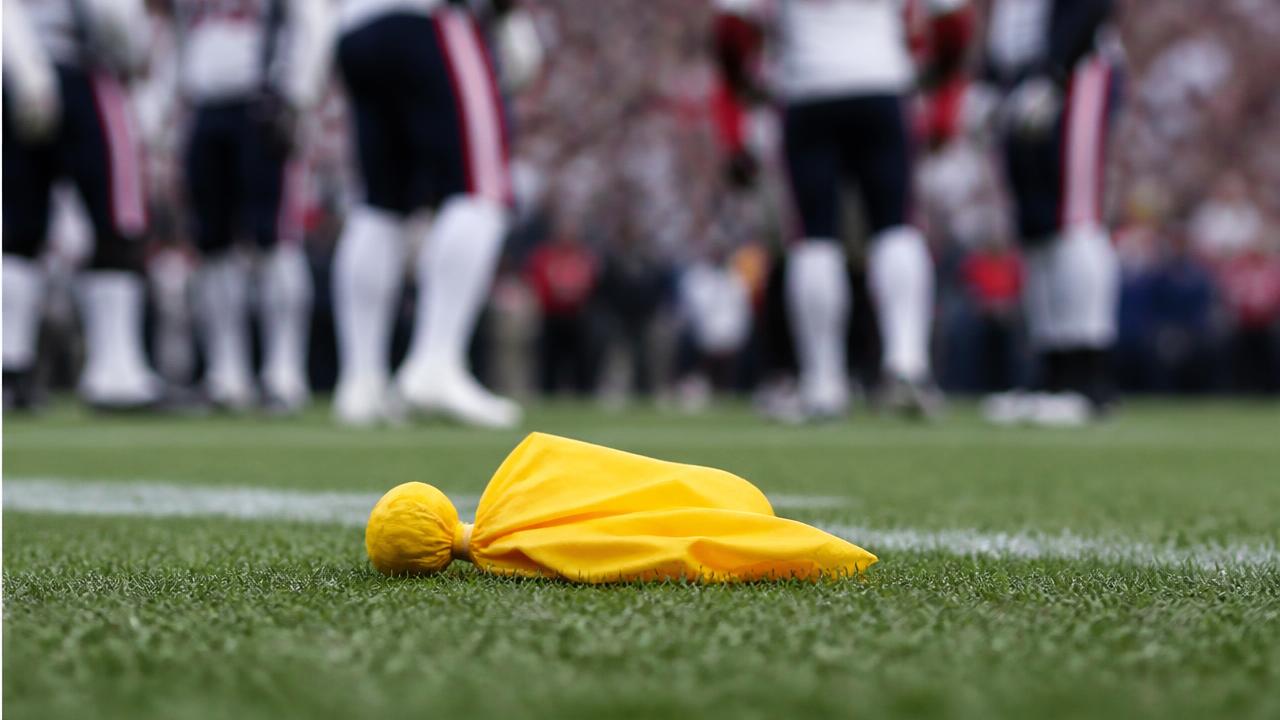
A defensive back giving up a step to a faster receiver downfield has a choice: allow the catch or grab a handful of jersey and accept the penalty. Against a team that scores efficiently from big plays, conceding a shorter penalty yardage in exchange for preventing a long completion is not a mistake — it is a trade a coaching staff may have explicitly instructed.
The same logic applies to a lineman who holds rather than allow a clean sack on a critical third down. These are not the reckless errors they are sometimes described as; they are a cost accepted in exchange for avoiding a worse outcome, and treating every flag as evidence of sloppiness misses that some are strategy in disguise.
Clusters reveal scheme
A cornerback who draws pass interference flags repeatedly against a specific type of route is often being schemed into disadvantageous matchups deliberately by the opposing offence, which is targeting a known technical habit. The penalty total attached to his name says as much about the game plan aimed at him as it does about his technique.
Similarly, an offensive line that draws frequent false starts on the road is revealing something about crowd noise and communication rather than raw indiscipline, and a false-start pattern that appears only at home points toward a snap-count timing issue worth fixing in practice rather than a character problem.
Watching penalties as data
Treated this way, a penalty is closer to a data point than a verdict: it tells you where a defence is being stressed, where an offensive line is struggling with protection calls, or where a team has decided a short-term cost is worth paying. That is a more interesting way to watch than simply totting up flags and calling the game sloppy.
It does not excuse penalties that genuinely cost a team a drive or a game — those remain real problems. It simply means asking why before assuming carelessness. Arena's NFL rules guide lists the penalties themselves in full if the vocabulary is unfamiliar.