
Invisible by design
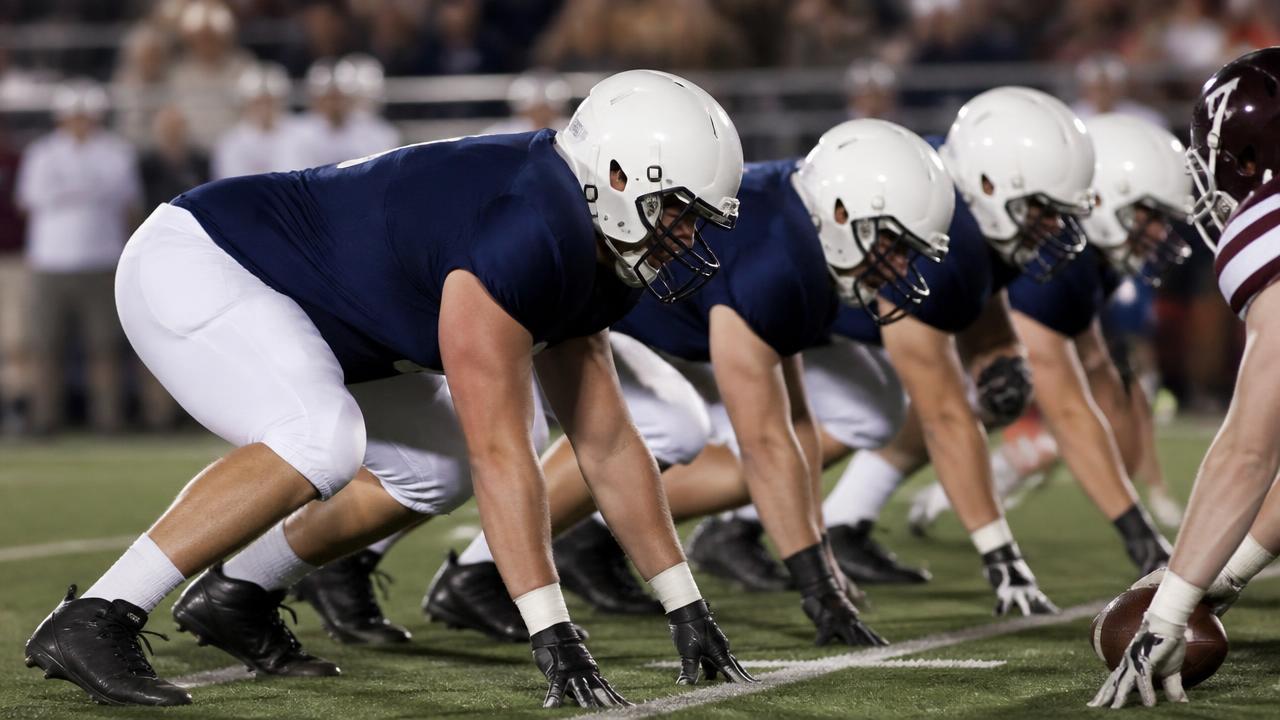
Broadcast cameras are built to follow the football, which means the five players whose job finishes the moment the ball leaves the pocket are rarely the picture anyone sees. A lineman can have a flawless afternoon and appear on screen only when he is beaten, which is a strange incentive for a television audience to absorb about a position.
The result is a gap between what decides games and what gets discussed after them. A blown protection that ends a drive gets replayed; the eleven previous snaps where the same players held up perfectly do not, because nothing dramatic happened on them. Good line play looks like nothing happening.
The skill is communication, not just size
Defenses disguise pressure constantly, shifting fronts and stunting rushers into gaps a split second before the snap. Blocking that correctly requires five players agreeing, in real time and often without a huddle, on who is responsible for whom. Strength matters, but a lineman who cannot communicate the right call under a hostile crowd noise will be exposed regardless of how strong he is.
That is also why continuity on the offensive line is valued so highly by coaching staffs. Five new starters who have never played together are relearning a shared language at professional speed, and the early results of that process are rarely pretty regardless of individual talent.
Everyone else's reputation rides on it
A quarterback given time repeatedly looks composed; the same quarterback under constant pressure looks rattled, and the difference between those two players is often five names that never appear in the box score. Judging a passer fairly means asking how much time he actually had, which is a harder question than the highlight package usually bothers to answer.
Next time a drive stalls, look at the line before looking at the skill positions. Arena's NFL positions guide breaks down each spot along it and what it is actually being asked to do on a given play.