Olympics
Olympics history
How the competition came to look the way it does.
Many sports, one calendar
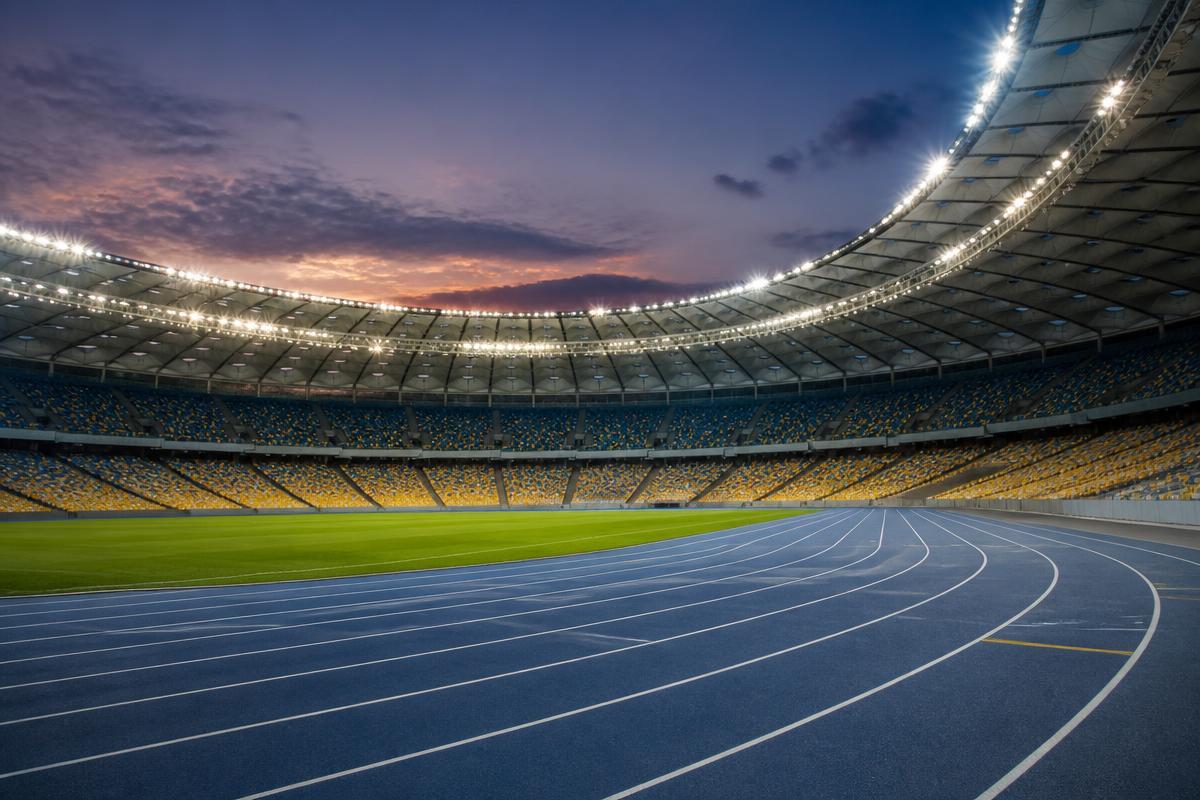
The modern Games were revived in the late nineteenth century and have grown in size at nearly every edition, from a small gathering of mostly European competitors into an event that fills a city for a fortnight.
The programme has been changed continually as sports are added and removed, which is why no two editions carry exactly the same list of events and why the phrase 'Olympic sport' has never meant a fixed set.
The Winter Games were separated out to accommodate sports that need snow and ice, and eventually moved onto their own two-year offset so the two events no longer share a year.
Amateurism was written into the movement's founding rules and then dismantled over decades, ending with professional athletes competing openly in most sports.
Women's events were added sport by sport rather than all at once, and the drive toward an even number of men's and women's events has shaped recent programme decisions more than any other single factor.
Boycotts, cancelled editions and political disputes have shaped several Games as much as the competition did, and the movement's rules on national representation were rewritten in response.
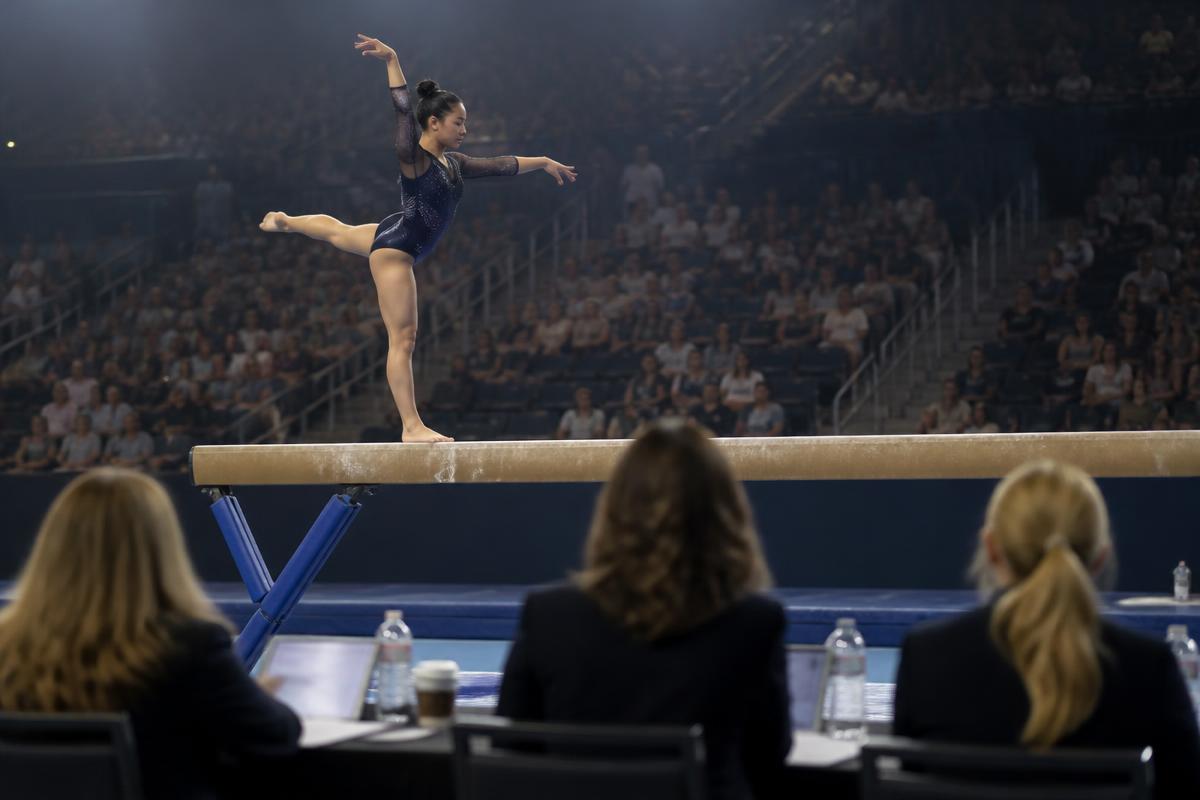
Scoring, judging and anti-doping systems have all been rewritten after disputes: judged sports moved to open-ended difficulty and execution scoring, and testing moved to an independent framework outside the individual federations.
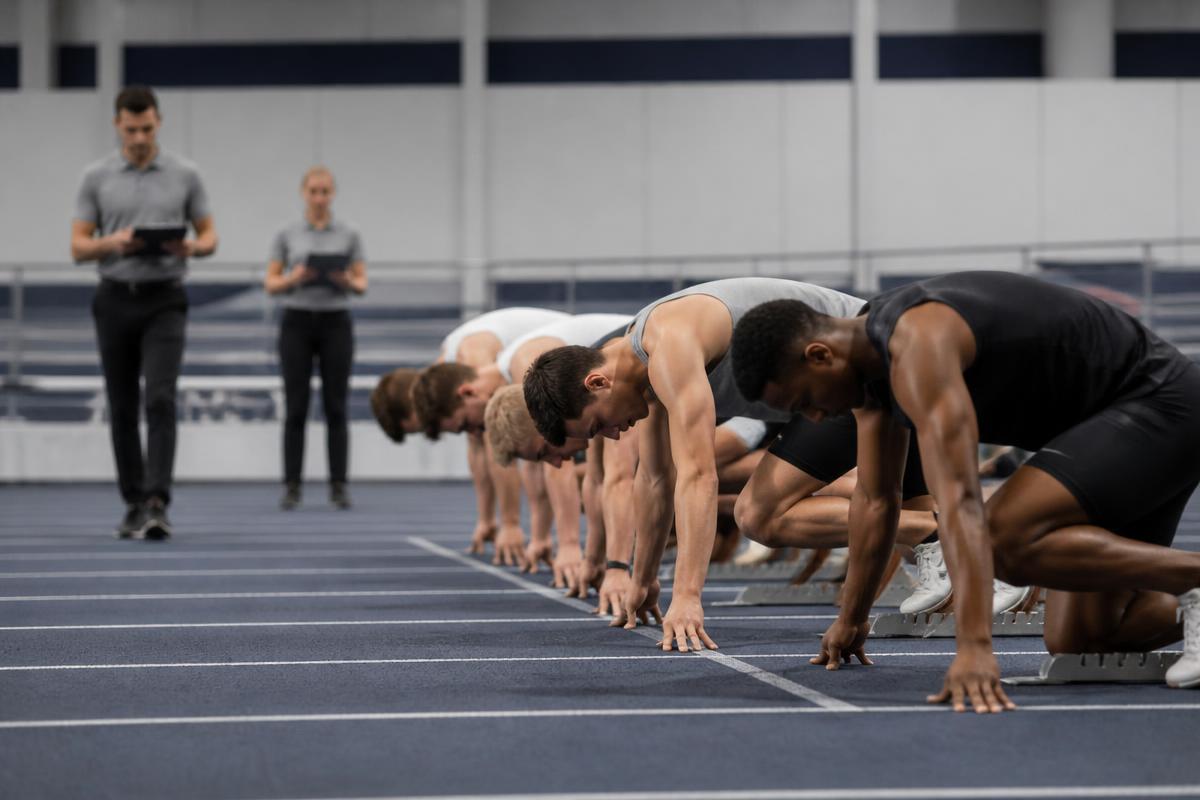
Timing technology reshaped the measured sports, from hand-held stopwatches to electronic touchpads and thousandth-of-a-second image analysis, and with it what counts as a verified result.
Season-by-season champions, records and historical tables need a licensed historical data source. Until we have one, this page carries written history only.