
Not all positions are equal
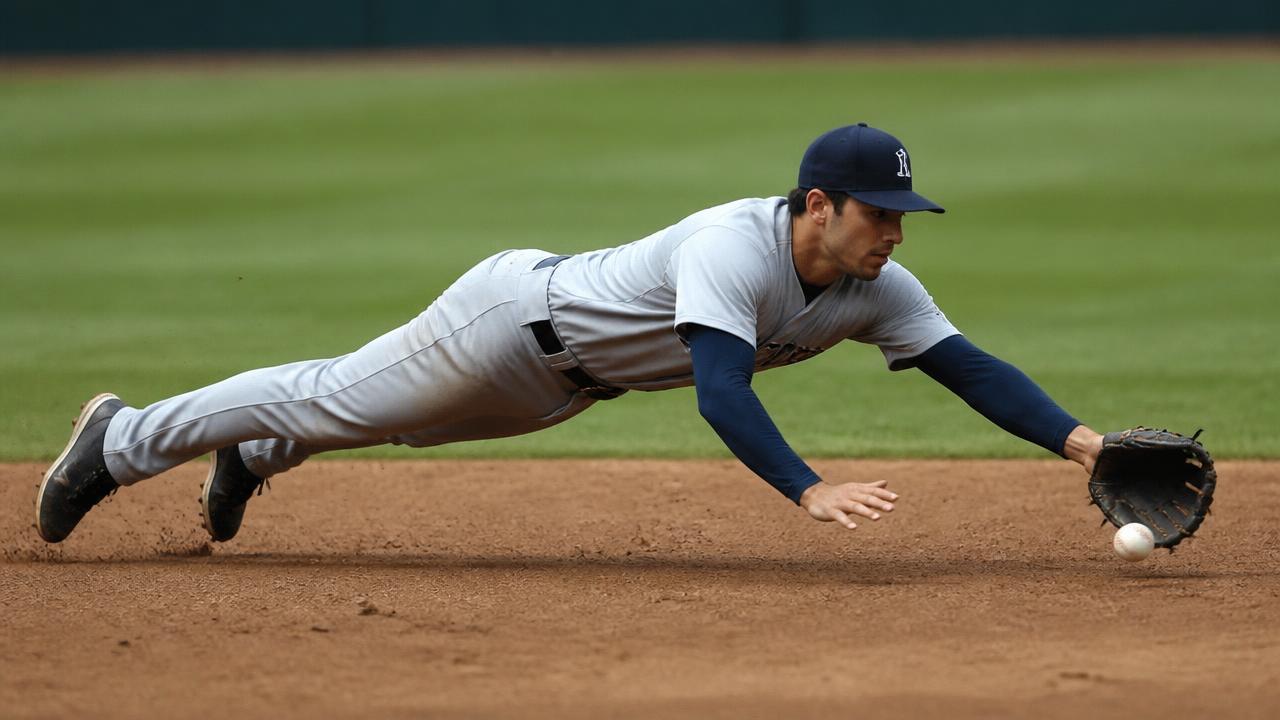
Some fielding positions require reflexes, range and arm strength that only a small share of athletes can supply; others prioritise reliable hands and positioning over raw athleticism. That difference is rarely stated outright, but it governs an enormous amount of roster planning, because a team needs its most defensively demanding spots filled by players who can actually meet the demand.
This creates an informal ranking, sometimes called the defensive spectrum, that runs from positions requiring the most defensive ability to those requiring the least. It is not written into any rulebook, but every front office operates as though it is real, because it is.
The direction of movement
Players overwhelmingly move down the spectrum as careers progress rather than up it. A player loses range and arm strength gradually as he ages, and shifting him to a less demanding position is usually how a team keeps his bat in the lineup once his glove can no longer handle a tougher assignment.
The reverse almost never happens, and that asymmetry tells you the spectrum is tracking something real about physical demand rather than an arbitrary convention. Nobody moves a player to a harder defensive position as compensation for anything.
Why it explains so much
Understanding the spectrum makes a lot of otherwise puzzling roster decisions legible: why a team tolerates a weaker bat at a demanding position, why an ageing star is asked to change positions before his production has actually declined, why certain prospects are given every chance to stay at a difficult spot before anyone gives up on it.
It is one of those ideas that, once seen, is hard to unsee in a broadcast. Arena's positions guide lays out where each role sits and what it specifically demands.