A shell is a concession, not a wall
No defence can cover all thirty-plus yards of width and forty-plus yards of depth with equal strength on every play. Every coverage is therefore a decision about where to be strong and where to accept risk, and the name of the shell is simply a label for where that risk sits. Learning coverages is learning a short list of trade-offs, not a code.
Cover two puts two safeties deep, splitting the field in half and leaving the middle behind the linebackers more open. Cover three puts three defenders deep, covering more width but leaving each deep defender responsible for more ground. Cover one leaves a single deep safety and asks the cornerbacks to win their matchups alone. Each is right against certain formations and wrong against others.
The number describes depth, not headcount
A common confusion is treating the number in a coverage's name as a player count. It refers to how many defenders are deep, not how many are on the field. Cover three does not mean three defenders are involved; it means three are positioned to prevent anything from getting behind them, while everyone else is working underneath.
That underneath group is where most of a modern passing game actually operates, which is why coverage is described as much by what happens short as by what happens deep. A shell built to prevent big plays can still be picked apart in small pieces if the underneath defenders are not disciplined.
Reading the shell as a viewer
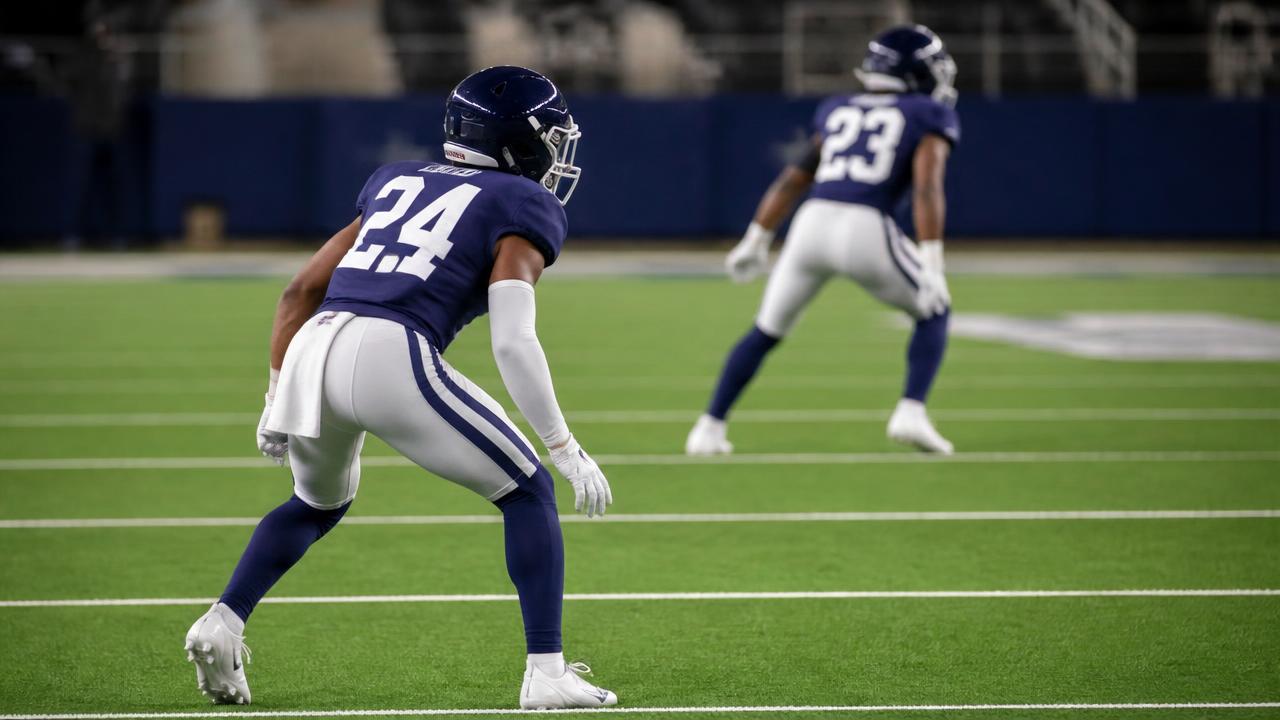
The fastest way to start reading a defence is to count the safeties before the snap. Two deep safeties suggests something like cover two or a variant of it; one deep safety suggests cover one or cover three, with the difference showing up in how the cornerbacks are positioned. It will not be precise every time, but it turns a chaotic picture into a testable guess.
From there, watch where the ball actually goes. A quarterback attacking the middle of the field against two deep safeties, or the sideline against a single deep safety, is exploiting the exact gap the shell conceded. Arena's NFL positions guide is a useful companion for matching these shapes to the players executing them.