
Boxing
Boxing analysis
SportsArena365's own tactical and structural analysis of the competition.
Twelve rounds, four belts
SportsArena365's own Boxing analysis: arguments about how the competition works and why teams do what they do. These pieces contain no scores, season statistics or injury claims, because we hold no licence for that data and will not invent it.
Scoring · 3 min read
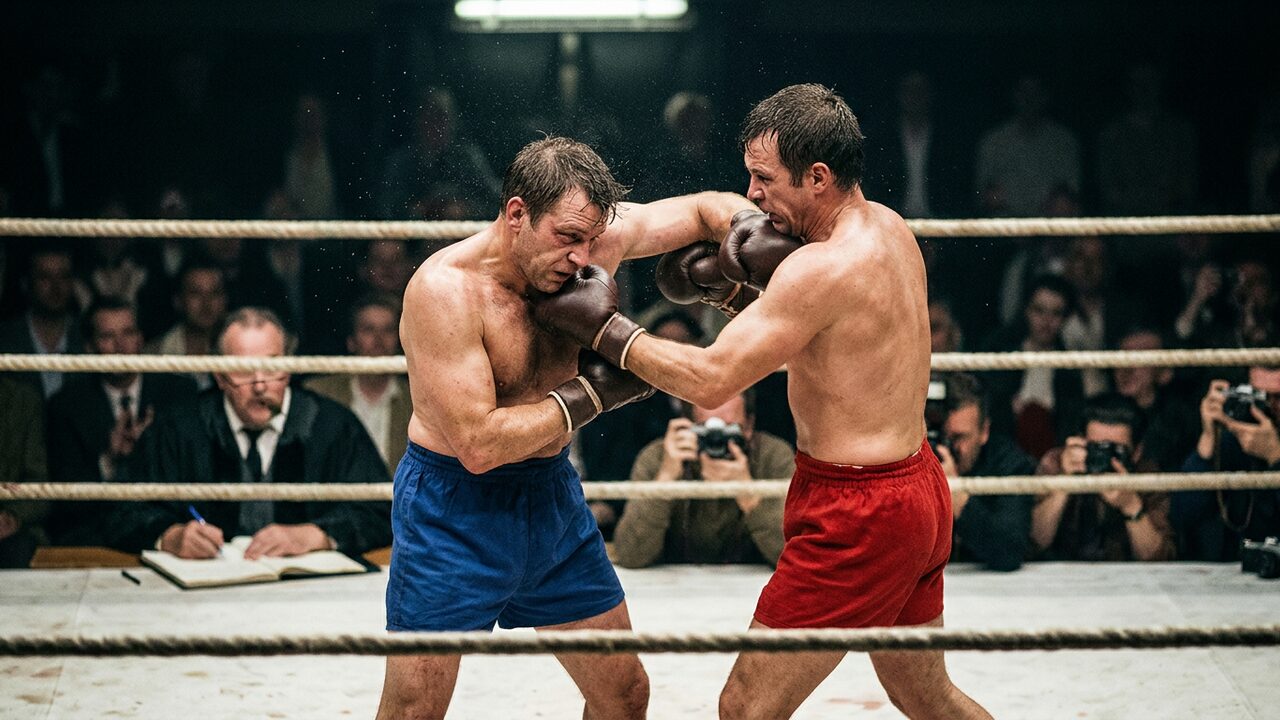
Why the ten-point must system makes so many rounds close
Almost every round in boxing is scored ten to nine, which flattens genuine differences in dominance into a single narrow margin.
Technique · 3 min read
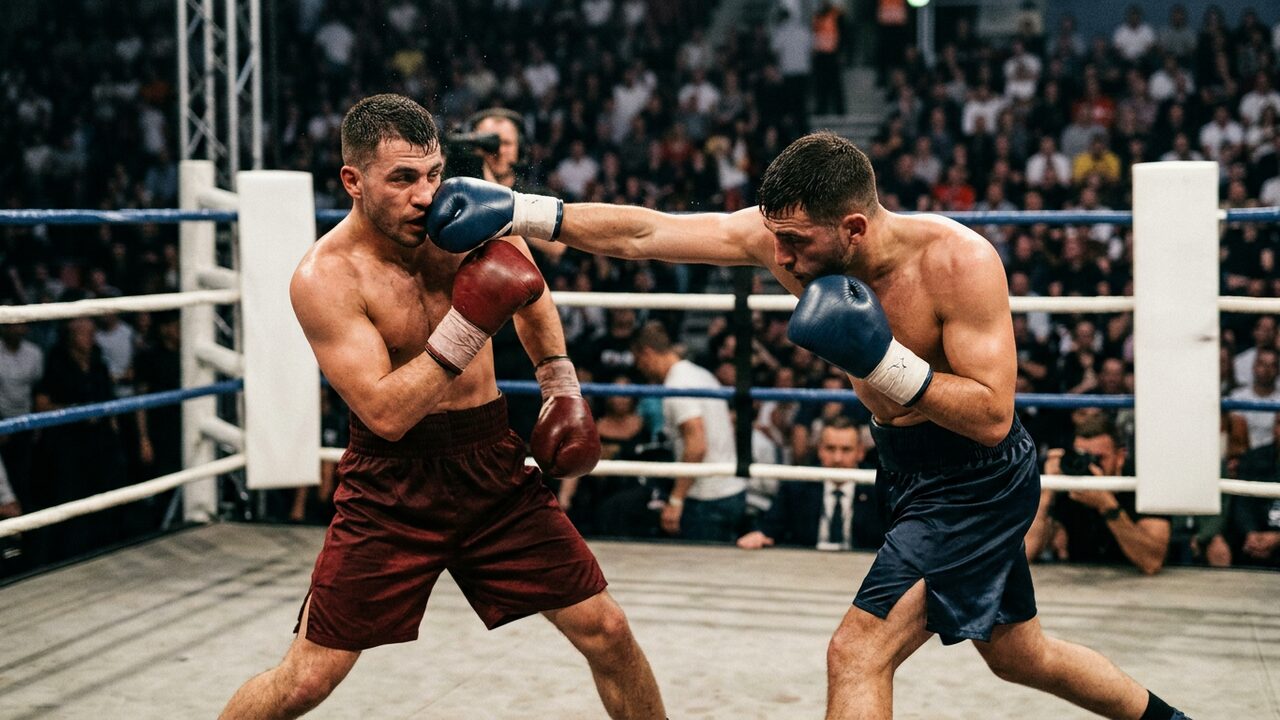
Why the jab matters more for control than for scoring
The jab is usually described as the easiest punch to score, but its real value is the distance and rhythm it lets a fighter dictate.
Technique · 3 min read
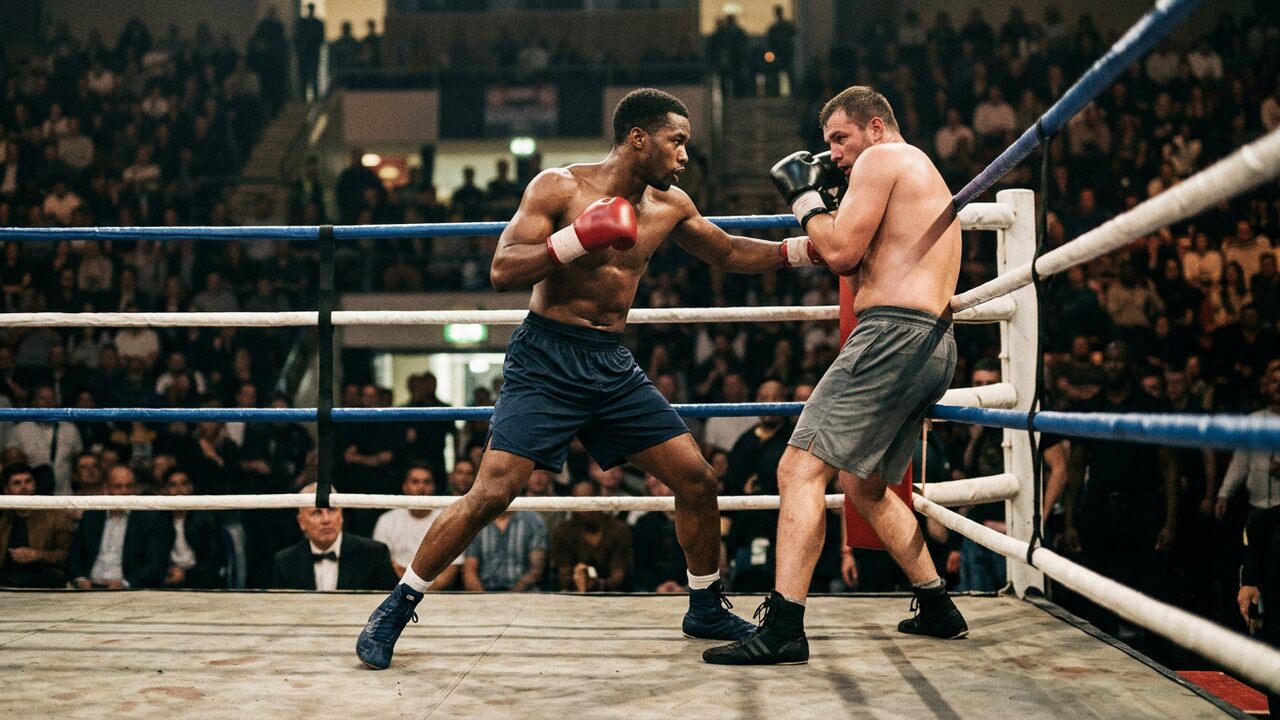
Why footwork is really about controlling ring geometry
A boxing ring is a finite square, and much of what separates elite footwork from ordinary footwork is how well a fighter manages the space it allows.
Styles · 3 min read
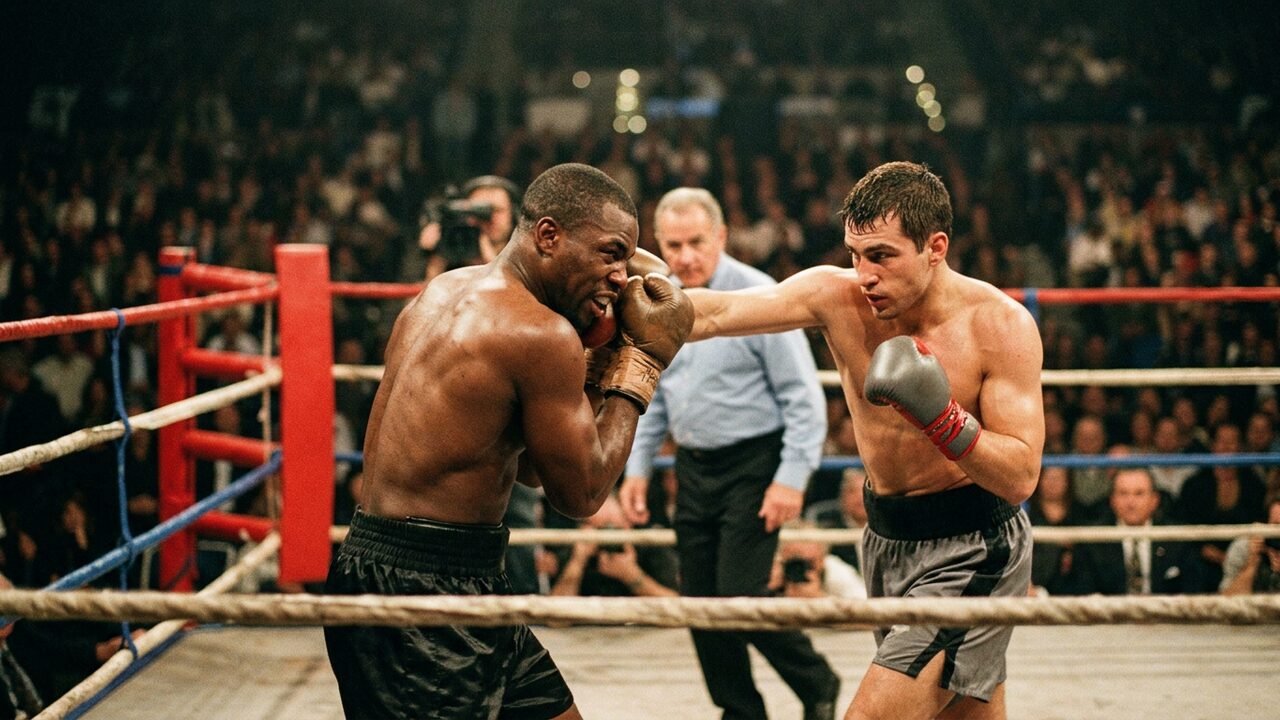
The style clash that explains why counterpunchers frustrate pressure fighters
Pressure fighting relies on a predictable rhythm of advance, and counterpunchers are built specifically to punish that predictability.
Strategy · 3 min read
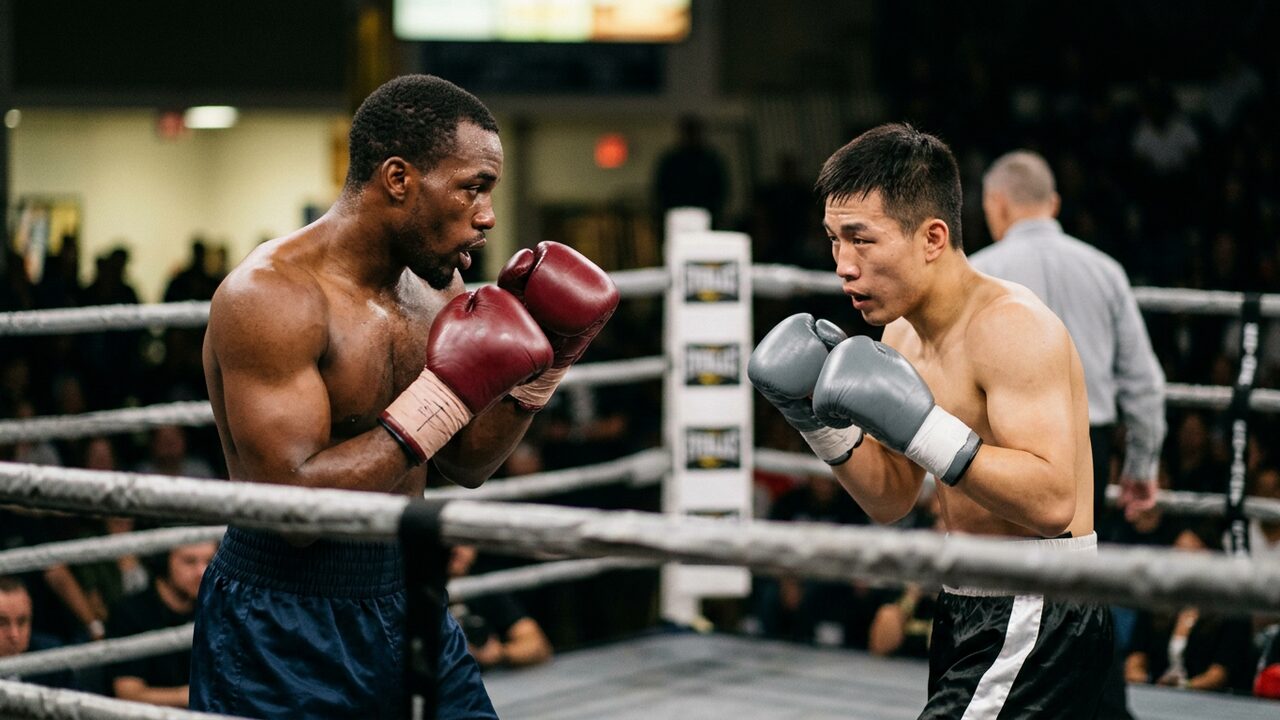
How the twelve-round distance shapes fight pacing
A championship fight's length changes what counts as a good strategy, rewarding fighters who plan for the whole distance rather than any single round.
Scoring · 3 min read
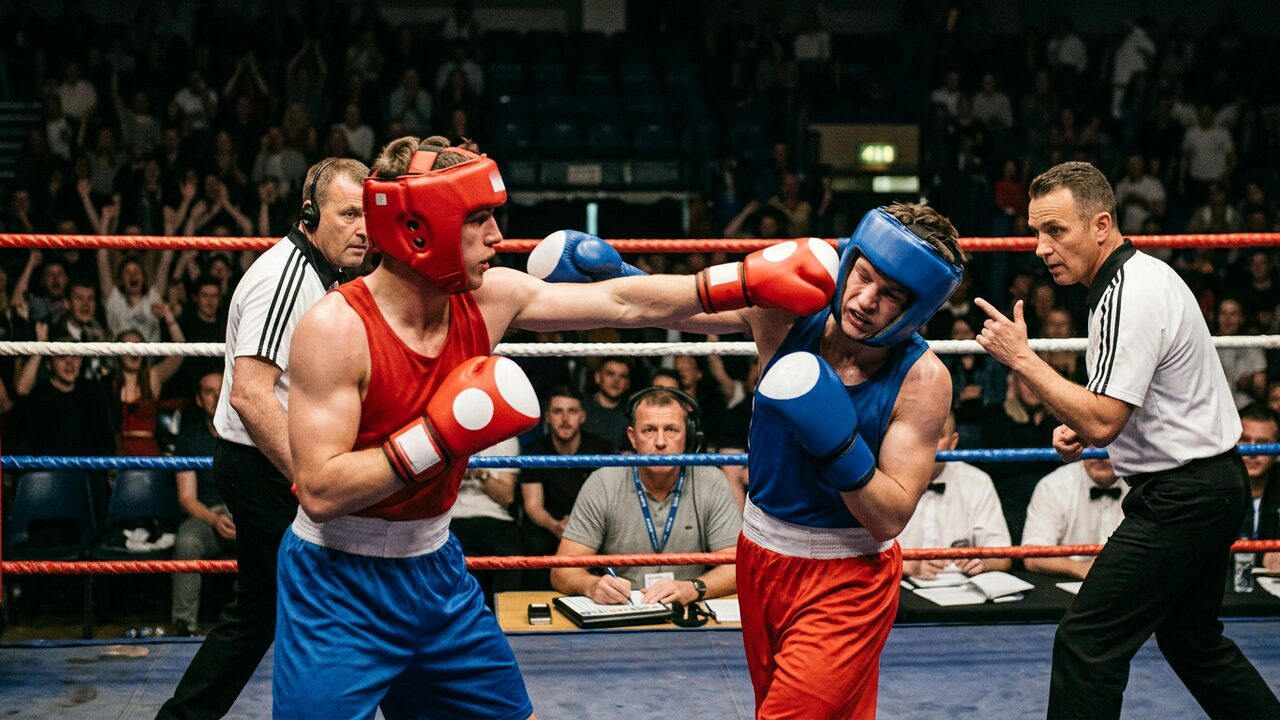
Why amateur boxing is scored so differently from the professional game
Amateur boxing rewards clean, visible scoring shots over sustained damage, producing a style of fight that looks quite different from the professional ranks.
Styles · 3 min read
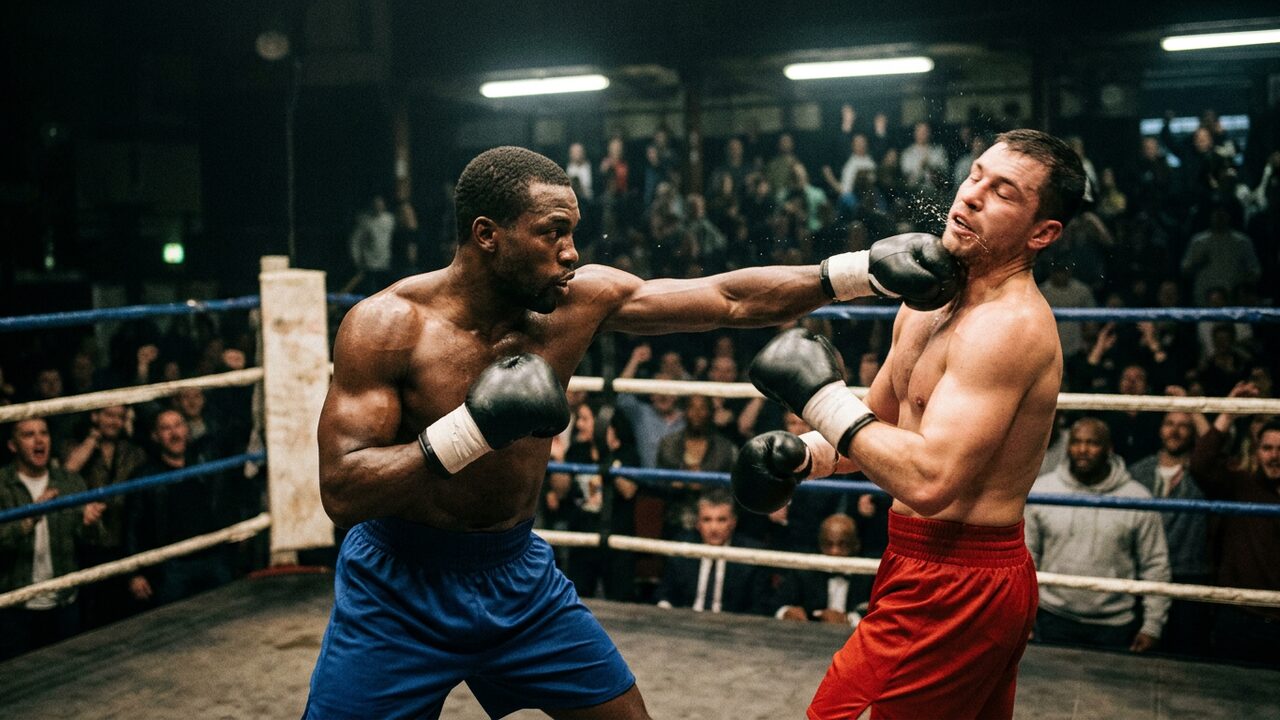
The mechanics behind why southpaws cause so many problems
A right-handed fighter's habits are built against other right-handed fighters, and a southpaw stance breaks nearly every one of those habits at once.
Styles · 3 min read
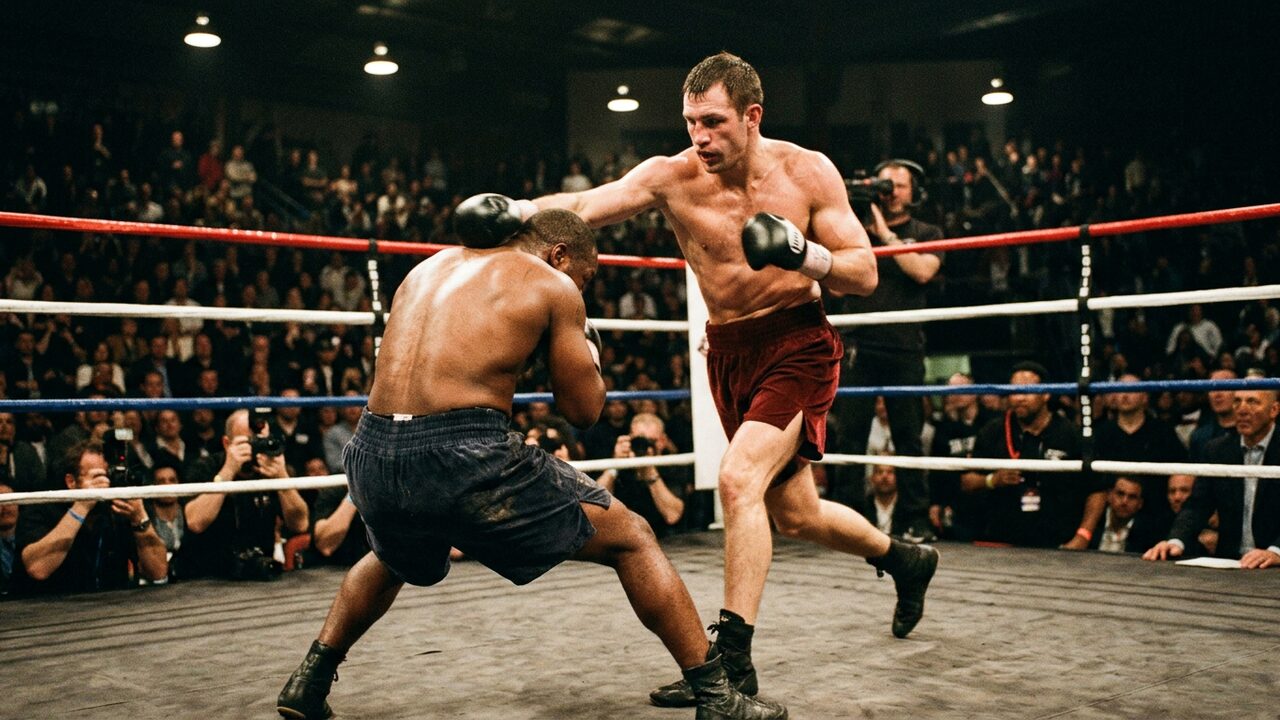
The old boxing truth that styles make fights
The saying that styles make fights is repeated so often it risks sounding like a cliché, but it describes something concrete about how skill interacts.