
College Sports
College Sports articles
Everything SportsArena365 has written about college sport.
Arena's own college sports writing. Every piece below was written by us and contains no score, statistic or injury claim we could not verify.
Arena original · Analysis
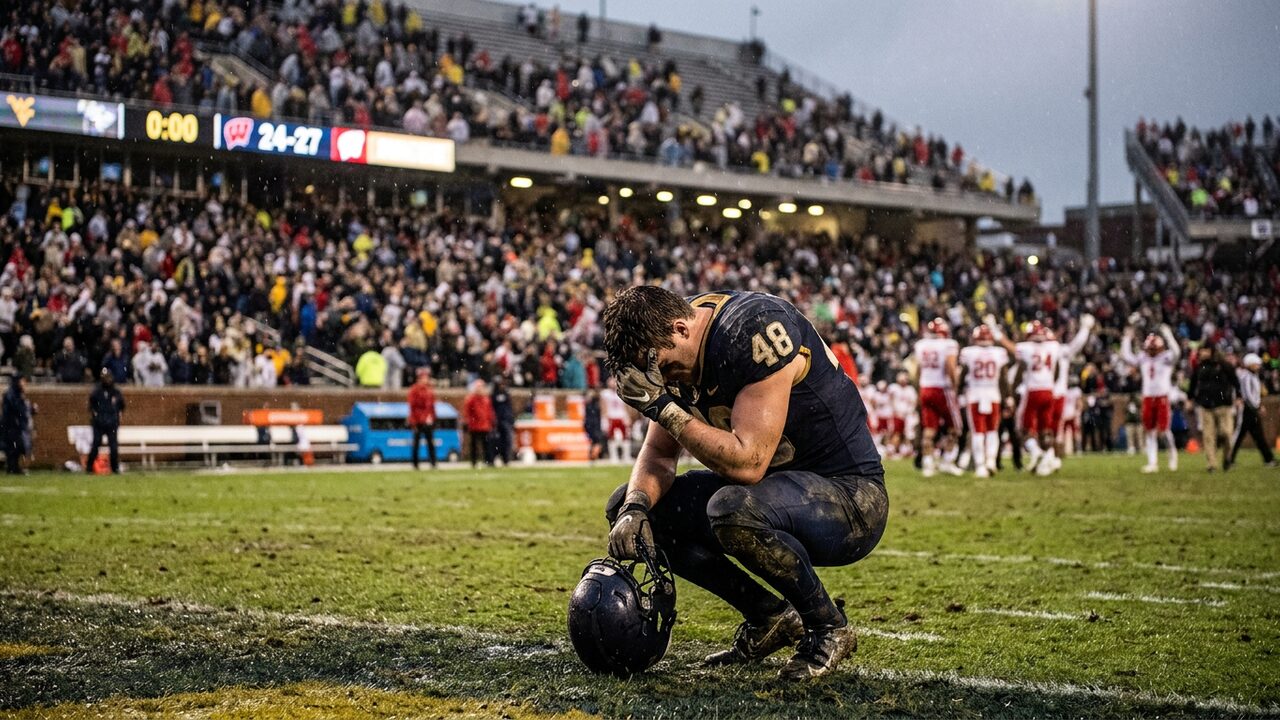
Why a short season magnifies a single loss
A twelve-or-so game season leaves almost no room for the sport to forget a bad afternoon, and that scarcity shapes how every week is coached and watched.
Arena original · Analysis
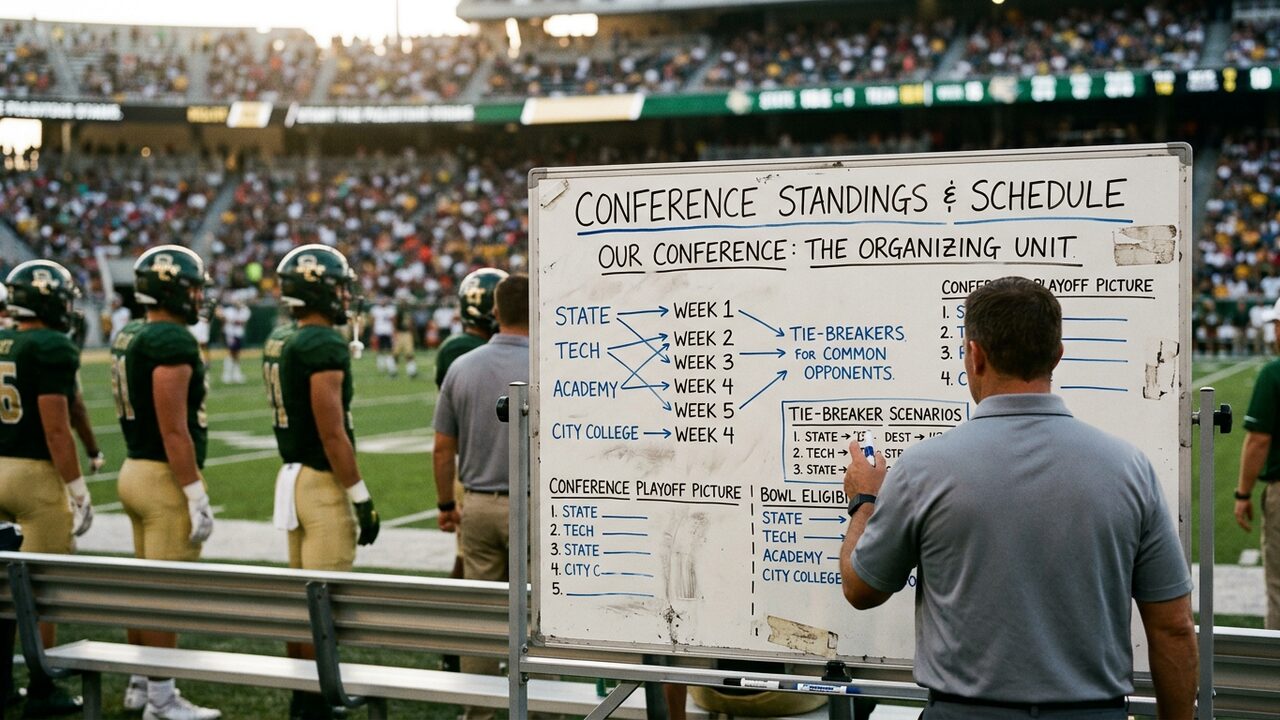
Conference structure is the real organising unit
College football is best understood not as one national competition but as several regional leagues whose champions occasionally meet, and that framing explains most of its scheduling logic.

Arena original · Analysis
Selection versus earning a place: the postseason argument
College football has never fully settled whether its postseason should reward what a committee believes or what a table proves, and the debate shapes every close call.
Arena original · Analysis
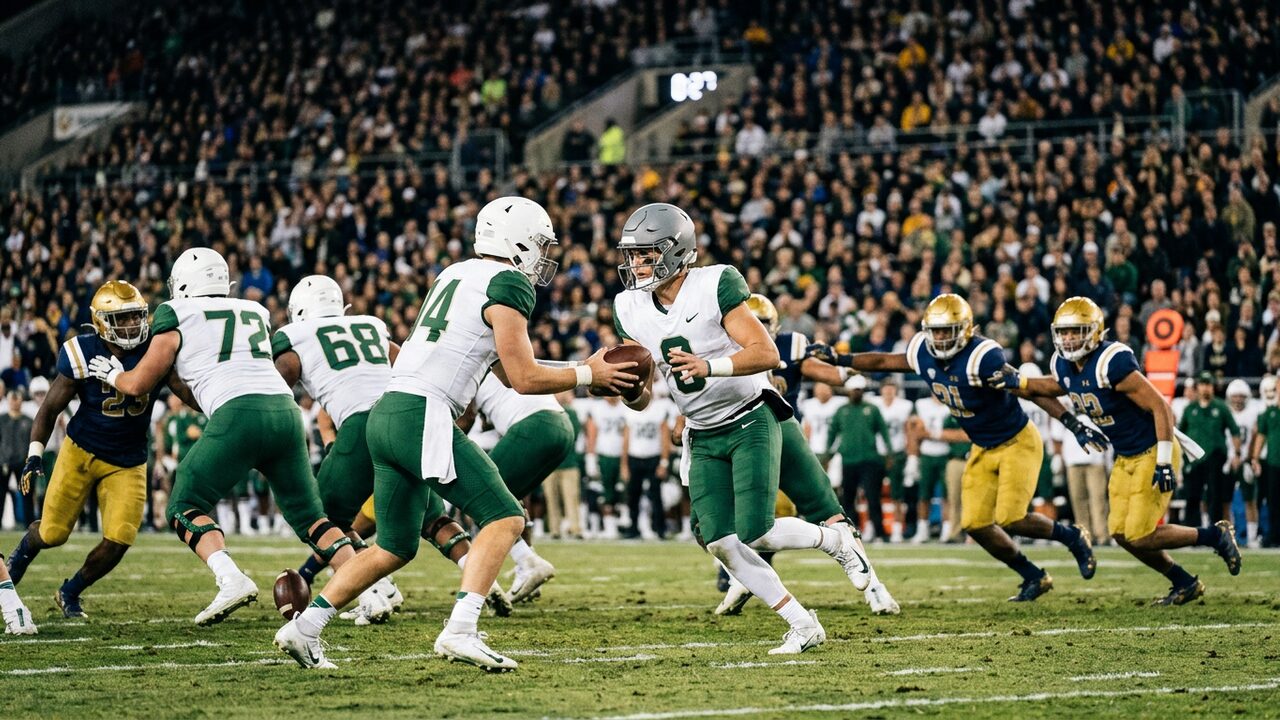
Tempo offences: using the clock as a weapon
A fast-paced offence is not simply about scoring quickly; it is about denying a defence the time it needs to substitute and adjust.
Arena original · Analysis
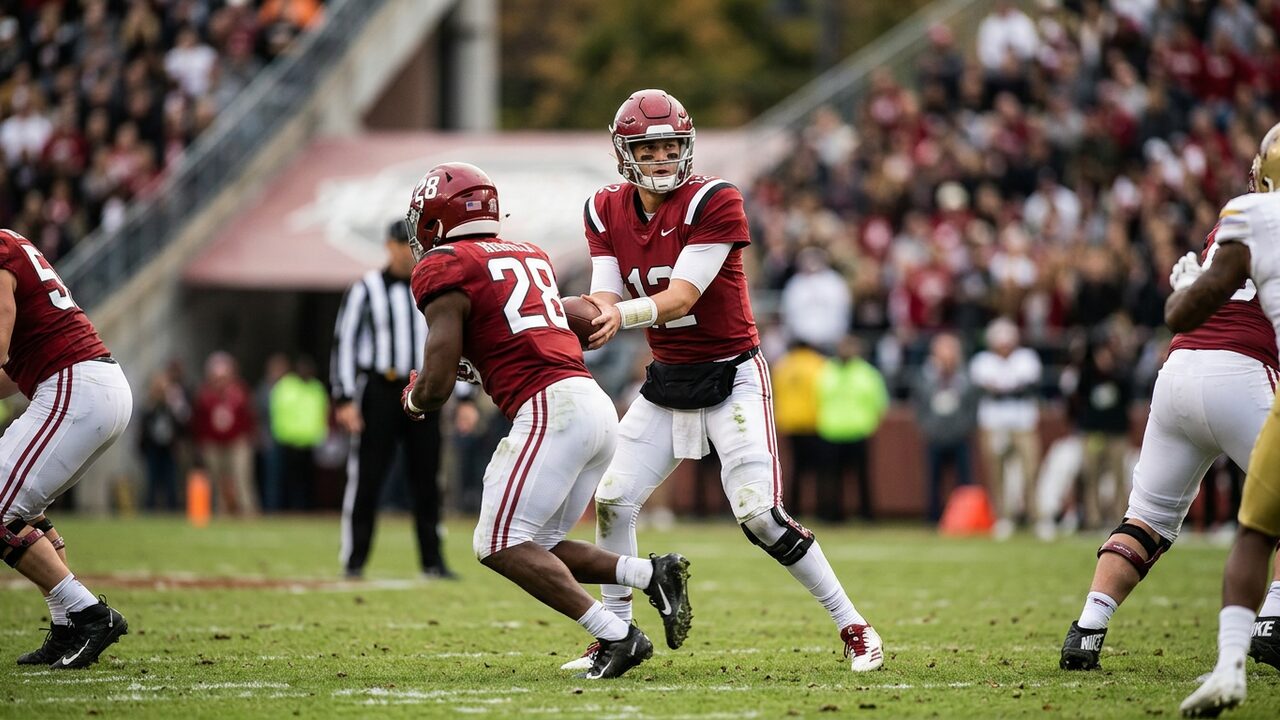
The run-pass option: reading, not guessing
The run-pass option asks one defender to be wrong no matter what they do, which is what makes it one of the sport's more elegant tactical inventions.
Arena original · Analysis
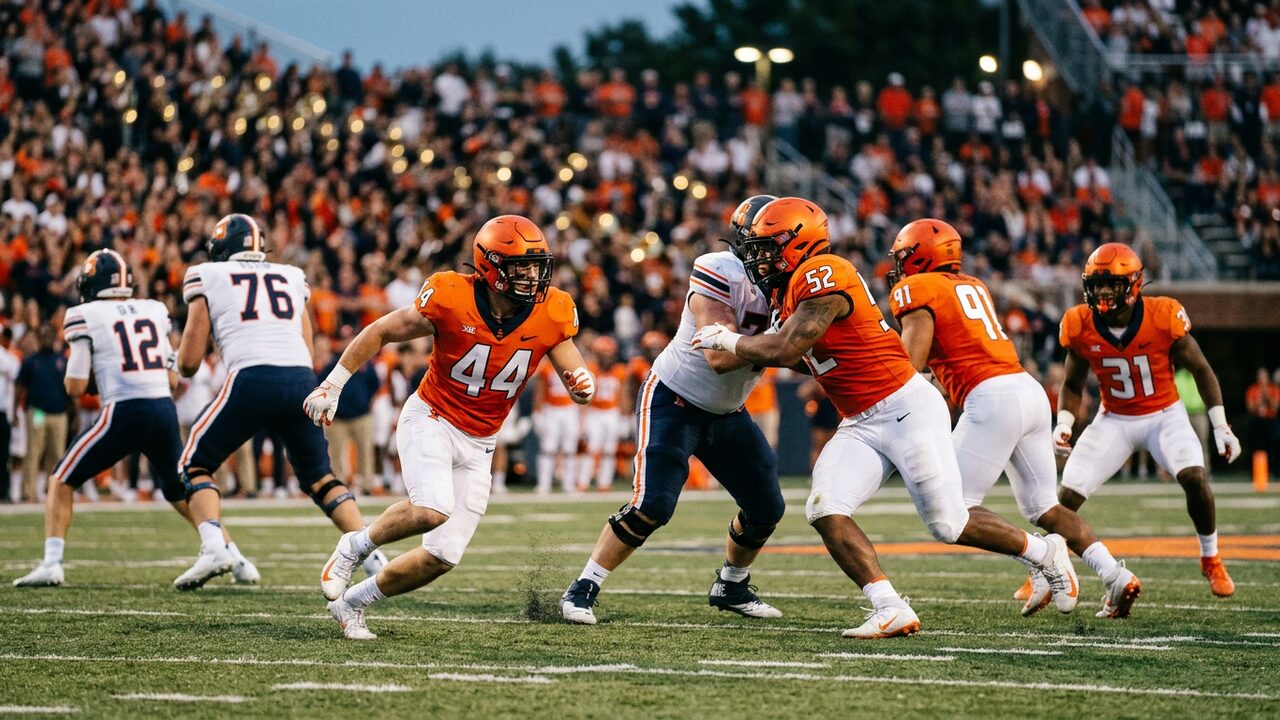
How defences have adapted to spread offence
Spreading the field forced defences to trade bulk for speed, and that trade has reshaped recruiting and scheme across the sport.
Arena original · Feature
Why projecting college football teams is so hard
A roster that changes substantially every year makes last season a weaker guide to this one than fans often assume.
Arena original · Feature
How player movement has changed team building
Greater freedom for players to change schools has turned roster construction into an ongoing process rather than a once-a-year event.
Arena original · Blog
The logic behind lopsided non-conference games
A one-sided early-season fixture is usually a deliberate financial and competitive decision, not an accident of scheduling.
Arena original · Feature
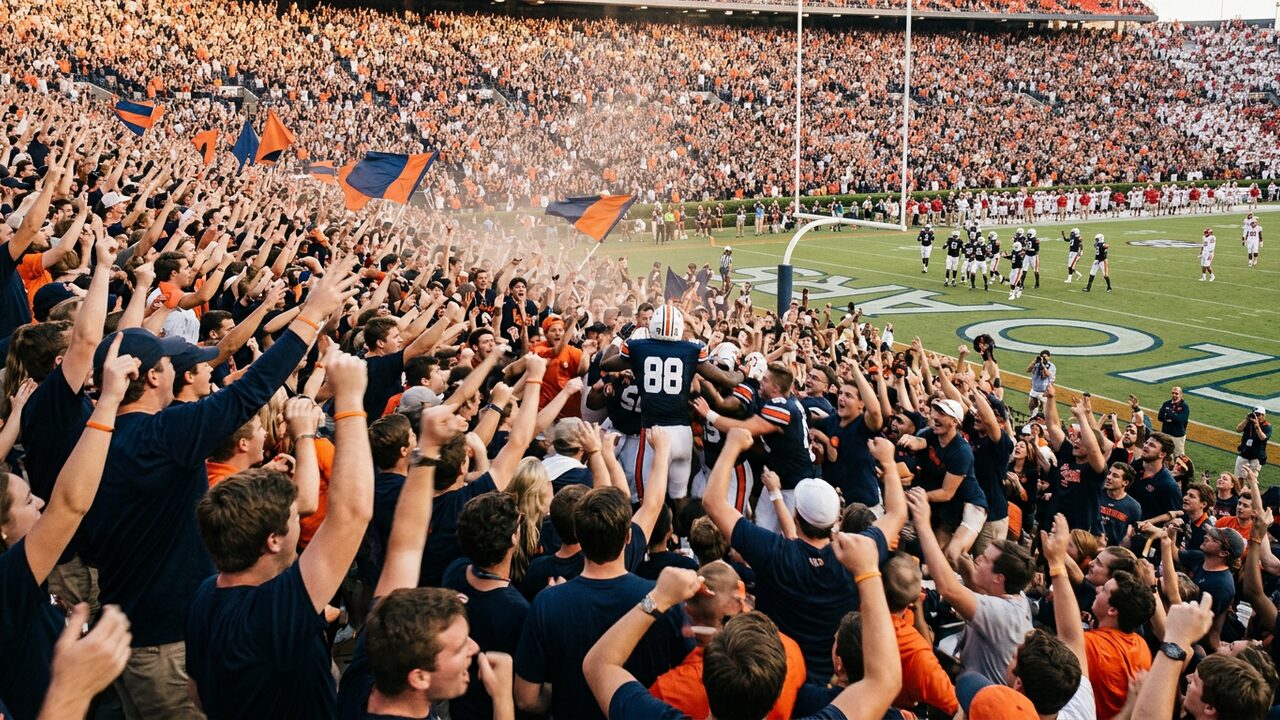
Home crowds, distance and the price of travel
College football's geography turns crowd noise and travel fatigue into genuine competitive factors rather than mere atmosphere.
Arena original · Feature
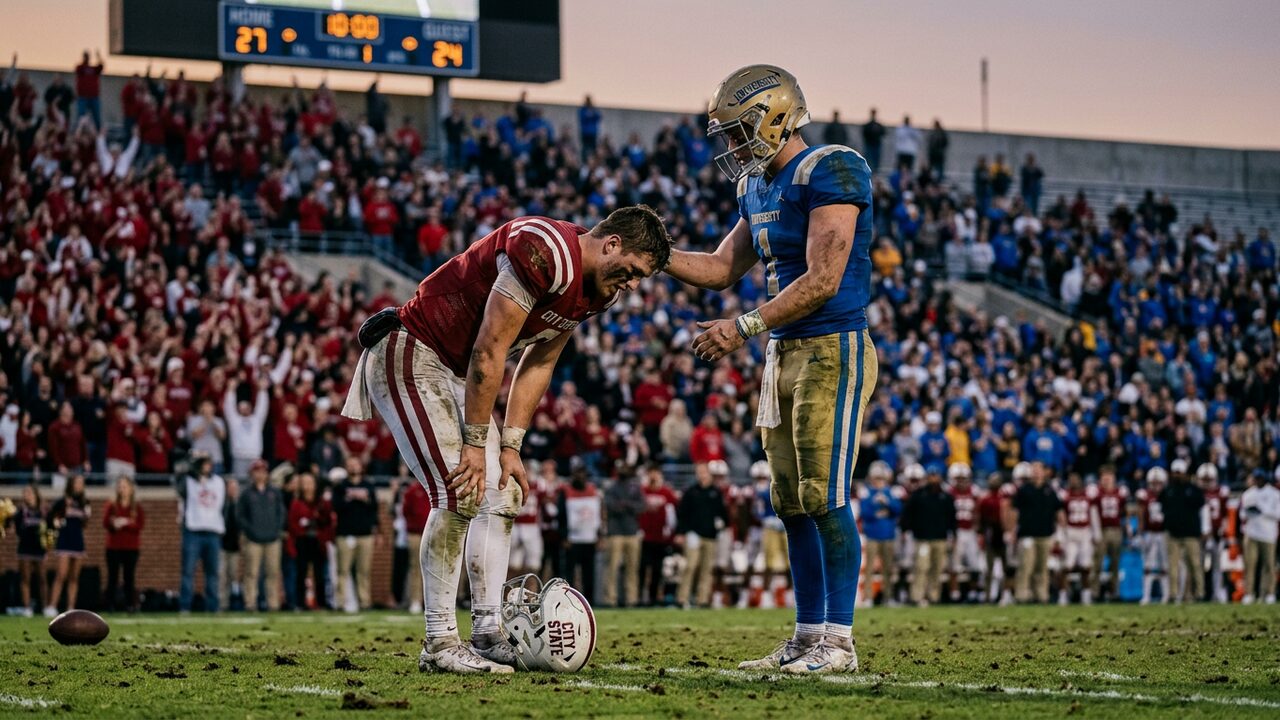
What a rivalry game actually changes
A rivalry game can override form, tactics and even a poor season in ways that no ordinary fixture can, and that is by design rather than accident.
Arena original · Feature
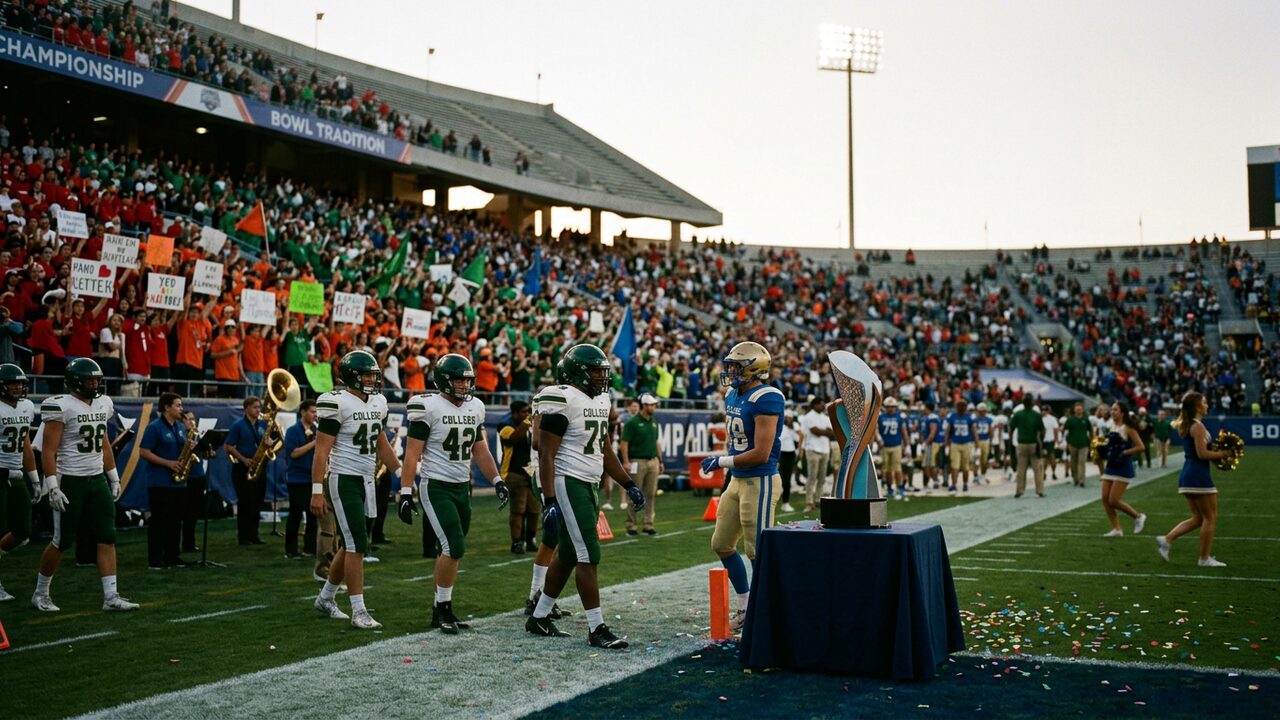
Bowl culture: reward, exhibition and tradition together
The bowl system blends genuine competition with regional tradition and reward, which is why it resists being judged by a single standard.
Arena original · Analysis
Why special teams decide more games than they get credit for
Field position and a handful of high-variance plays give special teams outsized influence on a result relative to the practice time they receive.

Arena original · Blog
What a coaching change really resets
A new head coach rarely inherits a blank slate, and understanding what does and does not carry over explains why some transitions are smoother than others.

Arena original · Blog
Why some programmes develop players faster than others
Differences in resources, staffing and continuity produce real developmental gaps between programmes that talent alone cannot explain.
Arena original · Analysis
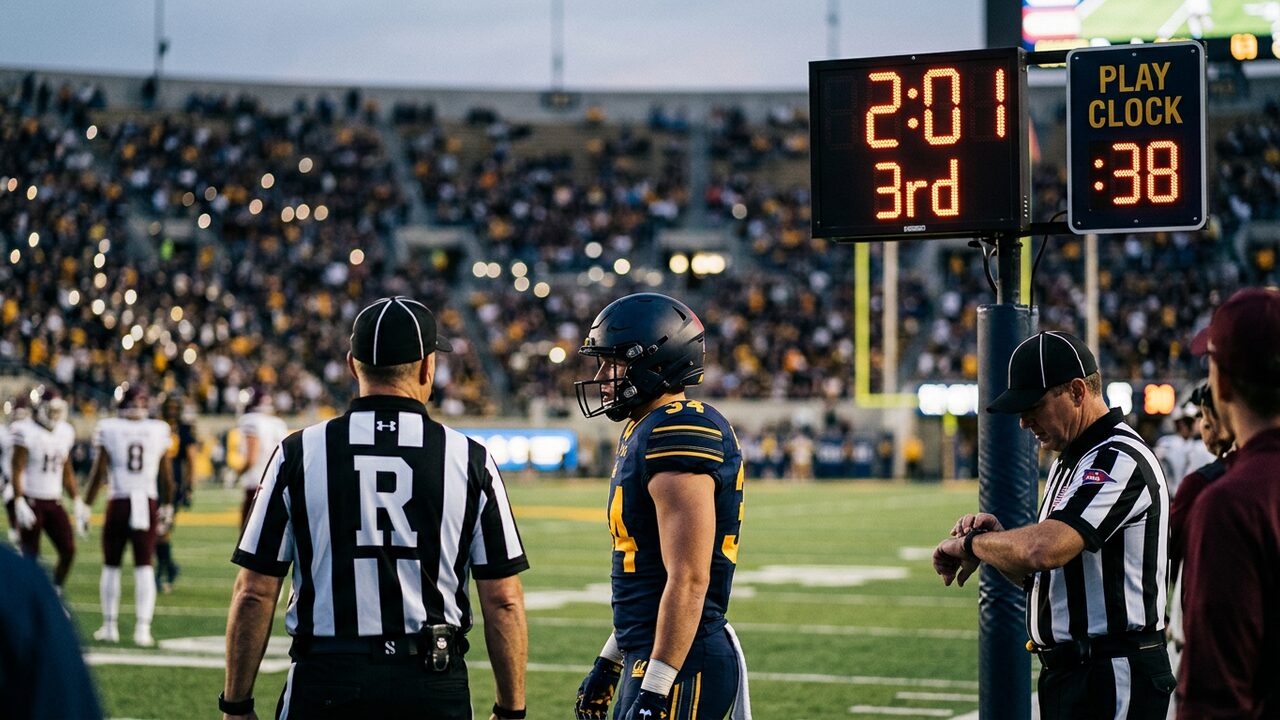
How college football's clock rules differ, and why it matters
Small differences in how the clock starts and stops after certain plays change pace, strategy and the value of the final minutes in ways worth understanding precisely.
Arena original · Blog
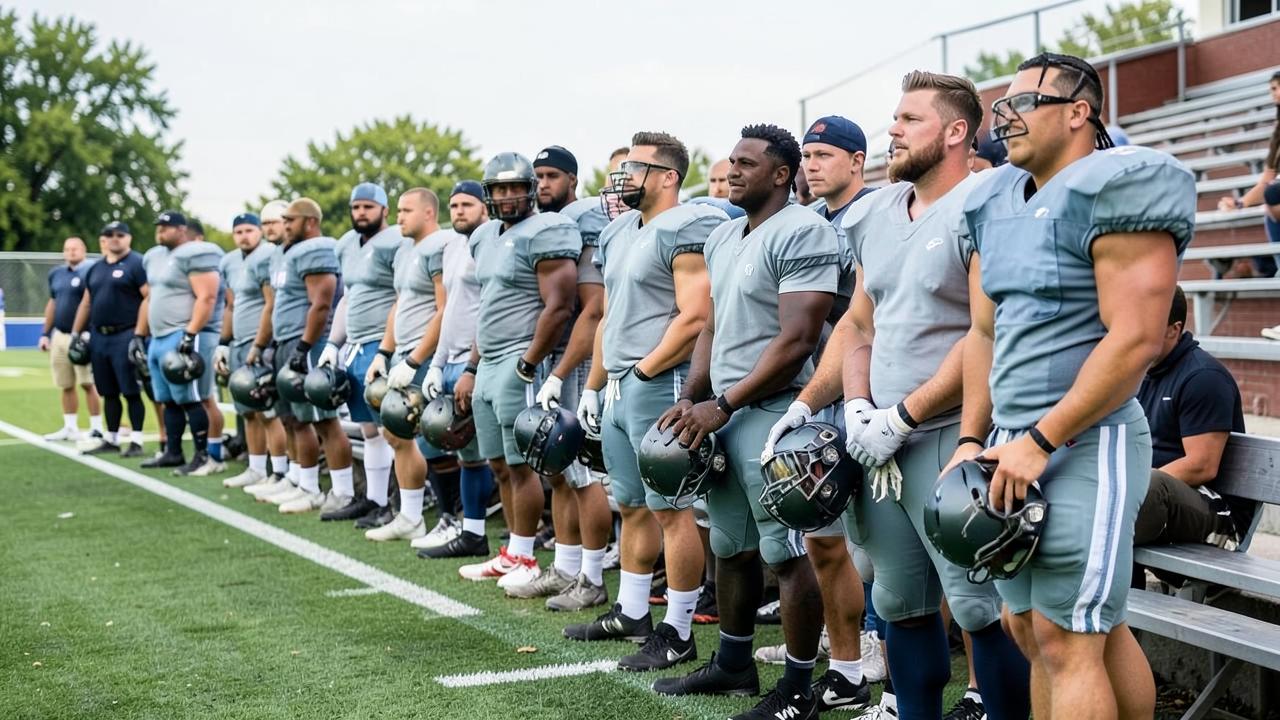
Why the depth chart tells you more than the starting eleven
A team's true quality is often better revealed by who plays after an injury than by who starts the season opener.
Arena original · Blog
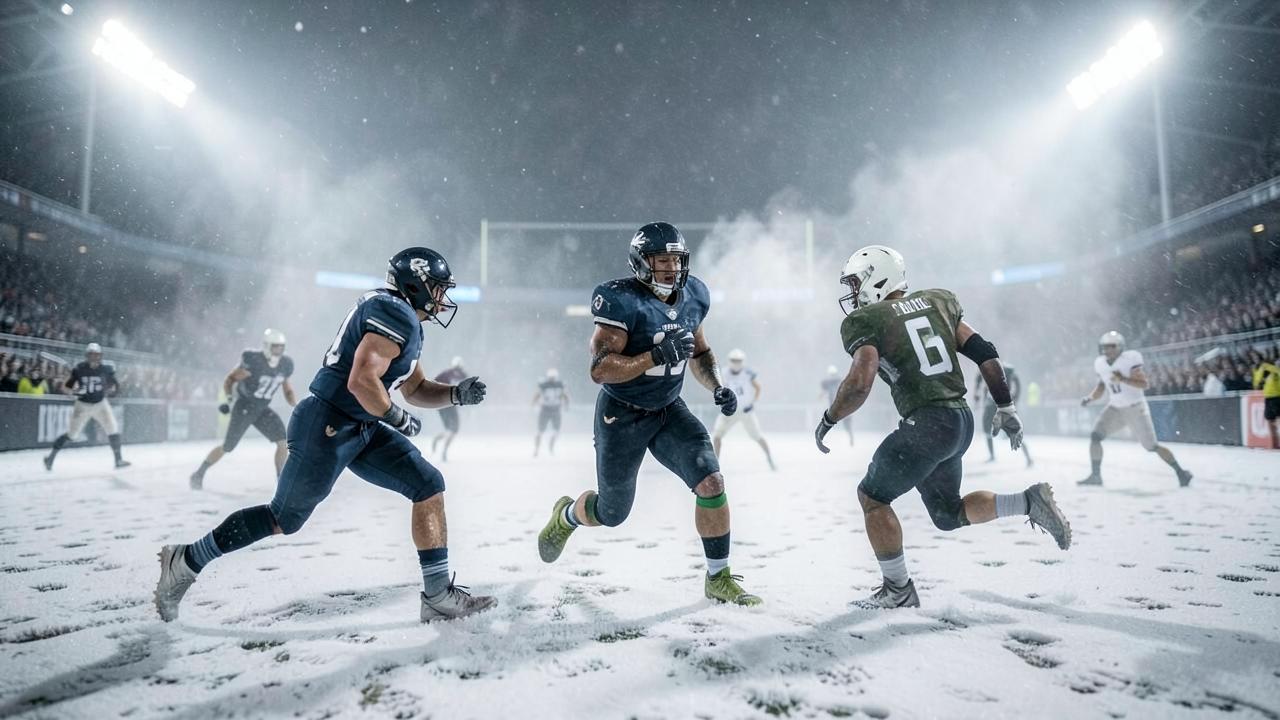
How November weather changes the sport being played
Cold, wind and wet conditions late in the season often force a genuinely different style of football than the one played in warm September afternoons.
Arena original · Analysis
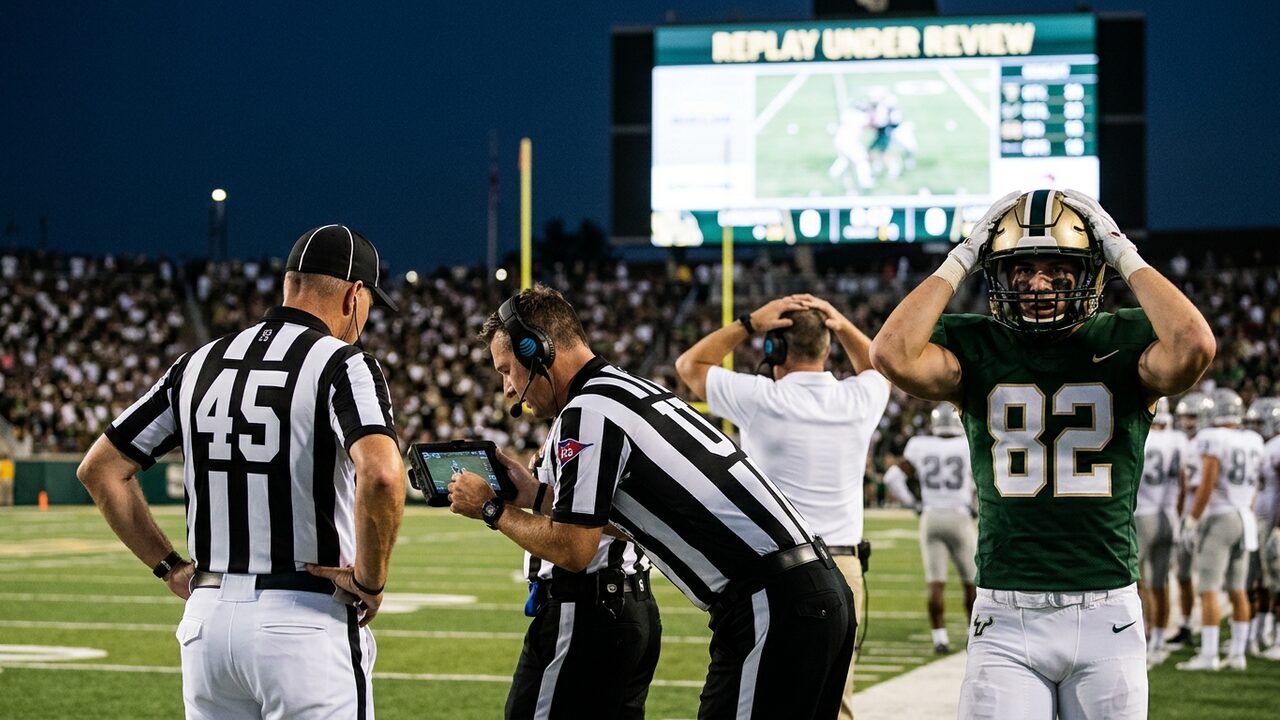
Officiating and the limits of what replay can fix
Video review has removed some kinds of officiating error while leaving judgement calls exactly where they always were, and understanding that boundary matters.

Arena original · Feature
What college football asks of very young players
The physical, academic and public pressures placed on players still in their late teens are unusual by the standards of most other walks of life.
Arena original · Analysis
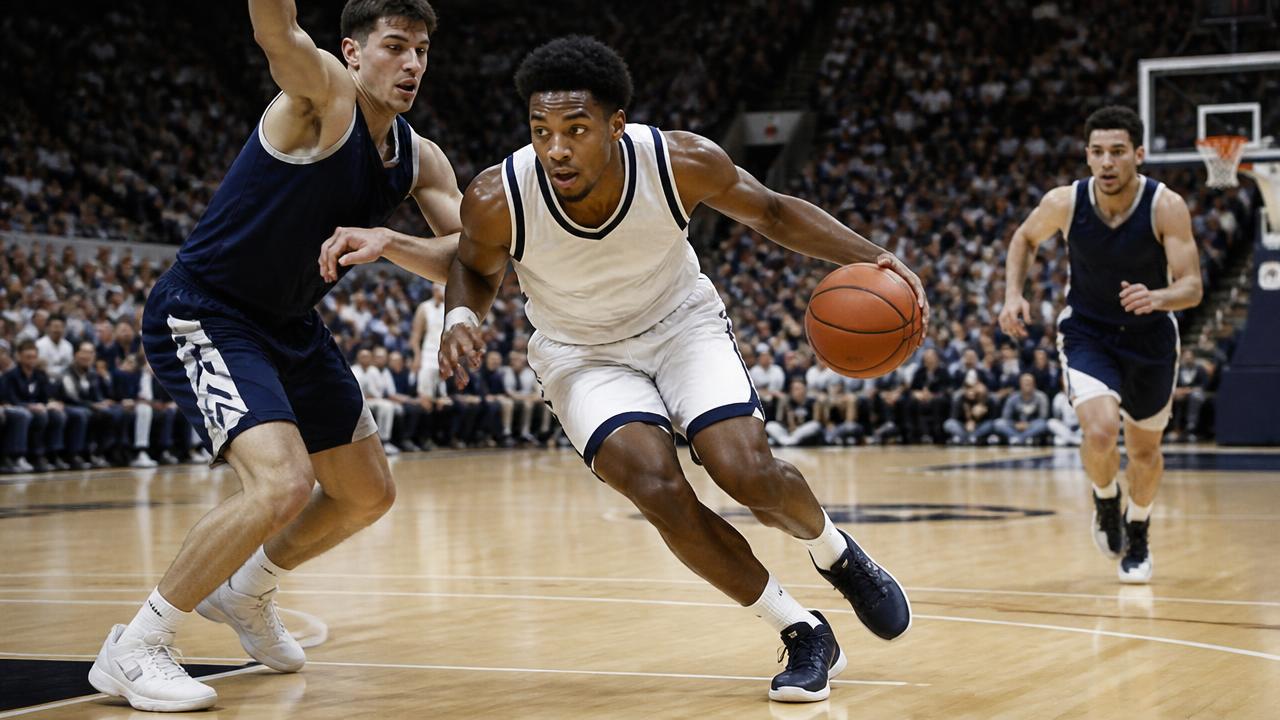
Why single elimination produces chaos
The tournament is not unpredictable because the teams are close. It is unpredictable because one game is far too short to measure anything reliably.

Arena original · Analysis
How a coach builds a system with annual turnover
College rosters change every year, so the durable asset is not the players. It is the set of habits new players can be taught quickly.
Arena original · Analysis
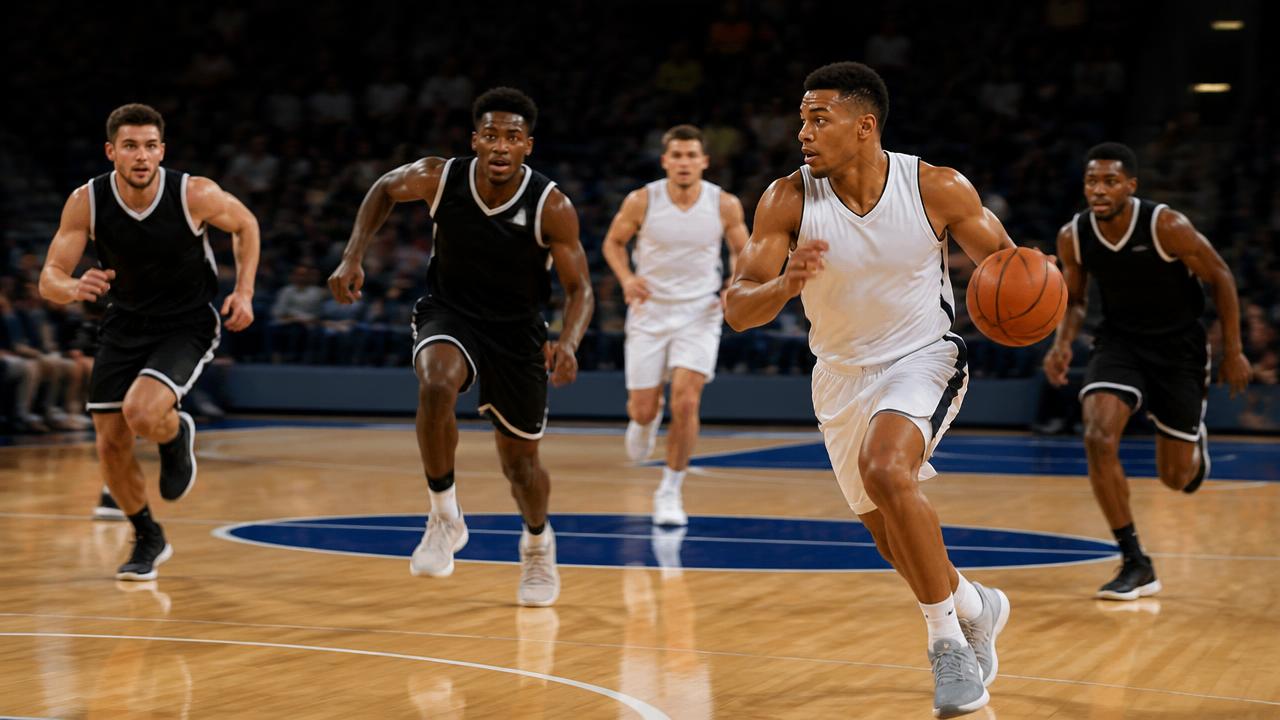
The tactical meaning of tempo
Playing slowly is not caution and playing fast is not aggression. Tempo is a decision about how many chances a weaker team gets.
Arena original · Analysis
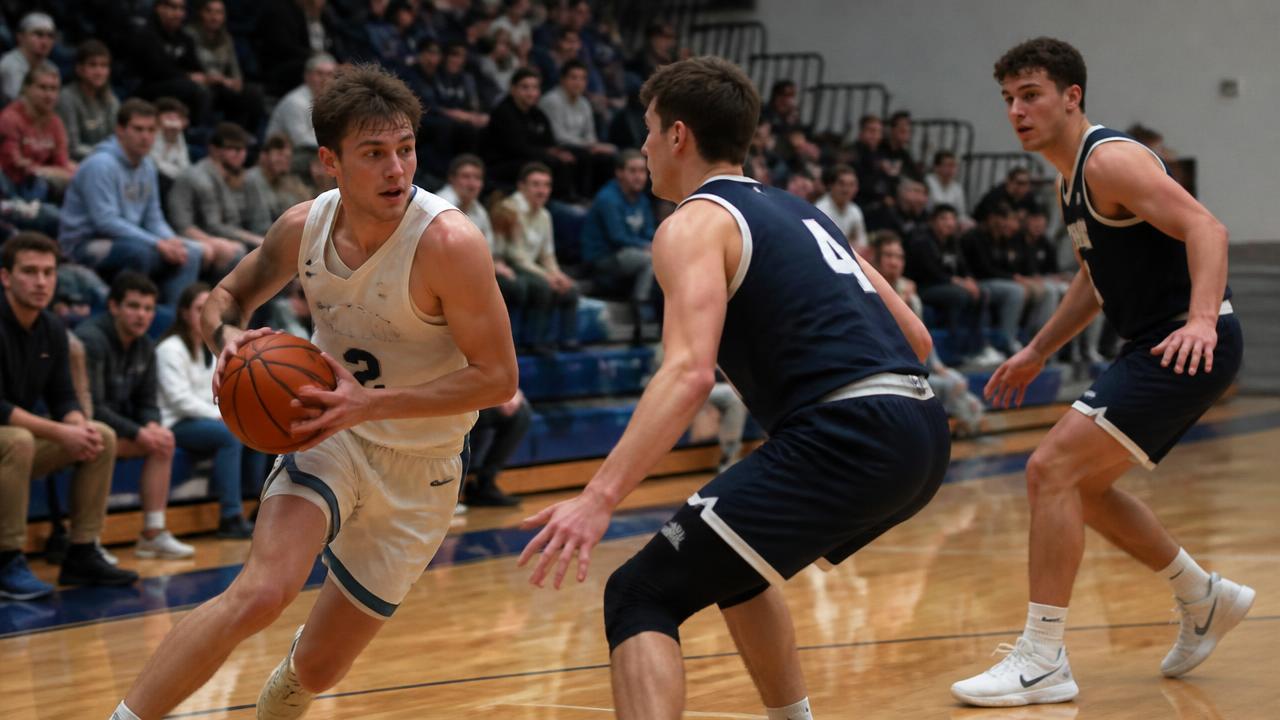
Why conference play is the real season
Repeated fixtures against familiar opponents strip away the disguises that non-conference scheduling allows.

Arena original · Feature
What the transfer era changed about college basketball
Player movement turned roster construction into something closer to a professional market, with all the planning problems that implies.
Arena original · Feature
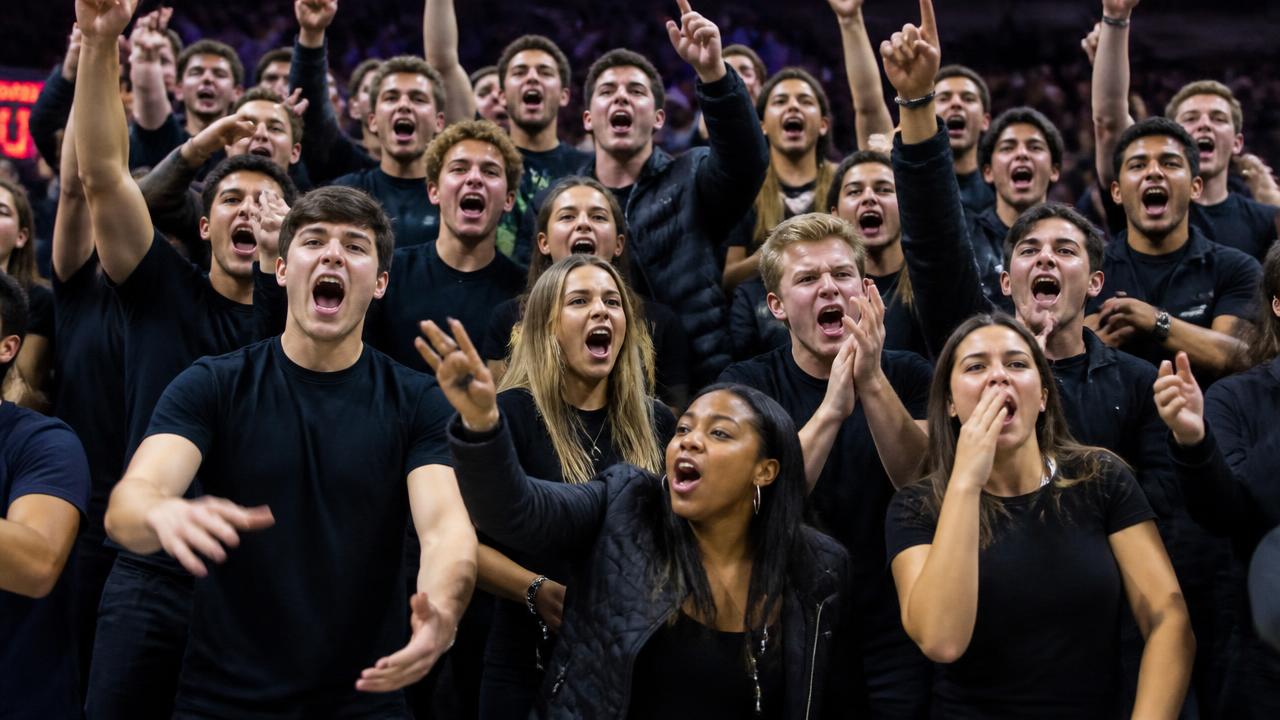
Why college arenas feel different
Small buildings, student sections and short seasons combine into an atmosphere professional venues rarely reproduce.

Arena original · Feature
How to scout a team in ten minutes
You can form a reliable impression of an unfamiliar side quickly if you watch the right three things instead of the ball.
Arena original · Blog
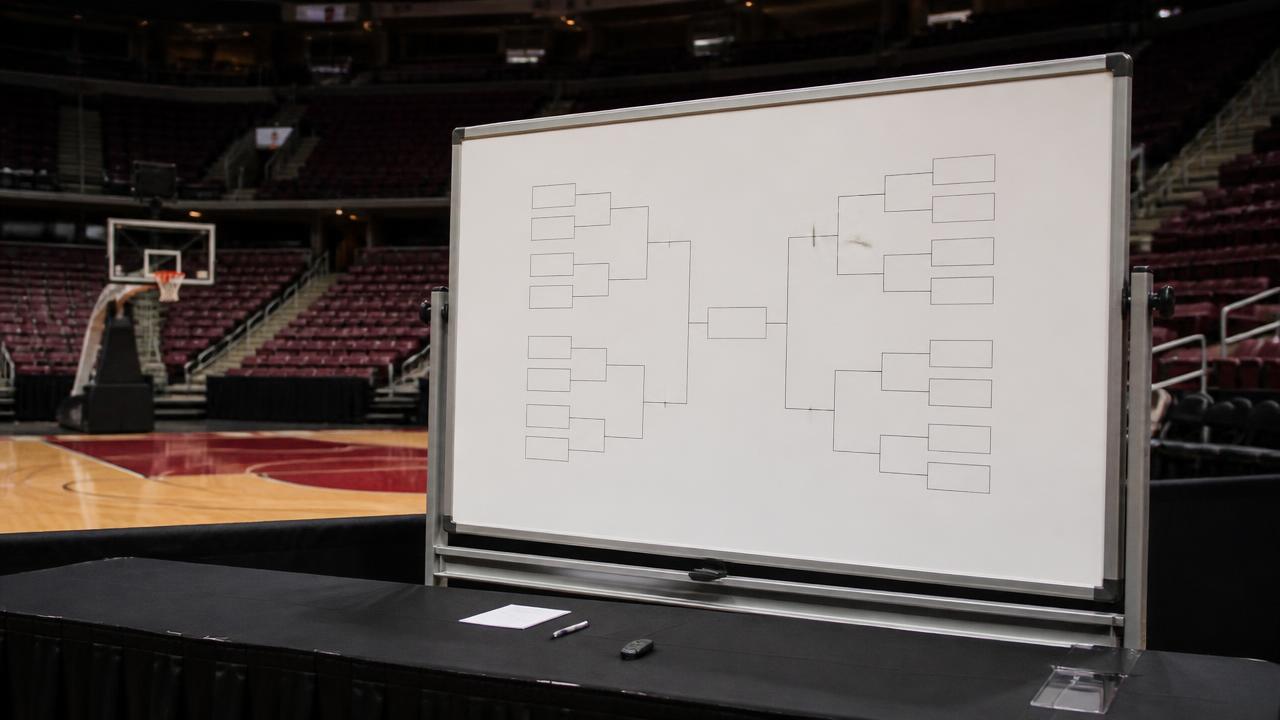
Seeding is a ranking of resumes, not of teams
Selection compares schedules that barely overlap, then produces a precise-looking order from an inherently imprecise comparison.

Arena original · Blog
Young teams are not inconsistent, they are unfinished
The word inconsistent implies a fault. What is usually being described is a group still learning, in public, at speed.
Arena original · Blog
A bigger tournament is not automatically a better one
Adding teams adds games. Whether it adds meaning depends entirely on which teams are added and what it does to the season before it.
External · not Arena writing
Around the web
Headlines from College Sports desks we rate, taken from their own public feeds. Arena has not written, edited or republished any of this — each card is a link to the publisher, and the reporting stays theirs.
Checking the feeds…