
Football
Football analysis
SportsArena365's own analysis of how football actually works.
Arena's own football writing. Every piece below was written by us and contains no score, statistic or injury claim we could not verify.
Arena original · Analysis
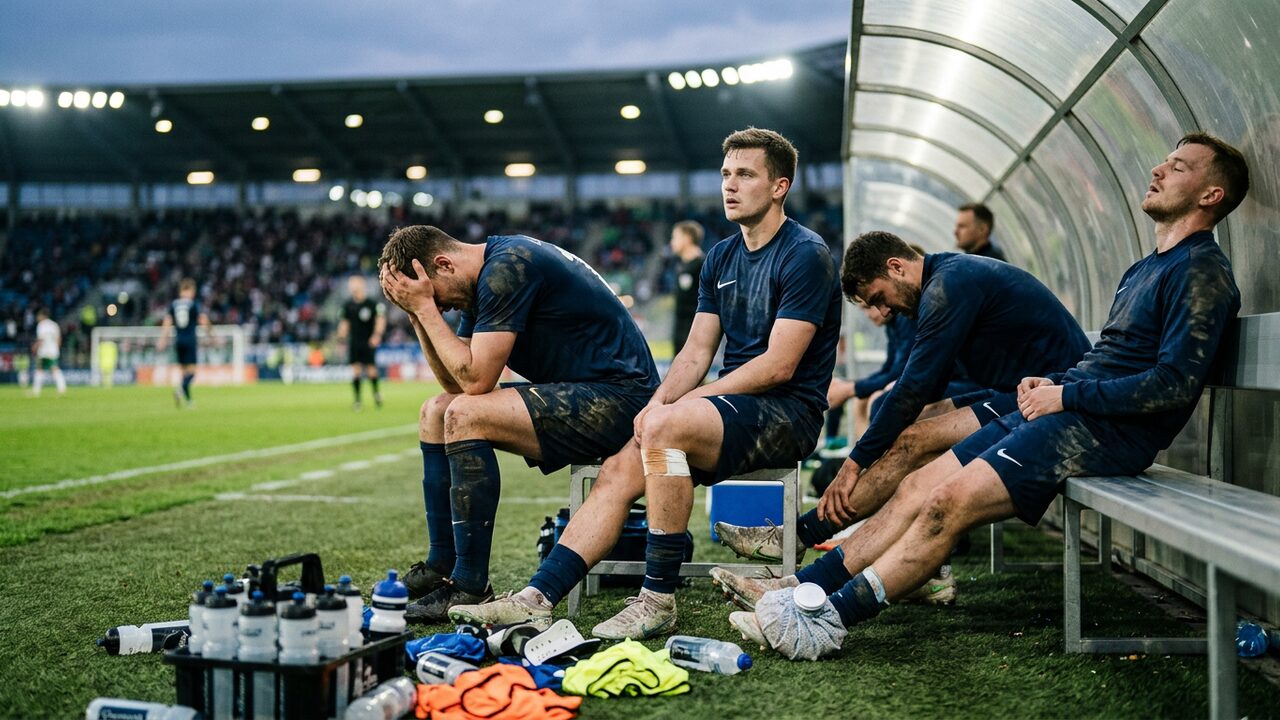
Why squad depth matters more than a strong first eleven
A season is won across dozens of matches, and the difference between a good squad and a great one often shows up in the games nobody remembers.
Arena original · Analysis
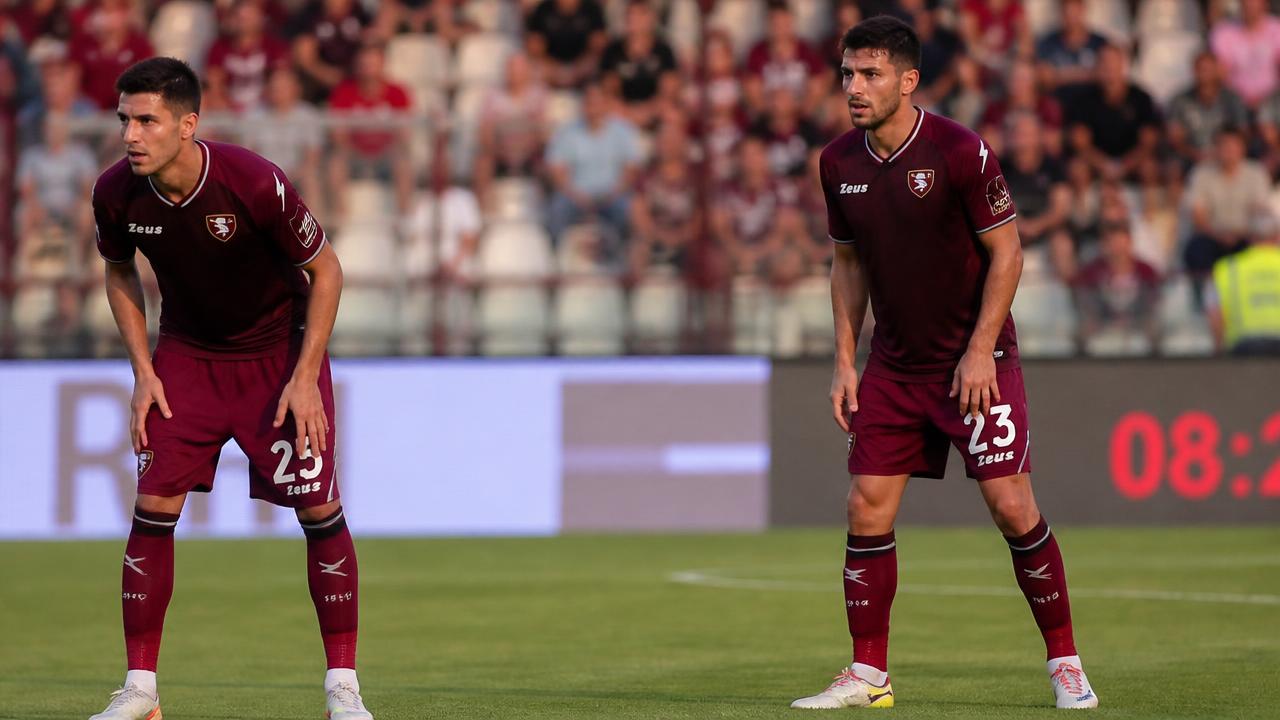
The Italian tradition of defending as a craft, not a chore
Italian football has long treated defensive organisation as a discipline worthy of study in its own right, not a lesser task attached to attacking play.
Arena original · Analysis
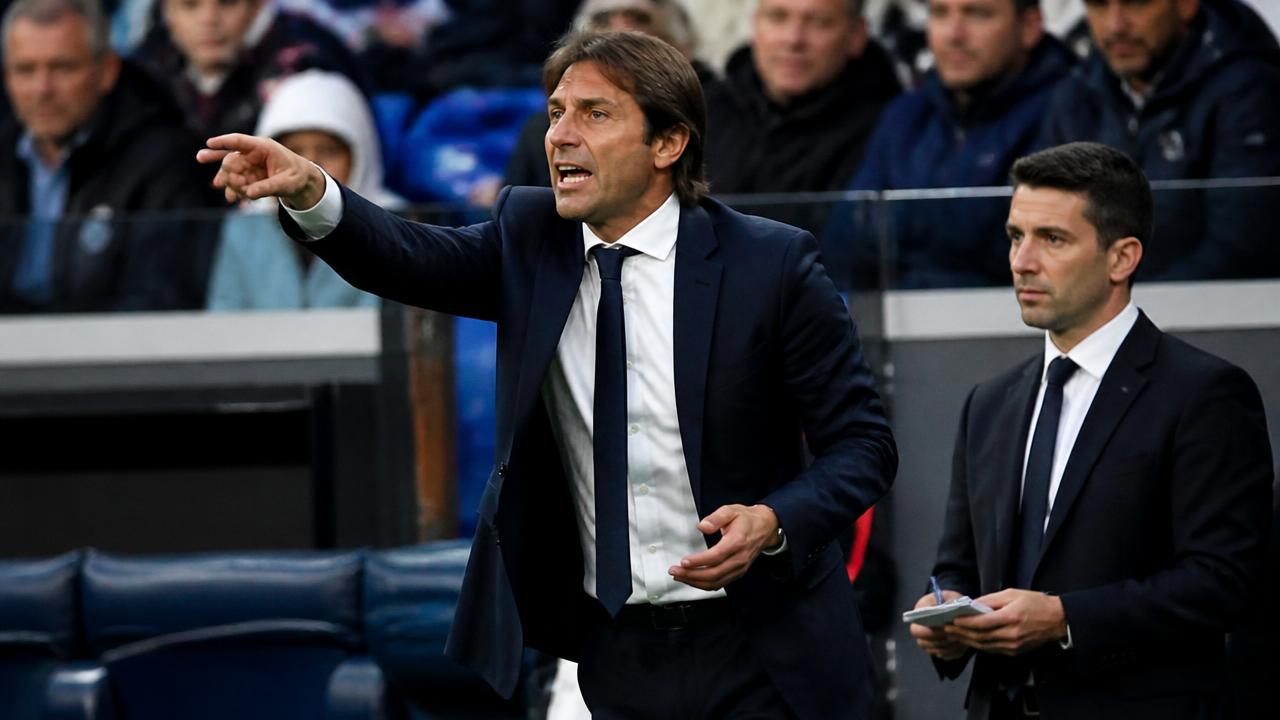
Why Serie A coaches are known for in-game adjustments
A footballing culture that studies opponents closely produces coaches comfortable rewriting a plan mid-match rather than trusting the original one blindly.
Arena original · Analysis
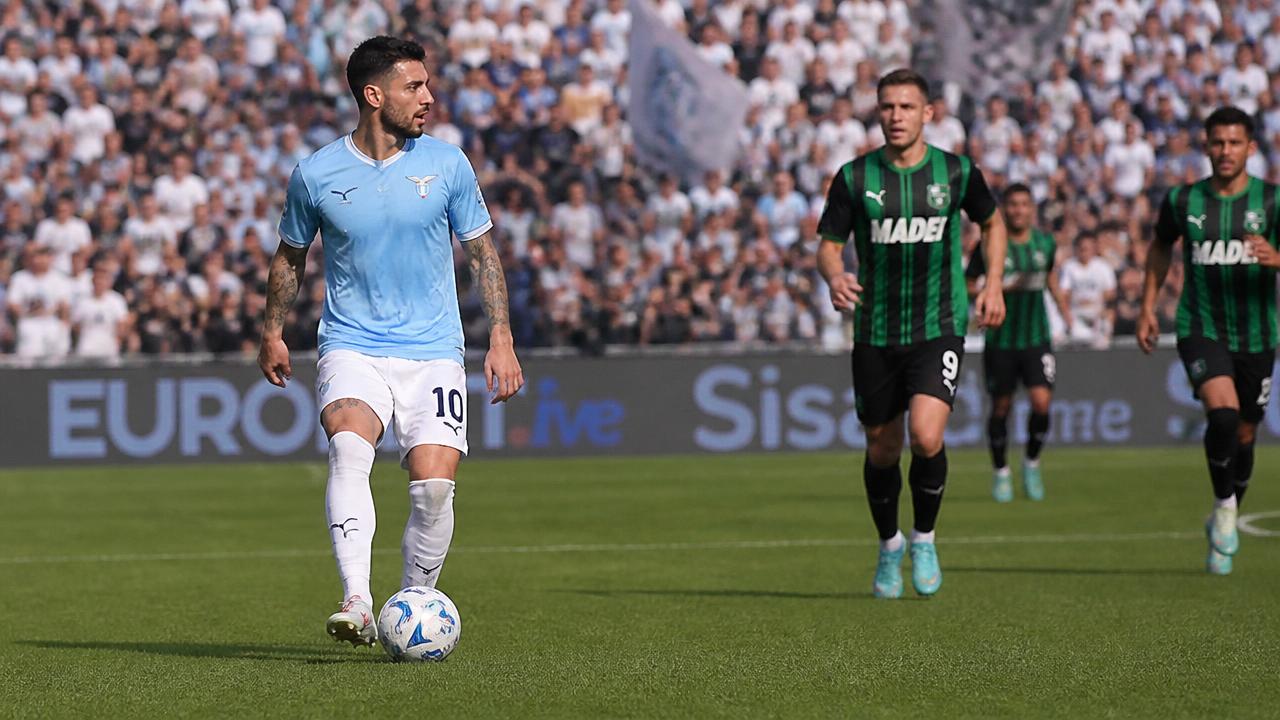
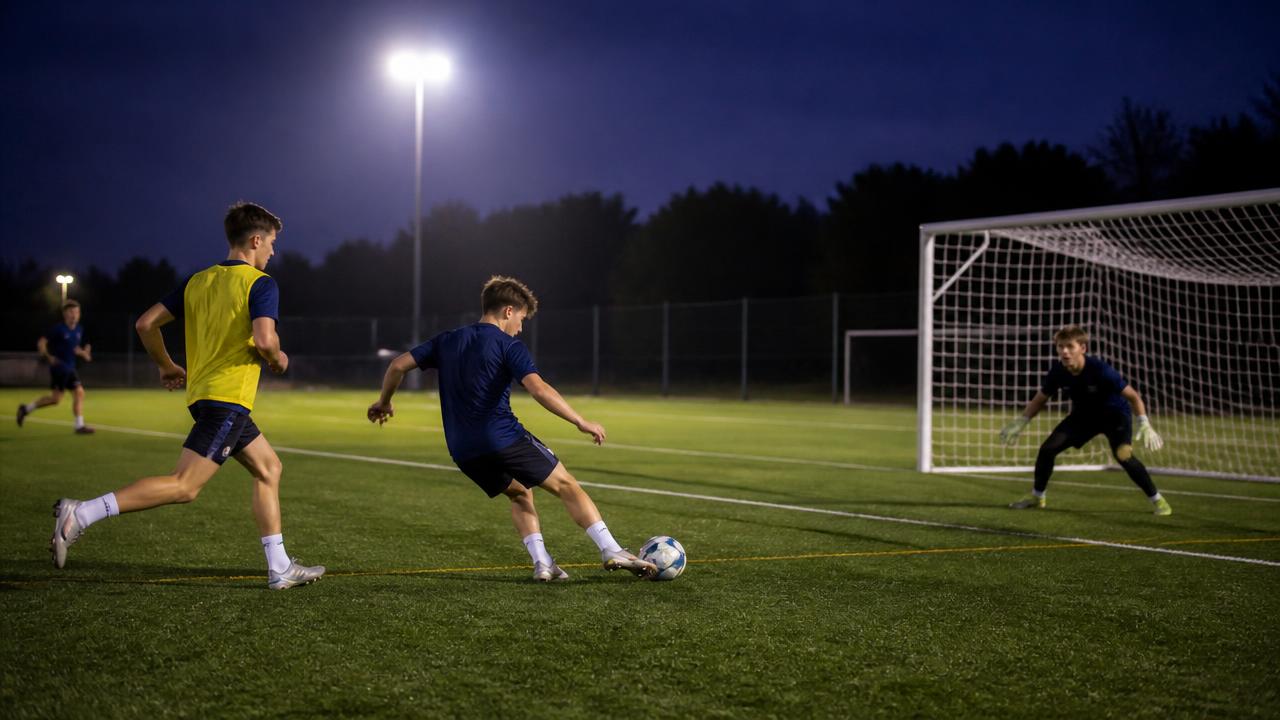
Why Italian football treats tempo as a weapon
Controlling the pace of a match, rather than simply the ball, has long been treated in Italy as a decisive tactical variable in its own right.
Arena original · Analysis
Why Ligue 1 keeps producing attacking talent
French football's reputation as a supplier of forwards and wingers is not an accident of geography. It is the output of a training system and a league that gives young players minutes.

Arena original · Analysis
How French clubs use the loan market as a development tool
A loan can be a favour, a parking space or a plan. In French football it is most often the third, and the difference shows in how the moves are structured.
Arena original · Analysis
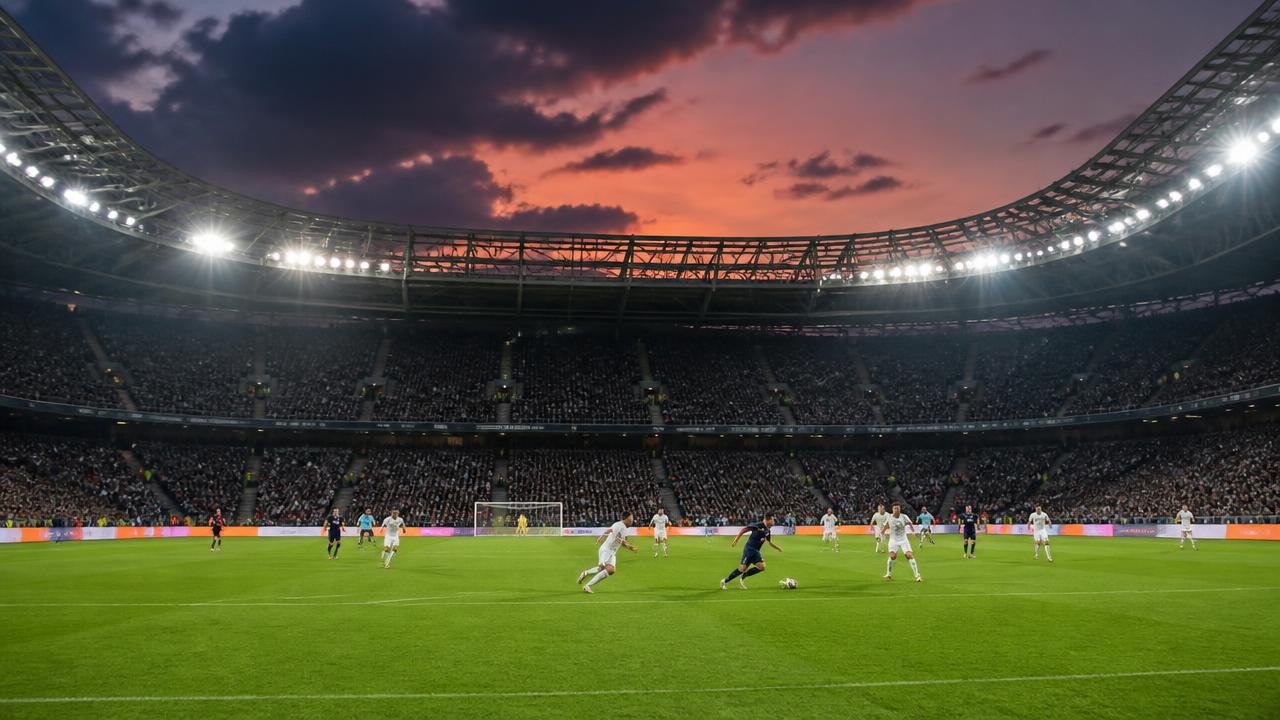
How to read a Ligue 1 pressing scheme
Pressing looks like effort from the stands and like geometry on a coach's board. Here is what to watch for when a French side tries to win the ball high up the pitch.
Arena original · Analysis
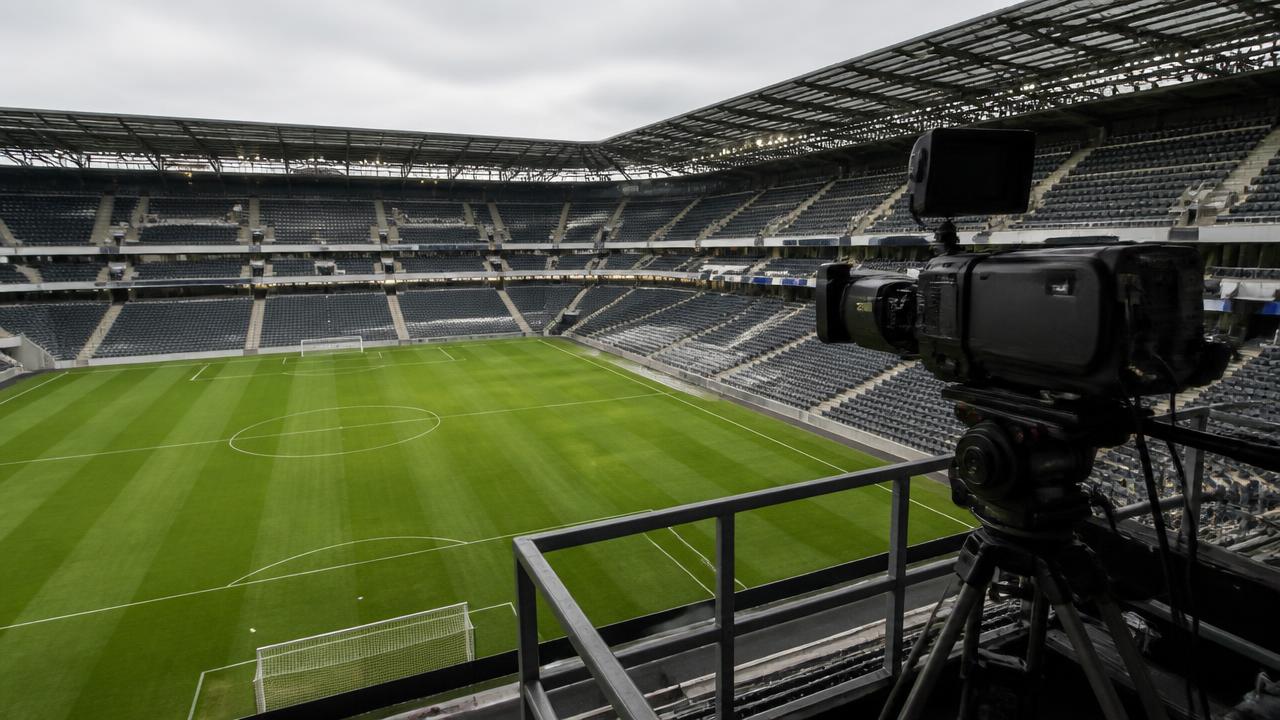
How broadcast income shapes Ligue 1 squads
Squad lists are financial documents. When television income is uncertain, that uncertainty shows up in contract lengths, wage structures and the age of a starting eleven.
Arena original · Analysis
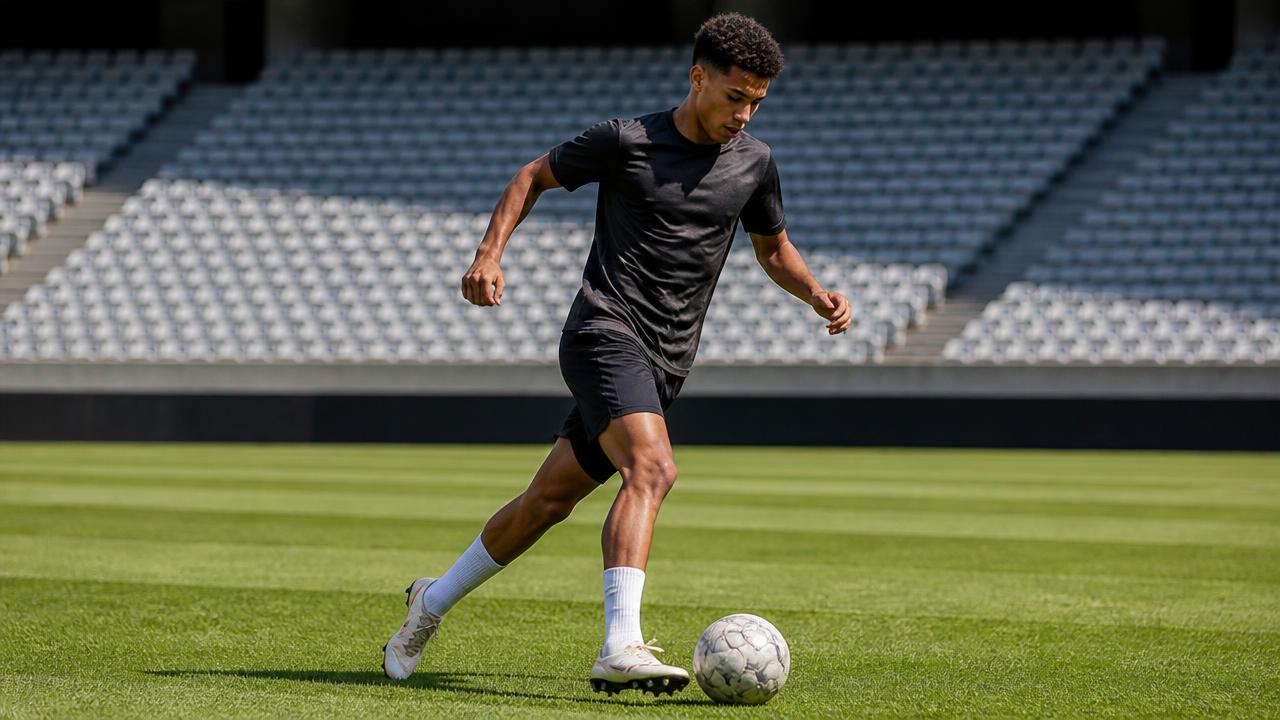
Why Portuguese clubs sell early and rebuild fast
Selling a best player every summer looks like instability. In Portugal it is a deliberate operating model, and the clubs that run it well are built to absorb the churn.
Arena original · Analysis
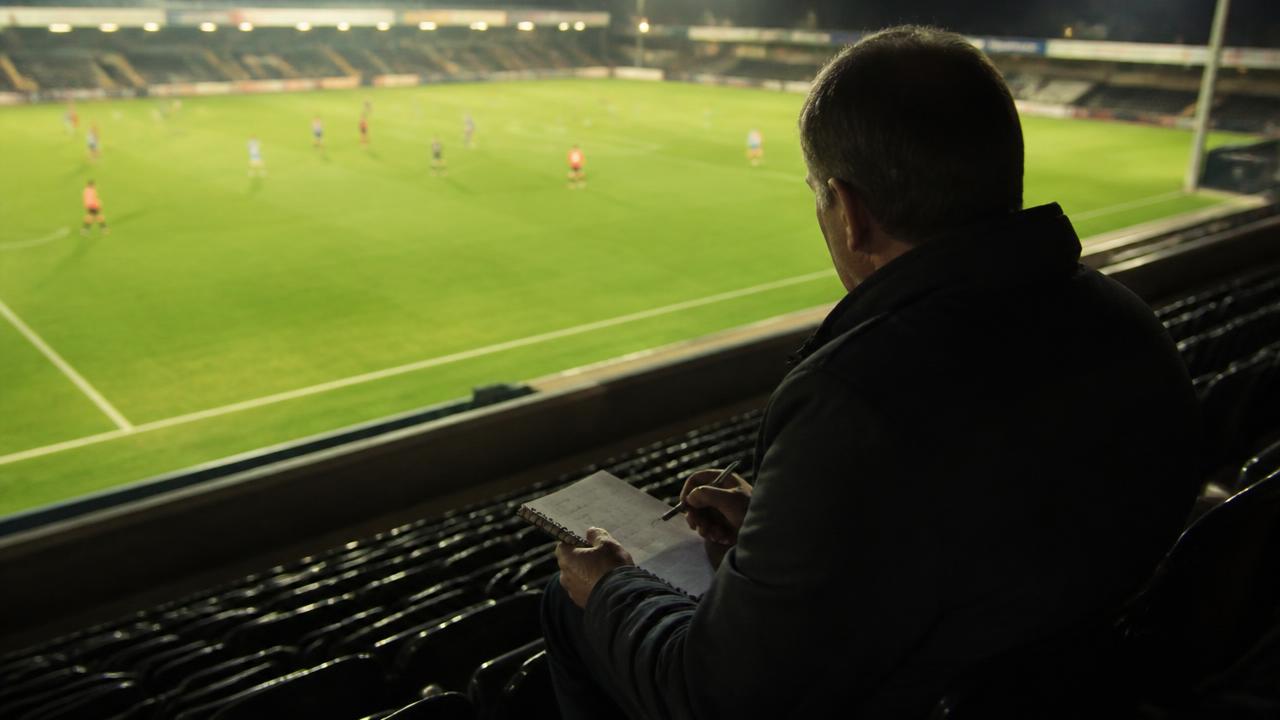
Portuguese scouting reach, and how it was built
Portuguese clubs recruit from markets far larger than their own economy would suggest. Language, history and patience explain more of it than money does.
Arena original · Analysis
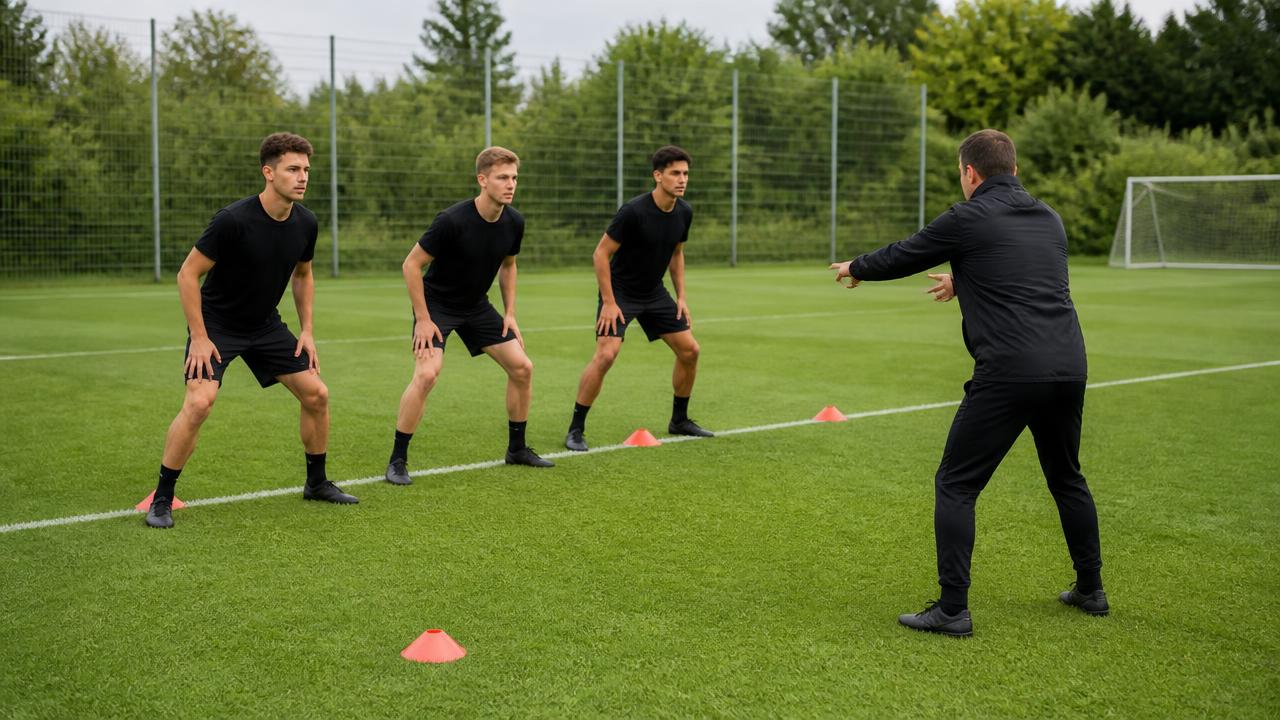
How Portuguese coaches teach a back three
A back three is not one system. Portuguese coaching has produced several versions of it, and the differences show up in who steps forward with the ball.

Arena original · Analysis
Why loan networks matter so much in Portugal
Portuguese clubs sit at the centre of a lot of player movement. Loans are the mechanism that makes it work, and they are used more deliberately than the paperwork suggests.

Arena original · Analysis
Why Dutch football keeps teaching positional play
The Netherlands exports coaches as consistently as it exports players, and the reason is a shared vocabulary about space that starts in youth football.
Arena original · Analysis
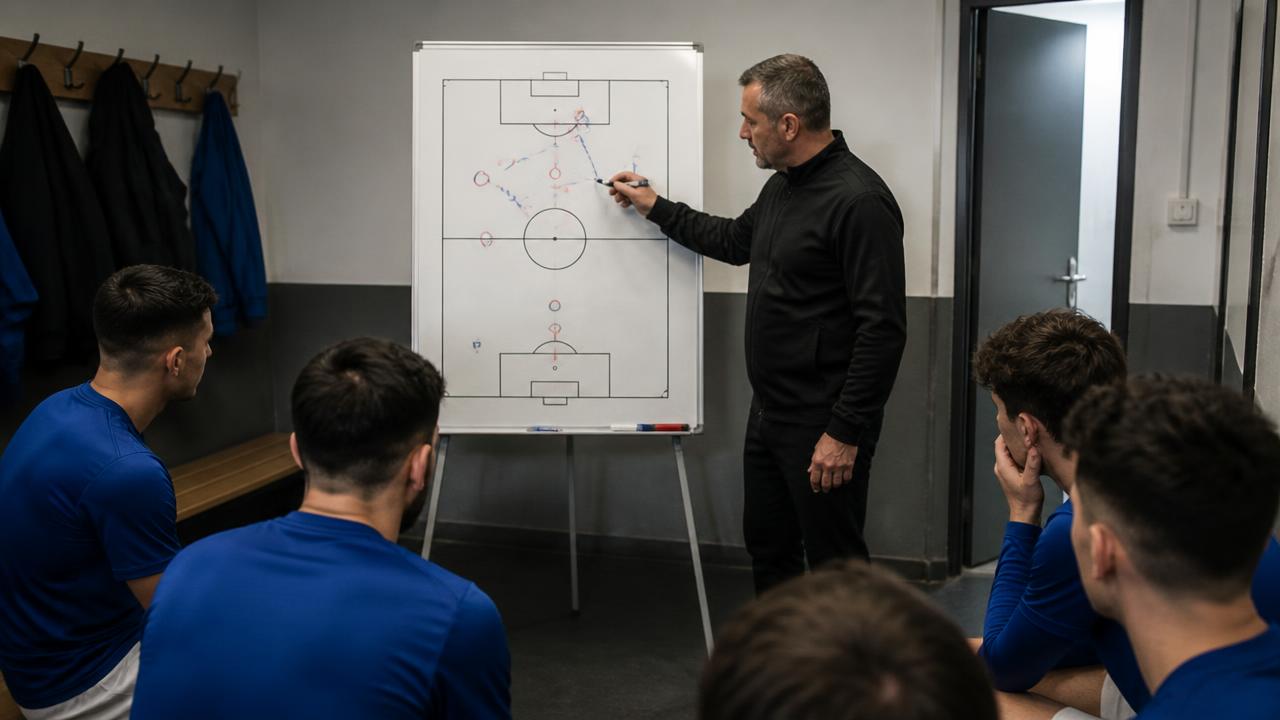
How the Dutch play-off tradition changes a season
Dutch football has long used end-of-season play-offs to decide European places and relegation. That format changes how clubs manage the final months.
Arena original · Analysis
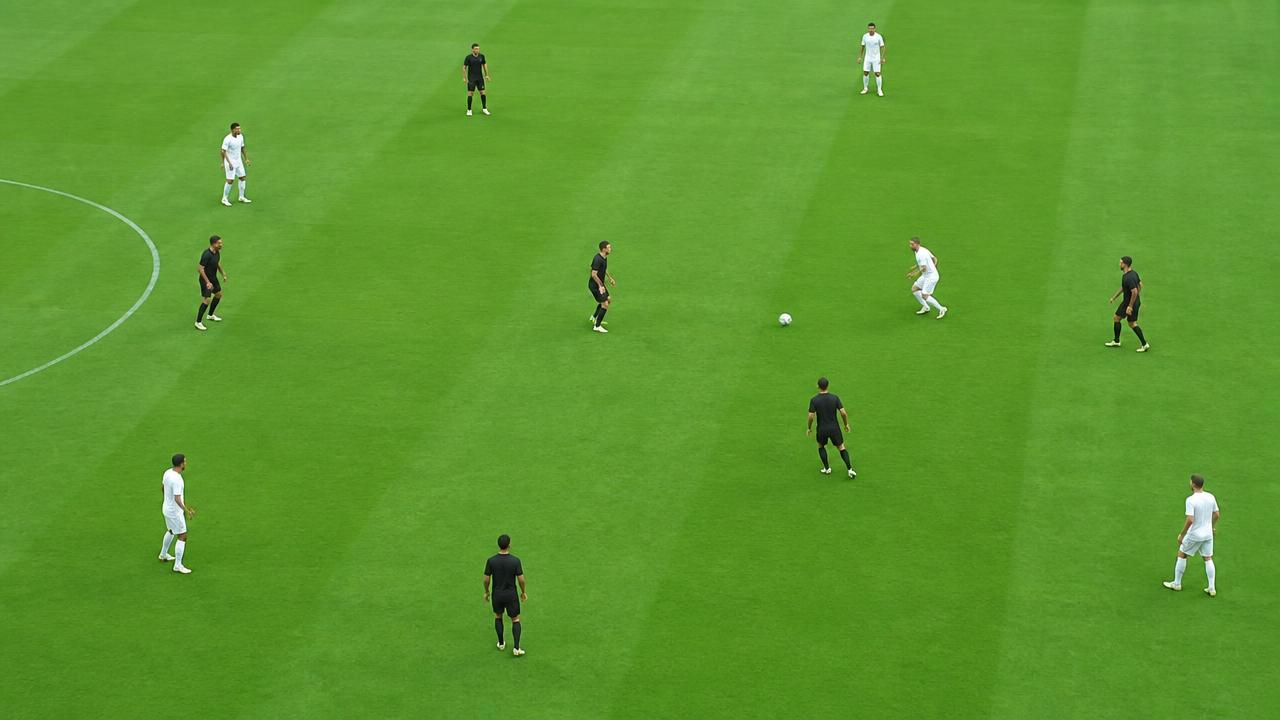
How Dutch teams defend by keeping the ball
Possession in Dutch football is often described as an attacking choice. It is at least as much a defensive one, and the structure behind it explains why.
Arena original · Analysis
Why Dutch squads turn over so quickly
A Dutch first eleven can change substantially in a single summer. That churn is a structural feature of the league rather than a series of accidents.
Arena original · Analysis
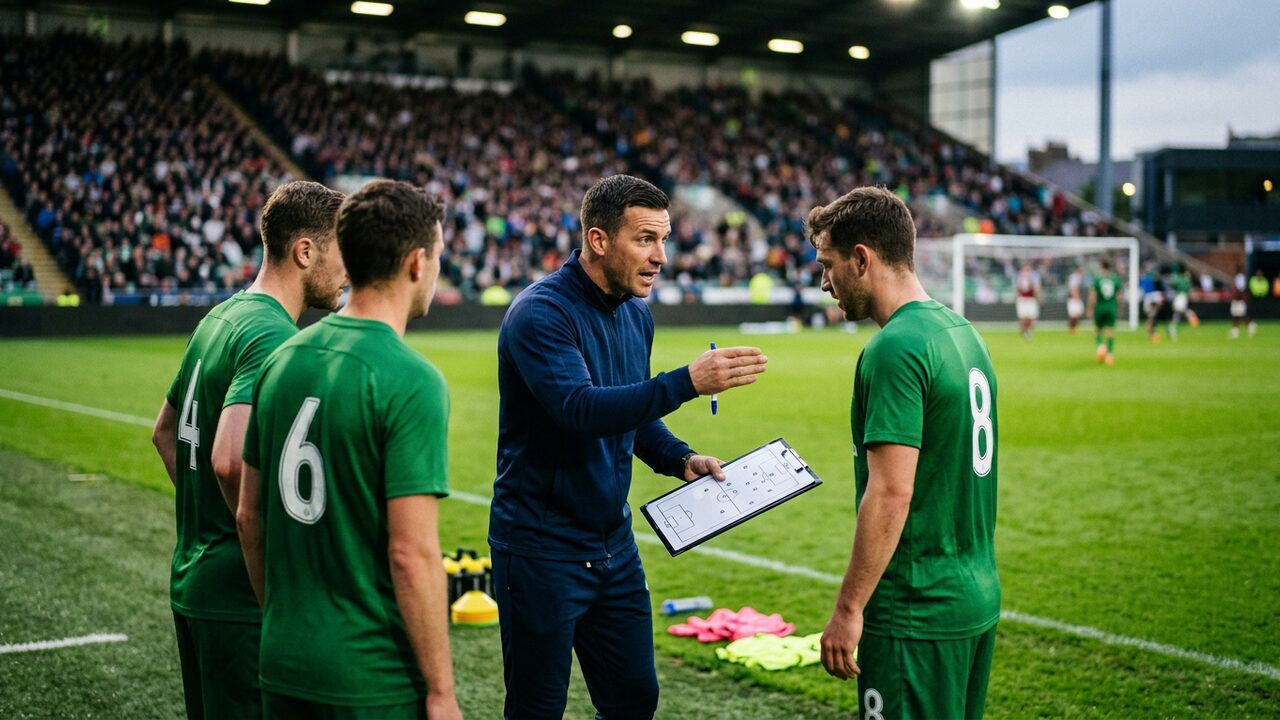
What coaching badges actually teach
The qualification pathway that produces professional coaches is less about tactics on a whiteboard than most outsiders assume.
Arena original · Analysis
The 50+1 rule and what it actually protects
German football's most discussed ownership regulation is often summarised in a sentence, but the reasoning behind it is more layered than that.
Arena original · Analysis
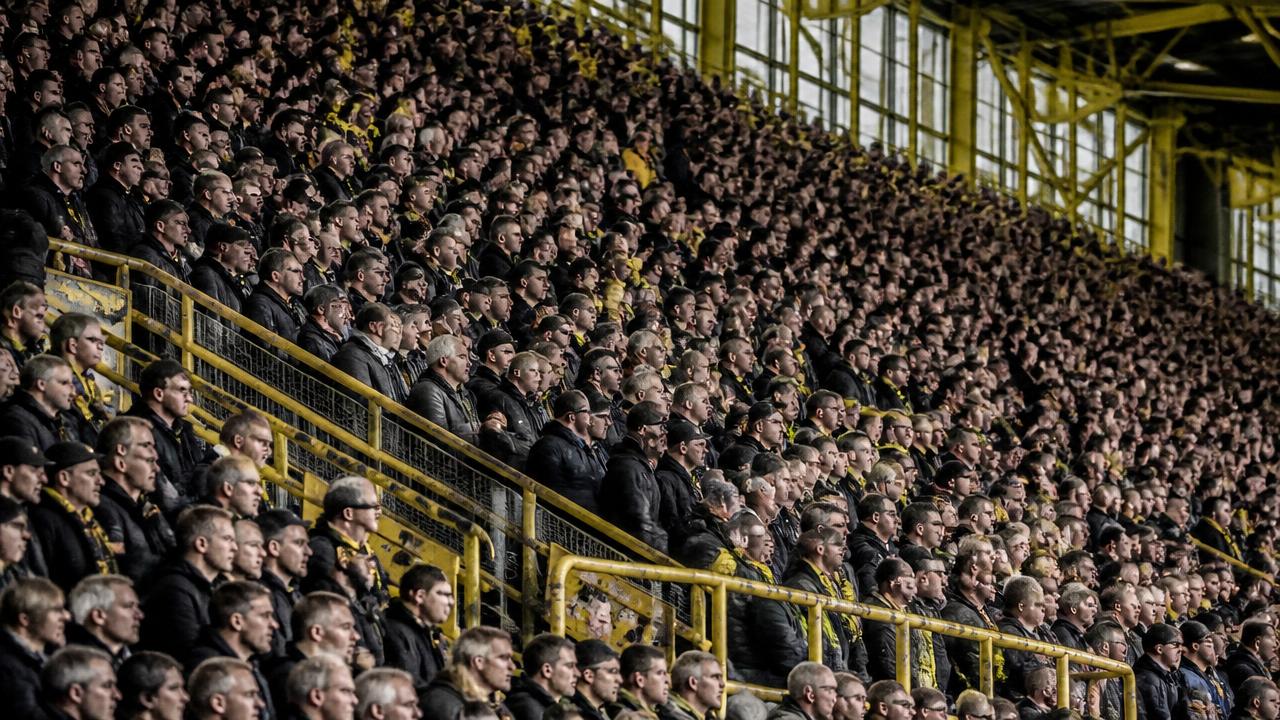
Why German stadiums keep standing terraces
Where much of European football moved entirely to all-seater stadiums, Germany kept a standing option, and the reasoning behind that choice still shapes matchday today.
Arena original · Analysis
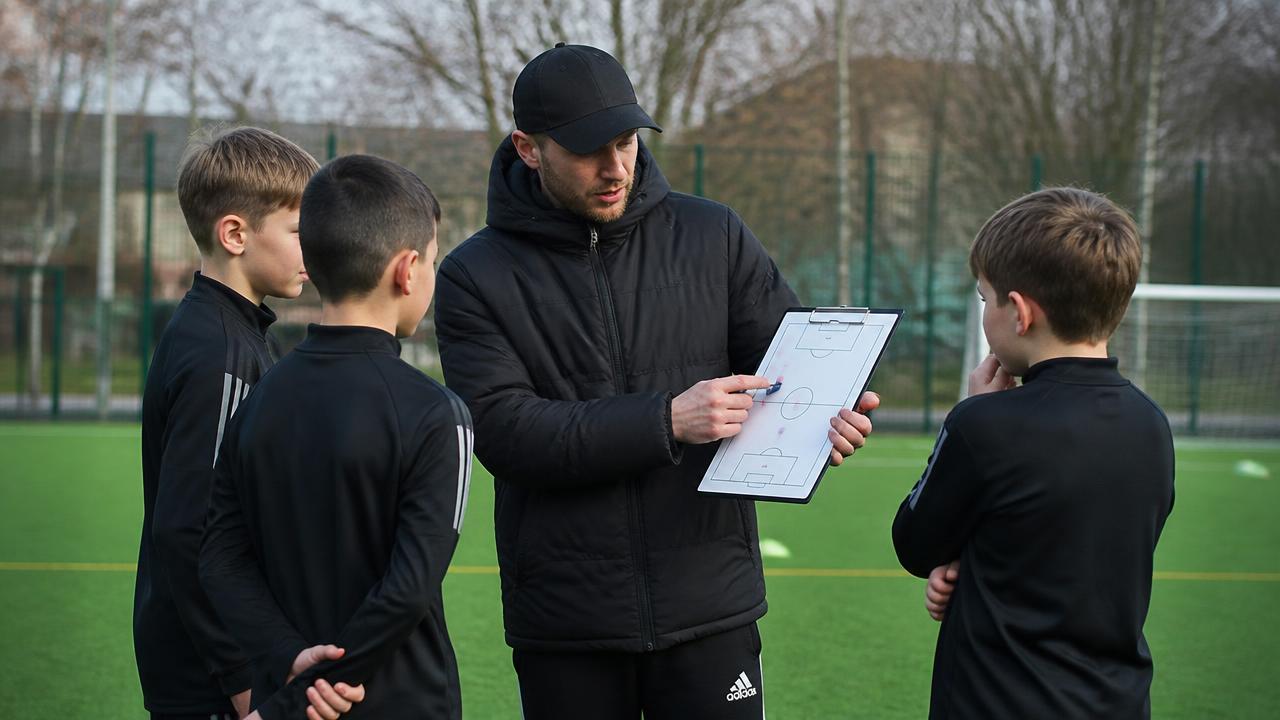
The German approach to youth coach certification
A rigorous, standardised coaching qualification system shapes what young players are actually taught long before any of them reach senior football.
Arena original · Analysis
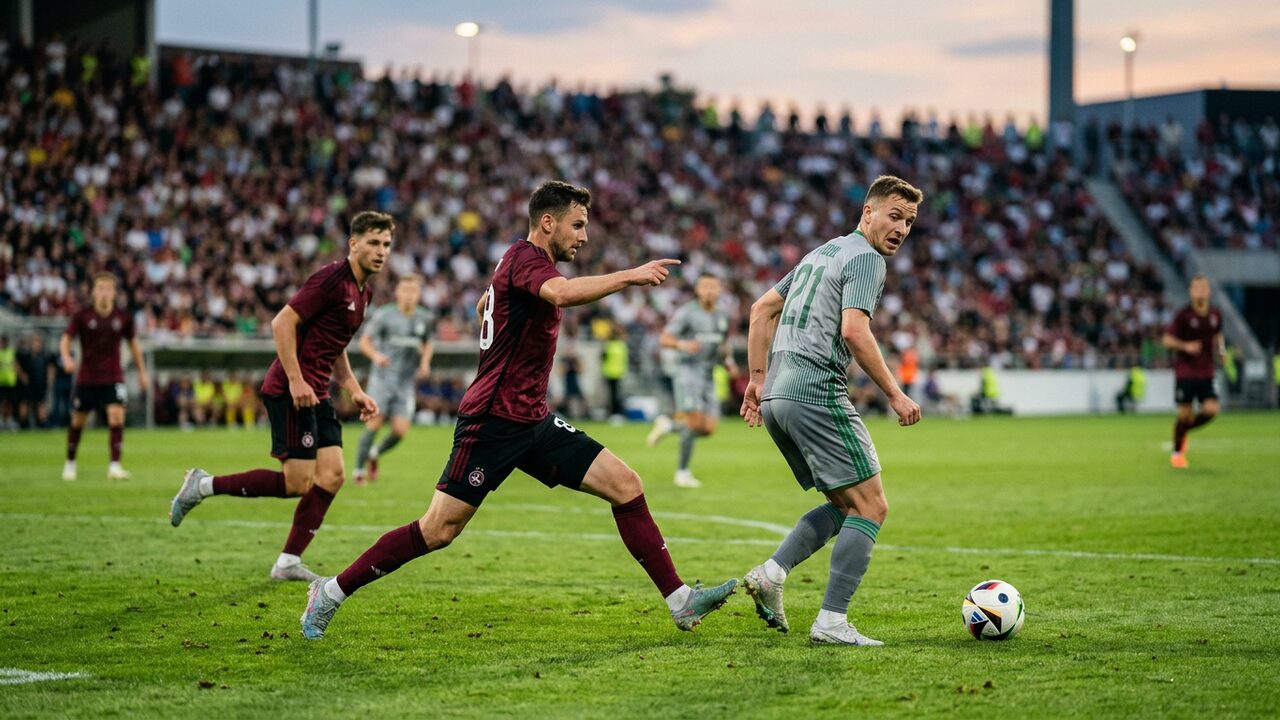
Why pressing needs a trigger, not just effort
A high press is not simply running hard at the opposition; it is a coordinated response to a specific, agreed cue.
Arena original · Analysis
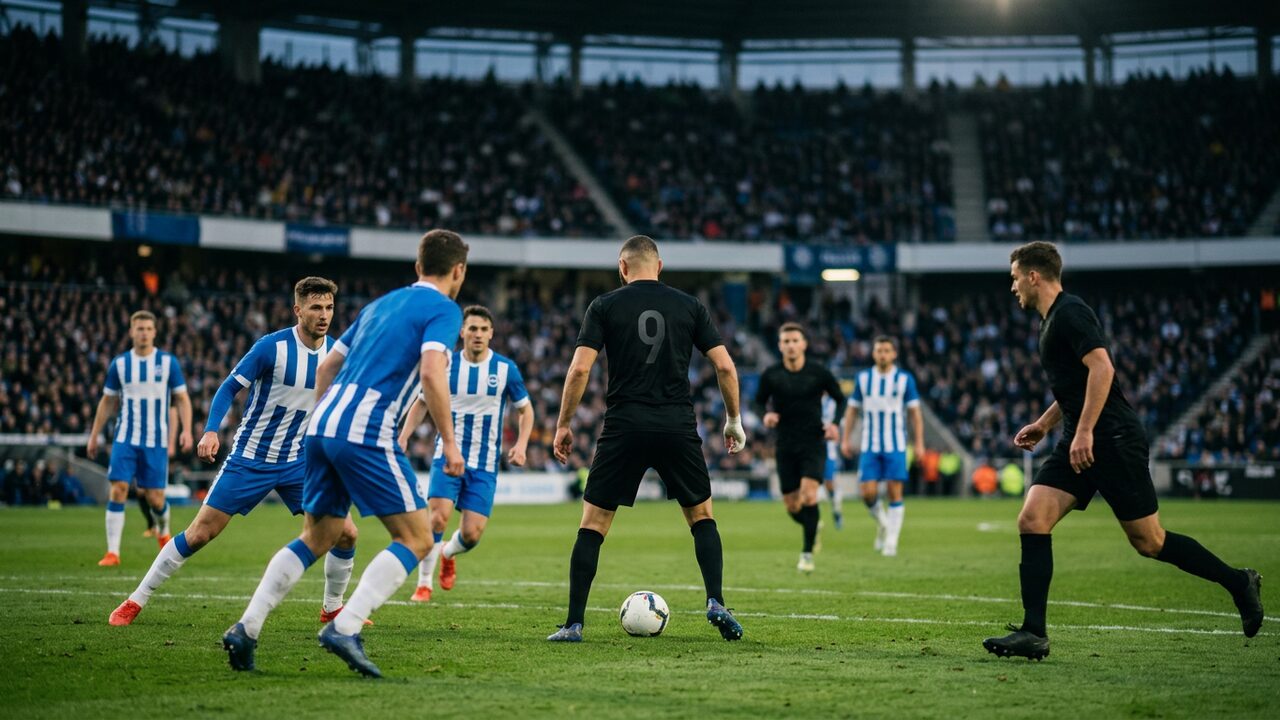
The false nine, explained without the jargon
A striker who drops deep is not avoiding the job of scoring; they are trying to drag a defender somewhere they do not want to go.
Arena original · Analysis
Why the Premier League plays through Christmas
The festive fixture pile-up looks chaotic from outside English football, but it is a tradition with its own internal logic.
Arena original · Analysis
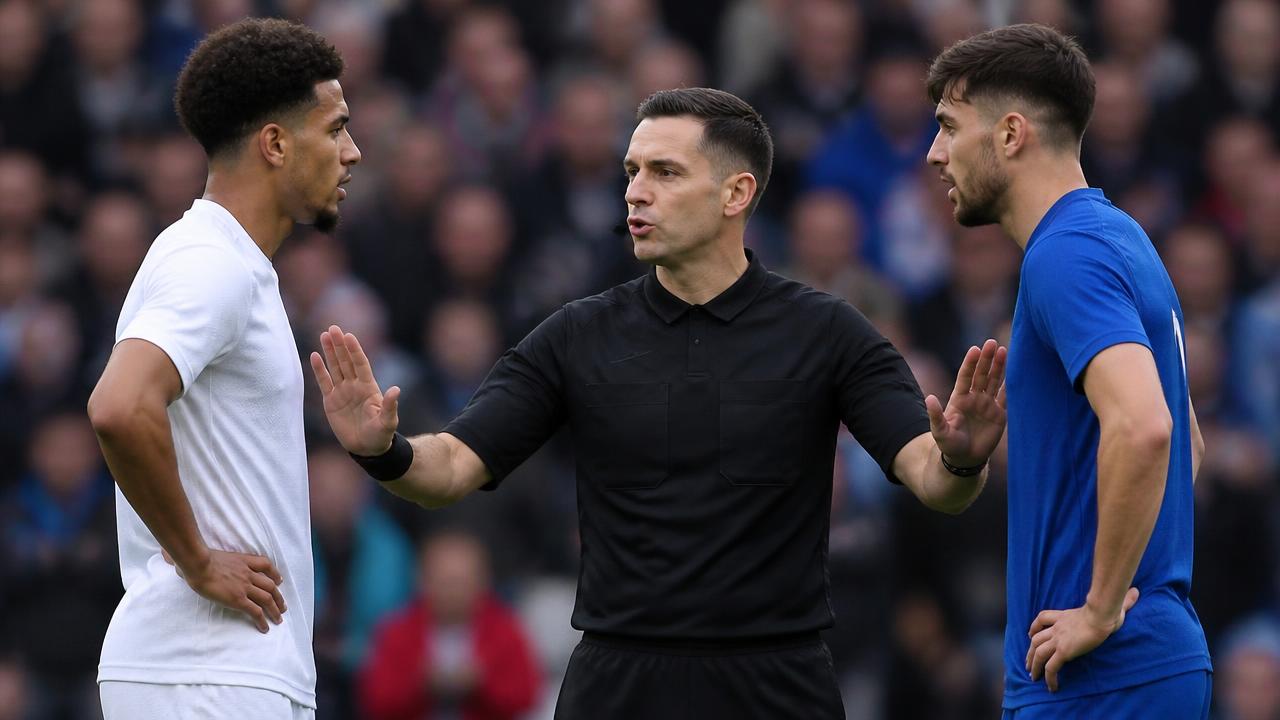
The referee as a manager of conflict, not just a rule-enforcer
The best refereeing performances are rarely about perfect decisions; they are about controlling a game before it needs a decision at all.
Arena original · Analysis
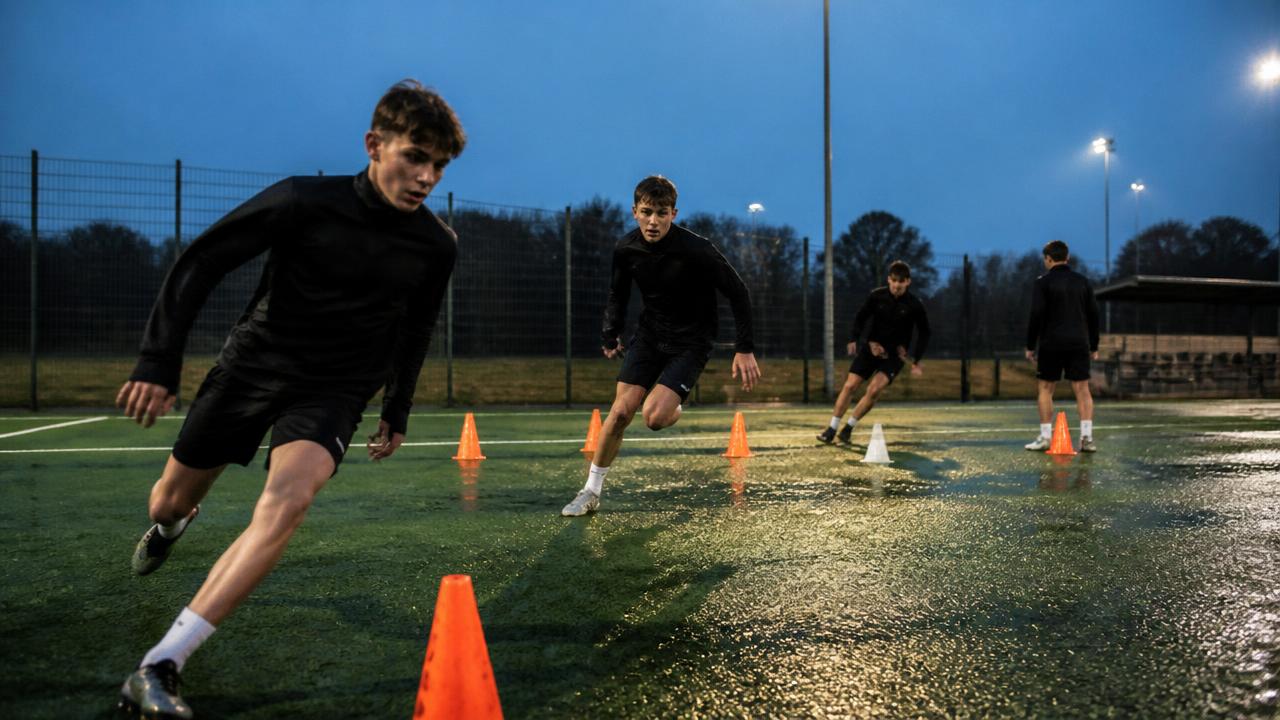
How English academies balance physicality and technique
English youth football has spent two decades correcting an old bias toward size and running power, without abandoning what made it distinctive.
Arena original · Analysis
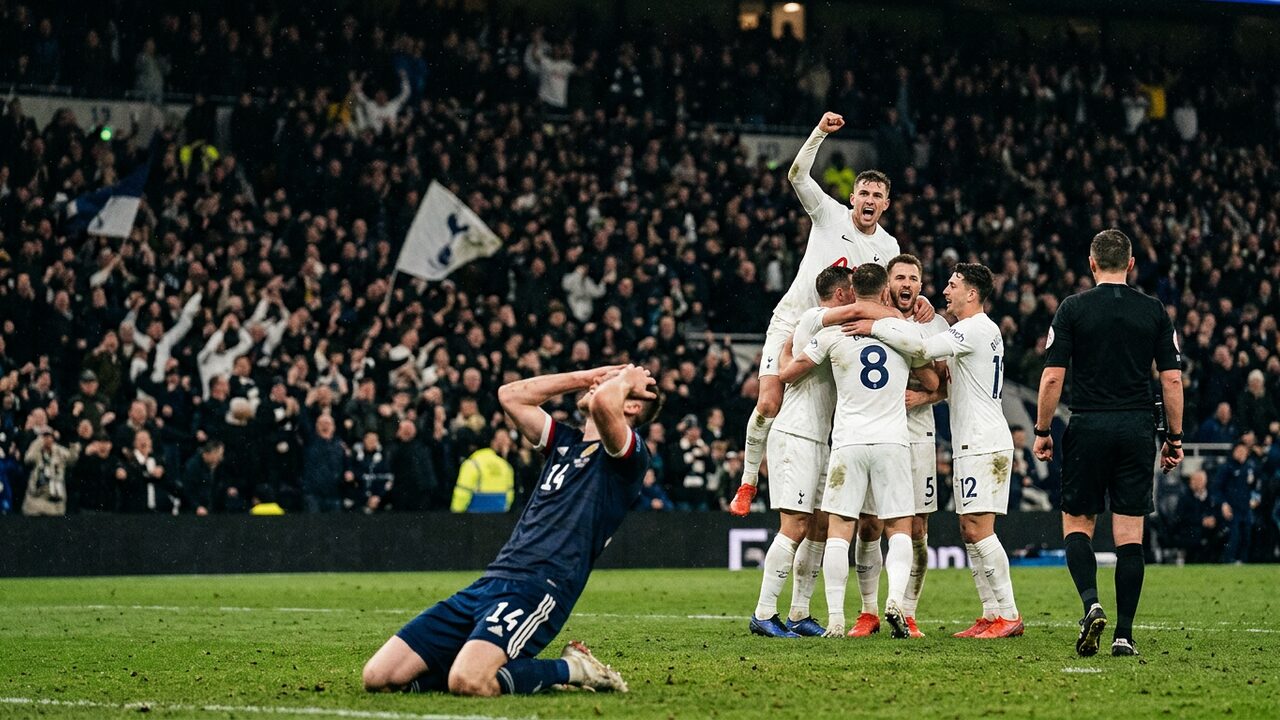
Why cup football plays differently to the league
A single knockout match rewards a different set of virtues than a long league campaign, and teams built for one often struggle in the other.

Arena original · Analysis
The economics of promotion
Reaching a higher division changes a club's finances so abruptly that the football itself is often the smaller part of the story.
Arena original · Analysis
La Masia and the idea of a house style
The most influential thing a famous academy produces is not any single player but a shared footballing language everyone there learns.
Arena original · Analysis
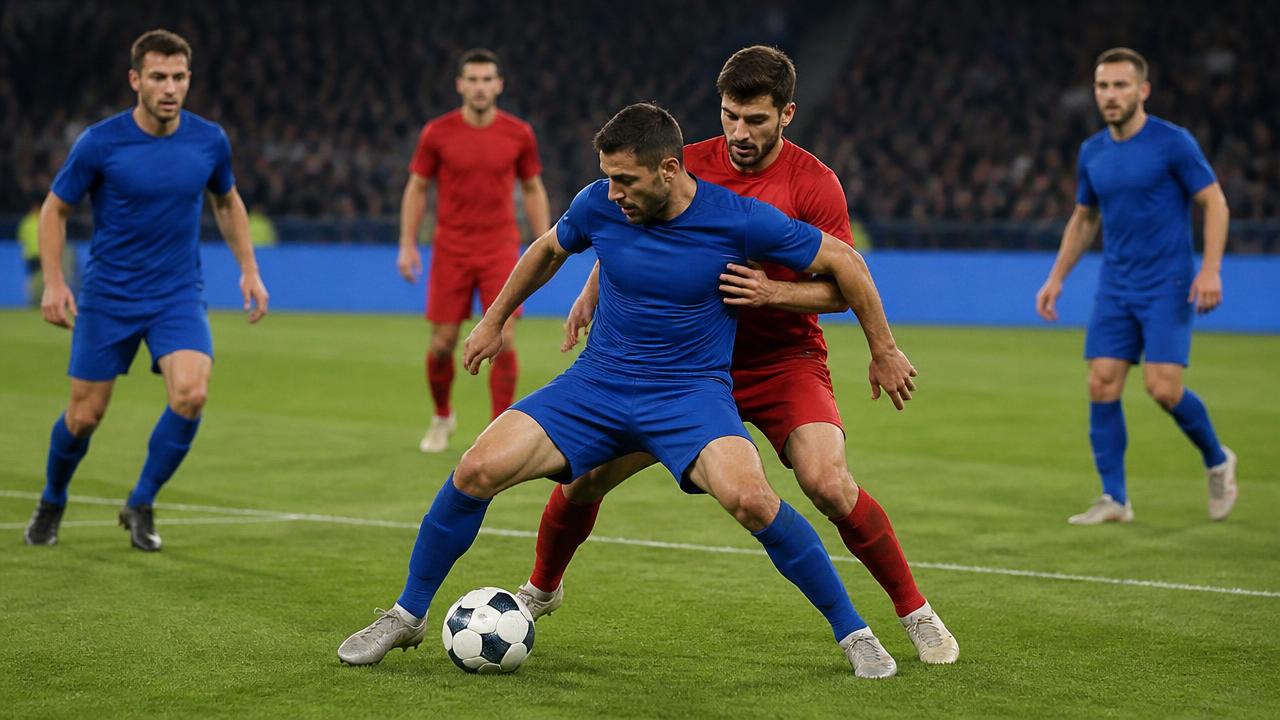
Why Spanish football treats possession as a defensive tool
Keeping the ball is often discussed as an attacking philosophy, but in Spain it has always carried an equally strong defensive logic.
Arena original · Analysis
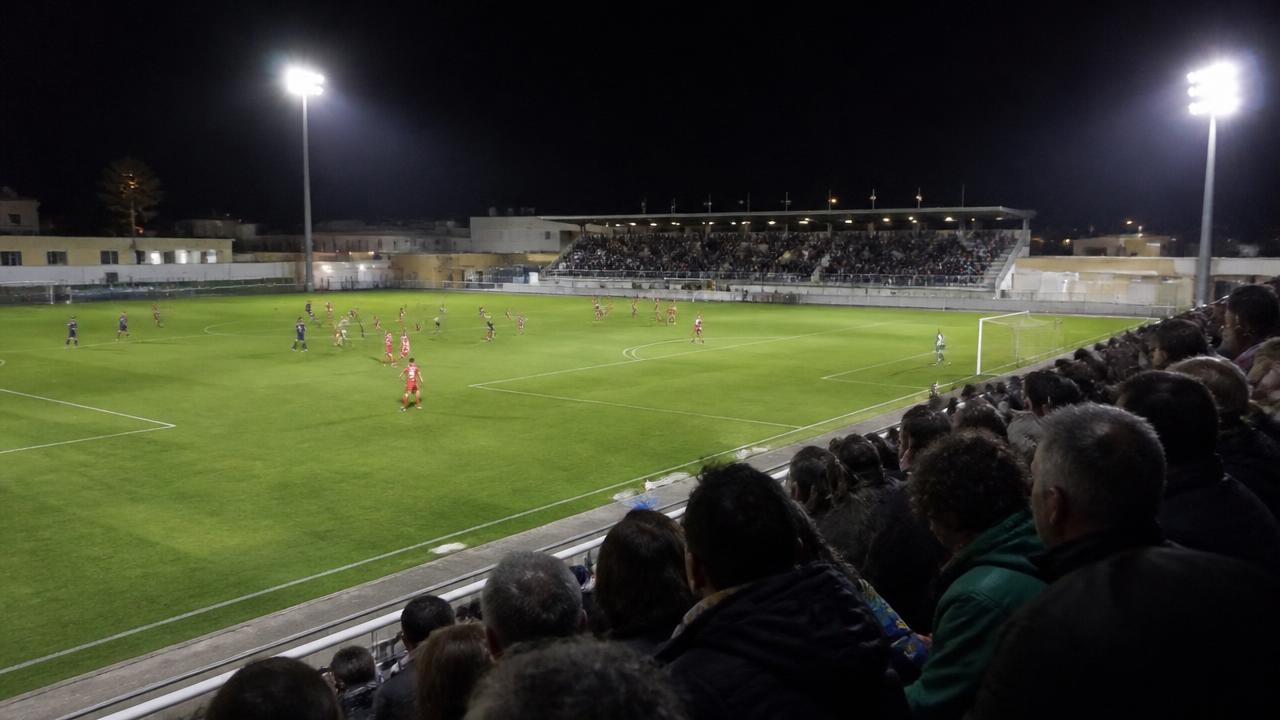
The Copa del Rey and why cup upsets still matter to a big league
A domestic cup gives smaller clubs a rare structural chance to meet the biggest names on something closer to equal terms.
Arena original · Analysis
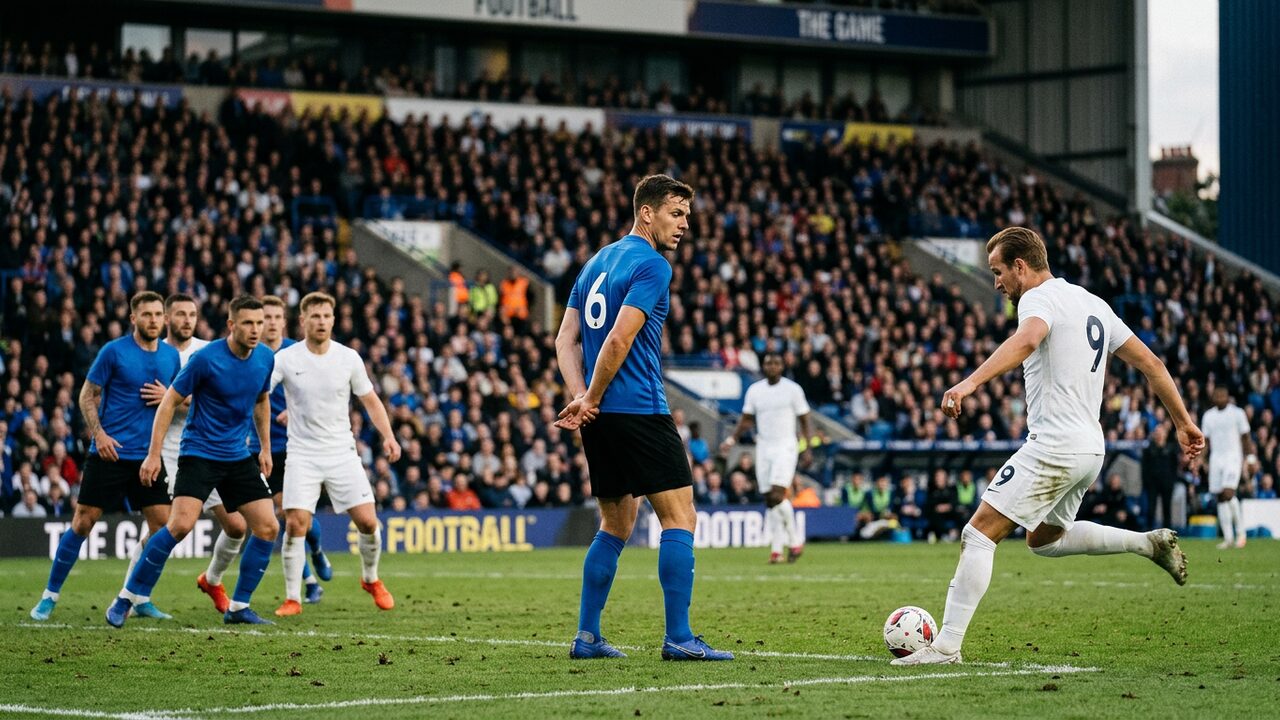
How VAR quietly changed the way defenders defend
The most significant tactical effect of video review may not be the decisions it overturns but the habits it has trained into defenders.
Arena original · Analysis
Why two-legged ties reward patience over urgency
A single knockout match forces immediate risk; two legs change the entire calculation of when a team should take one.

Arena original · Analysis
How seeding shapes a European campaign before a ball is kicked
The draw is treated as a formality by broadcasters, but its structure quietly decides how much margin for error a club actually has.
Arena original · Analysis
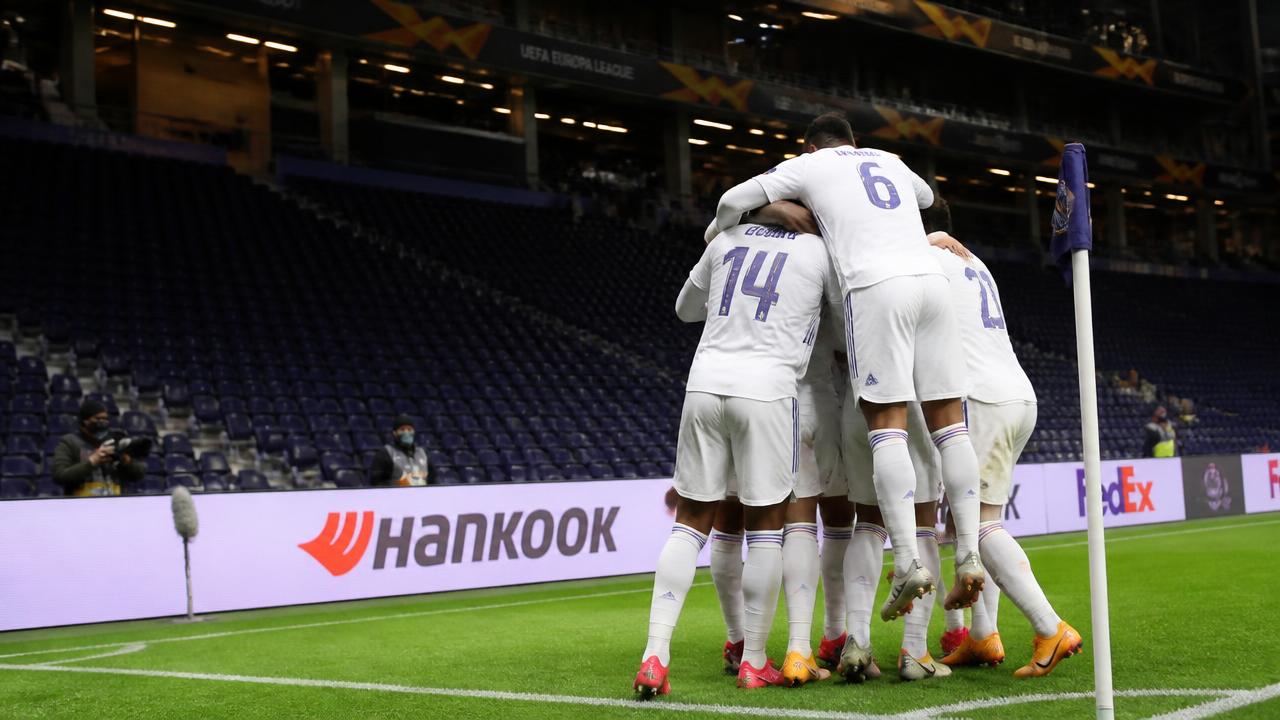
The away-goal mentality that refuses to die
The rule itself has gone, but the habits of mind it created still influence how teams approach playing away from home in Europe.
Arena original · Analysis
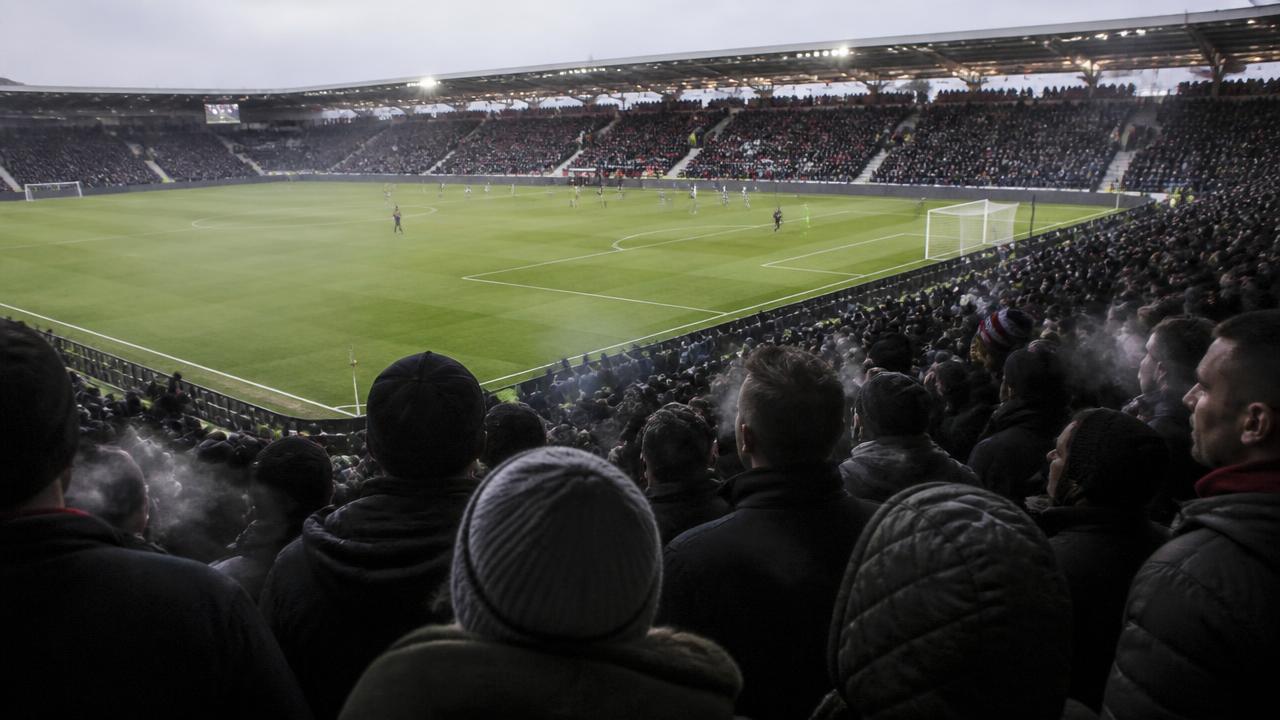
Why Germany's second tier is so hard to escape
The division contains former champions, large stadiums and serious budgets. That combination makes promotion a genuinely difficult project rather than a formality for big names.
Arena original · Analysis
How relegation reshapes a squad
Going down forces a club to rebuild under time pressure, with a smaller budget and a dressing room that has just failed. The order in which those problems are addressed decides the next two seasons.
Arena original · Analysis
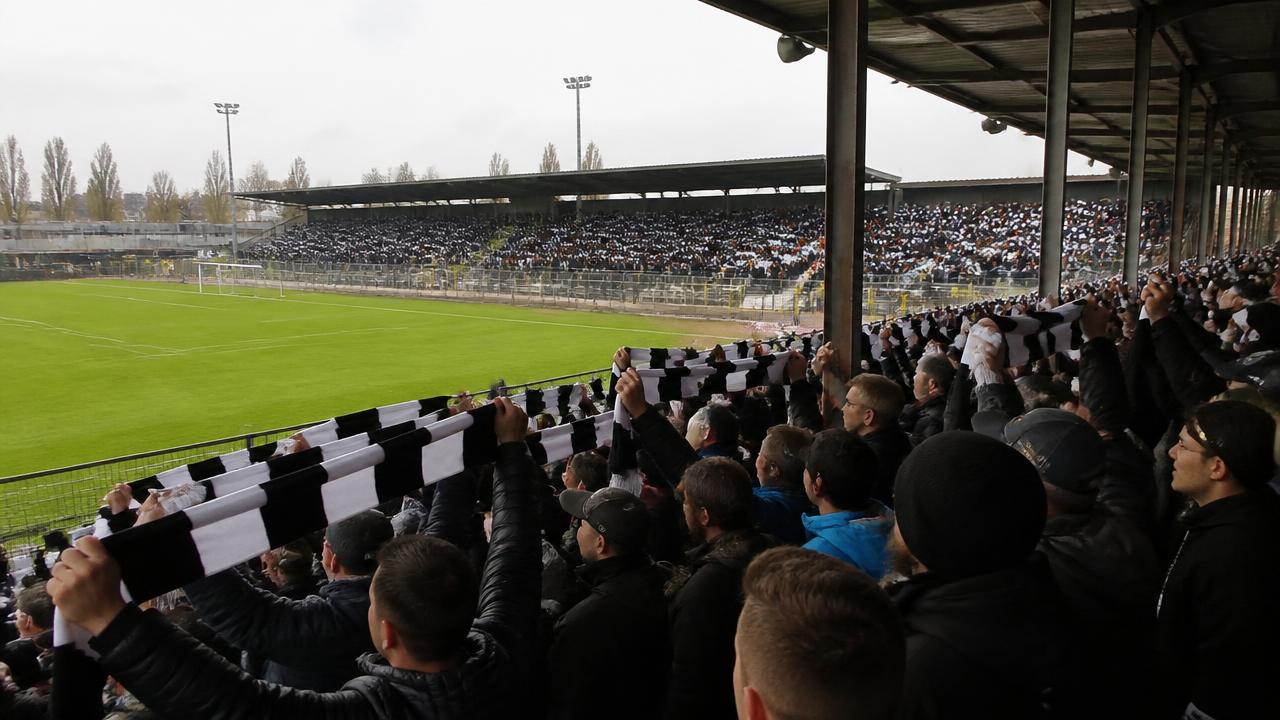
How second-tier squads are assembled on a budget
A second-division squad is built from four kinds of player, and knowing which is which tells you a lot about how a season will go.

Arena original · Analysis
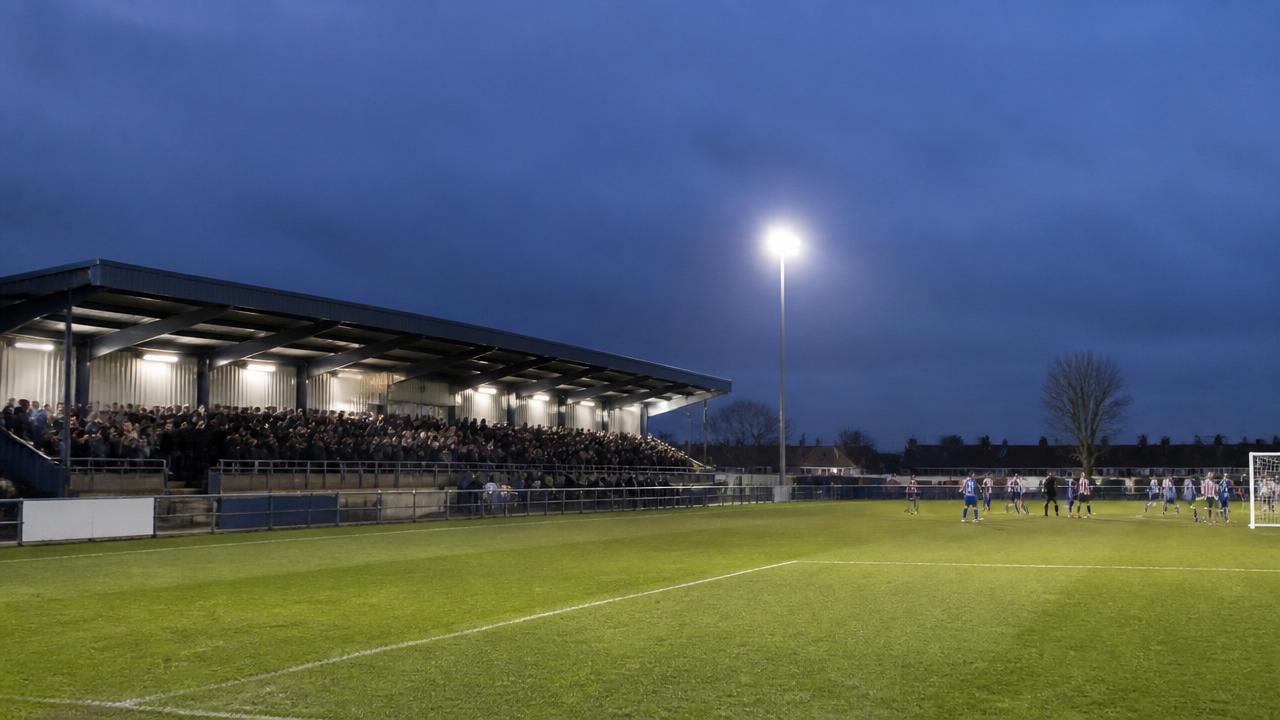
Why promoted clubs struggle to stay up
Promotion is celebrated as an arrival and functions as a problem. The squad that won a division is rarely the squad that can survive the one above it.
Arena original · Analysis
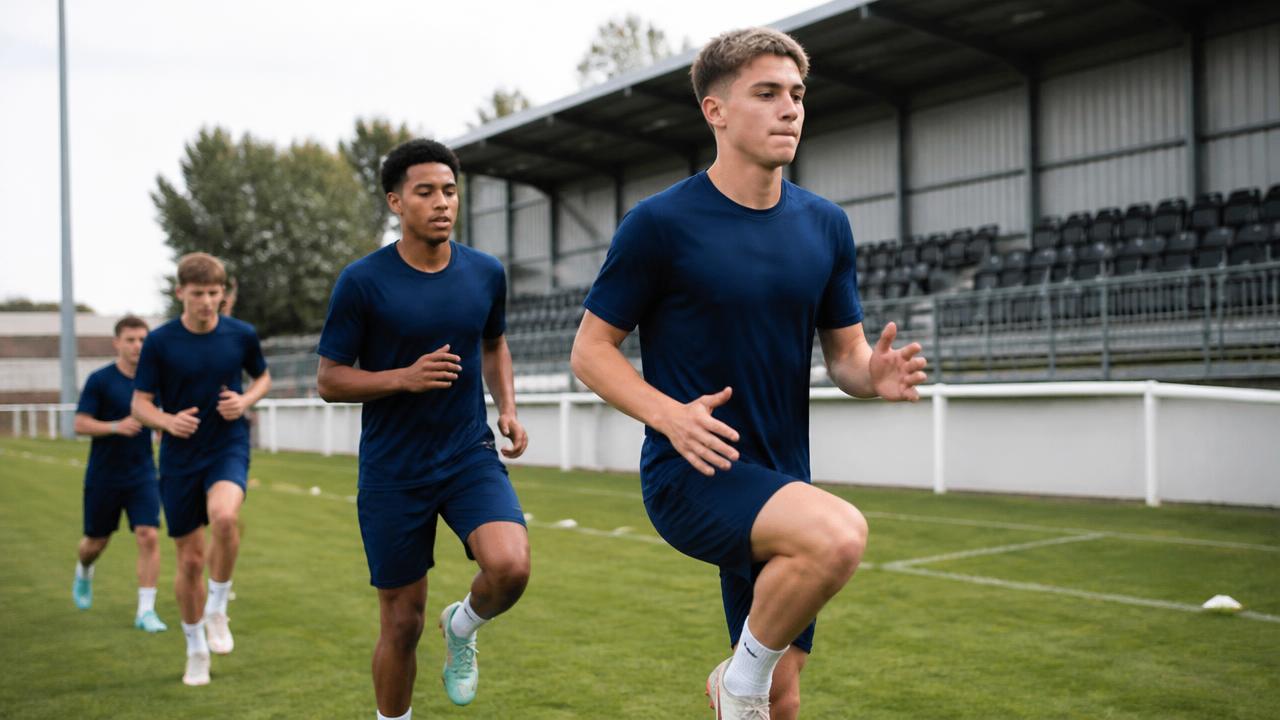
How a national third division works
Germany's third tier is a single nationwide league rather than regional groups, and that decision shapes travel, costs and the kind of club that can survive there.
Arena original · Analysis
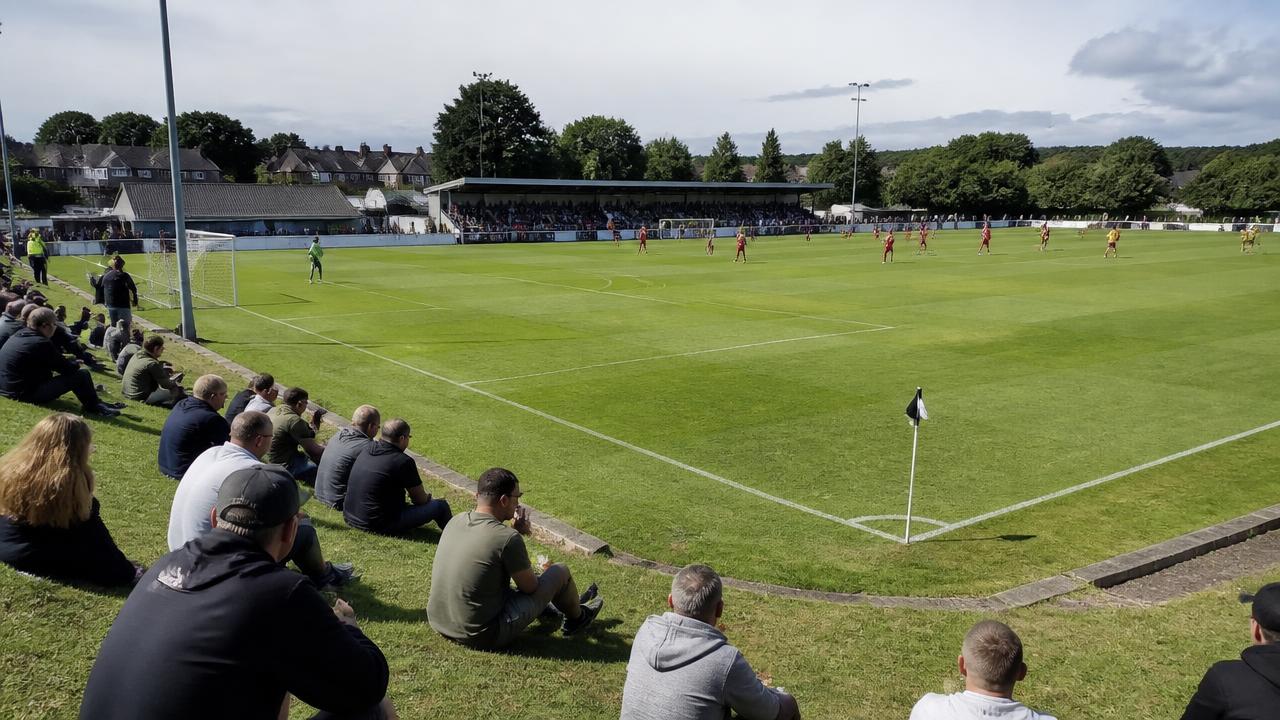
Reserve teams in the third tier, and the argument about them
Allowing big clubs' second teams into a professional division helps young players and irritates almost everyone else. Both reactions are reasonable.
Arena original · Analysis
How third-tier clubs survive financially
A national third division sits at the point where football stops being lucrative and starts being an operation. Survival depends on four or five ordinary income lines.

Arena original · Analysis
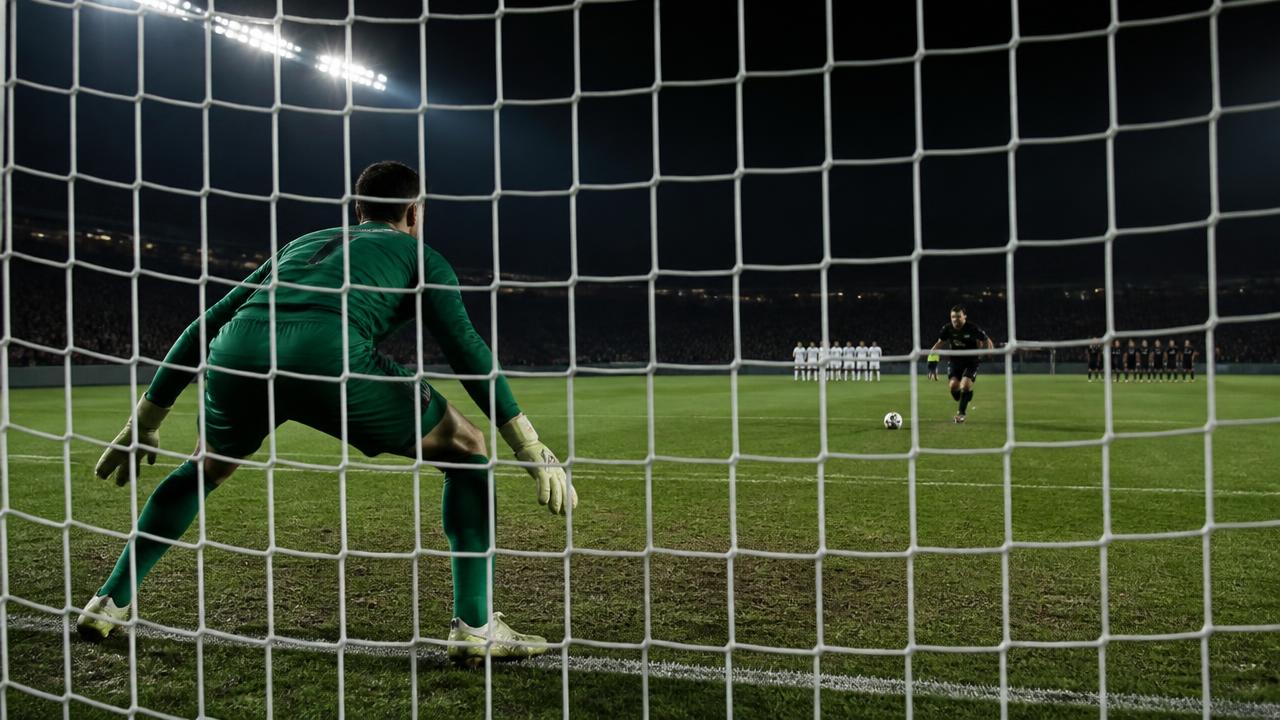
Why licensing rules decide third-tier seasons
In the lower professional divisions, some of the most important results of a season are administrative. A licence refused in spring can undo everything won on the pitch.
Arena original · Analysis
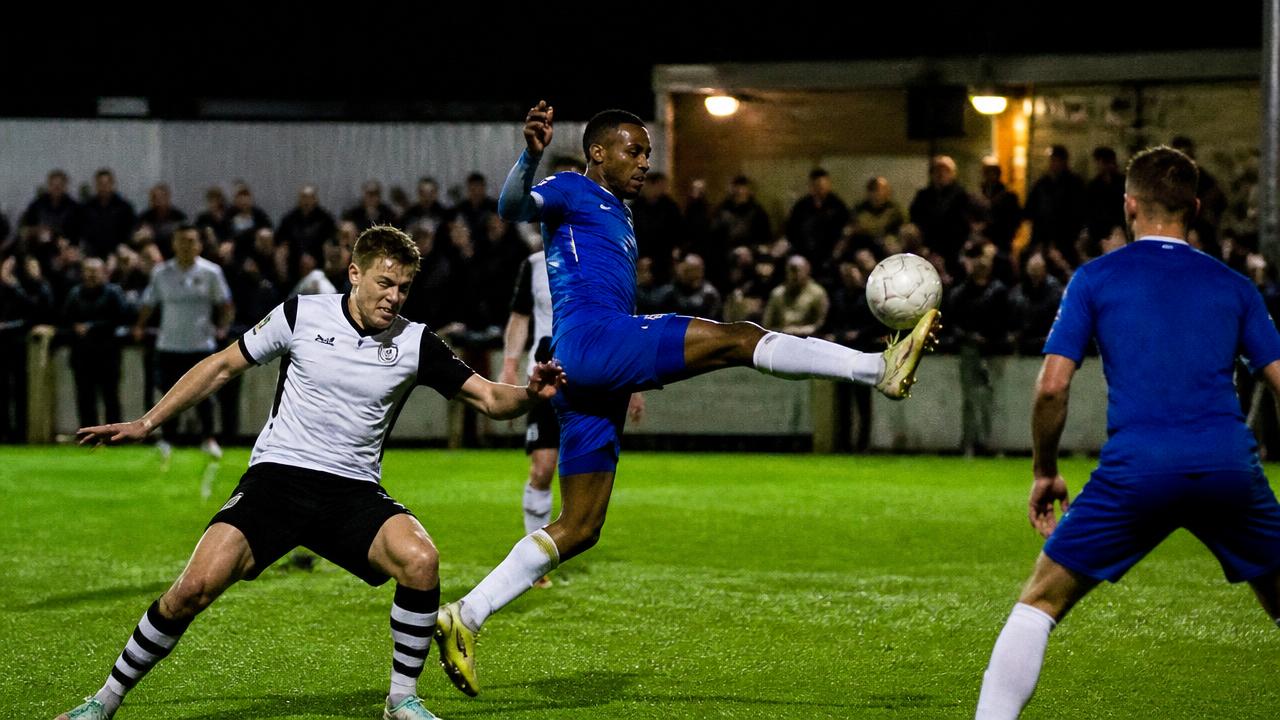
Why single-leg cup football rewards different teams
One match, one venue, no second chance. The German cup format changes which qualities matter and why favourites lose more often than the gap in quality suggests.
Arena original · Analysis
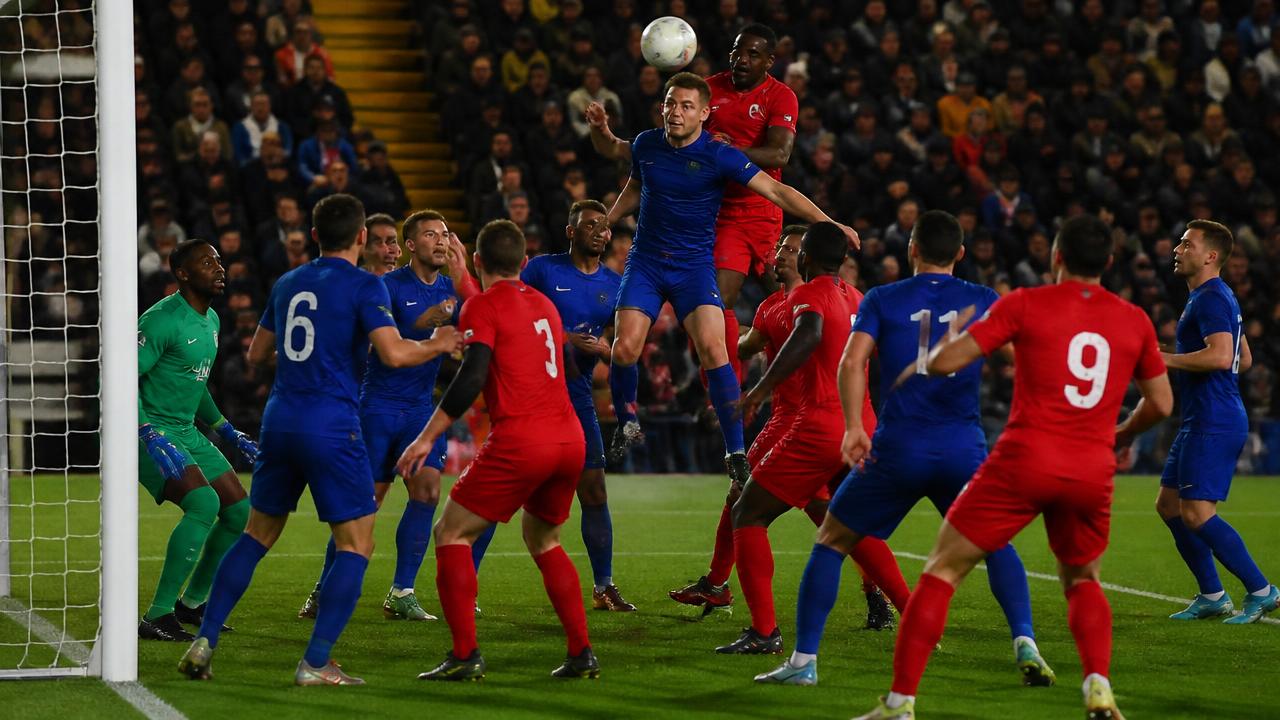
How a cup draw protects smaller clubs
Cup formats are designed, not neutral. Home advantage for lower-division clubs and regional entry places are deliberate choices with predictable effects.
Arena original · Analysis
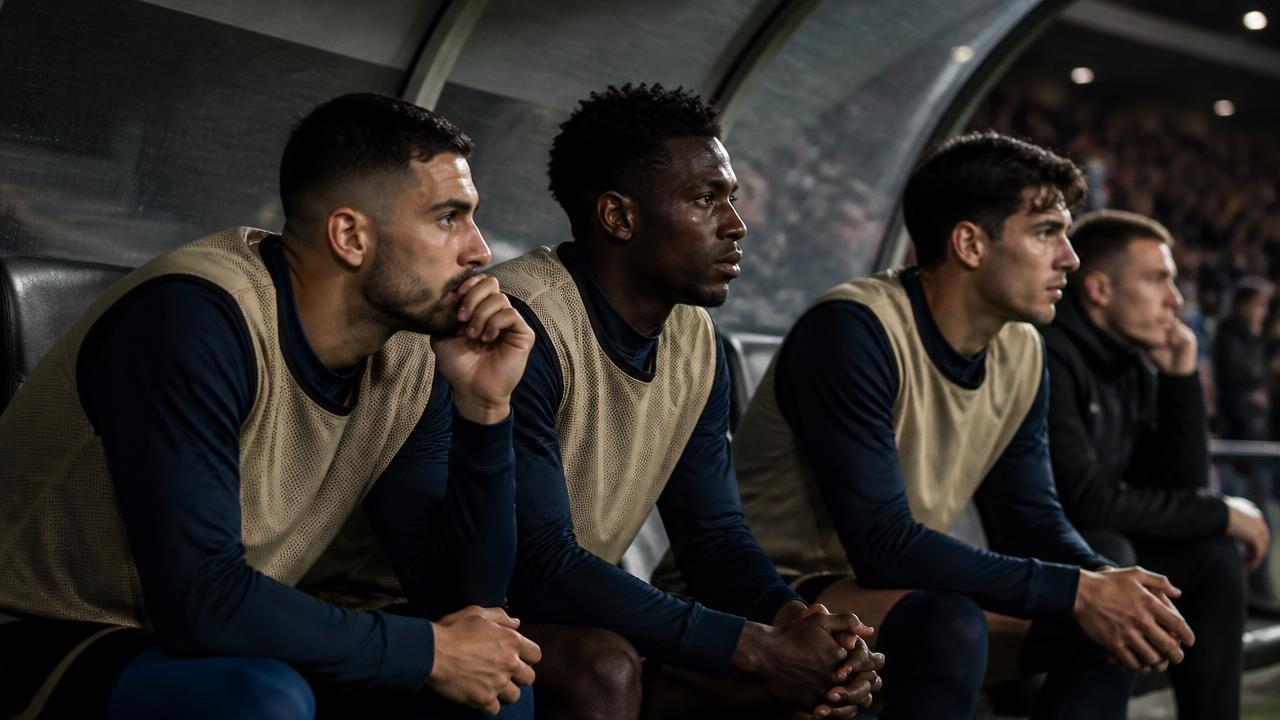
How cup tactics differ from league tactics
One match, no second leg, no next week. Knockout football changes the arithmetic of risk, and good coaches change their plans with it.
Arena original · Analysis
Why rotation decides cup runs
Cup exits are usually explained by attitude. More often they are explained by a team selection made three days earlier with a different fixture in mind.